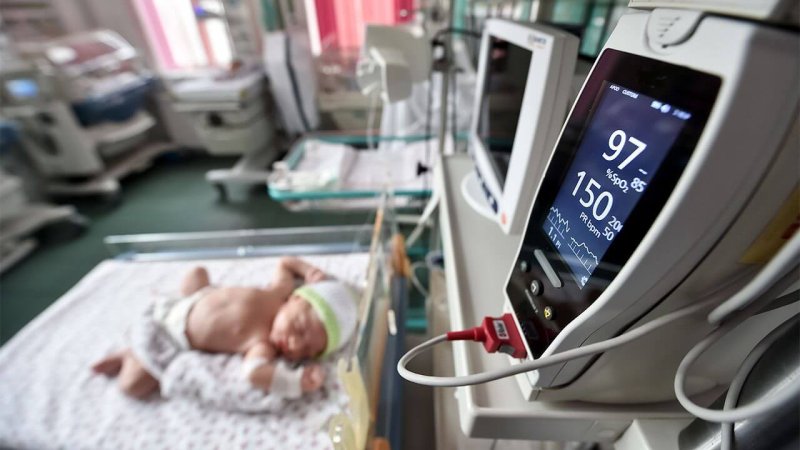
Are we ready for the ethical issues surrounding newborn genetic screening?

cc babyseq x
Image credit: Uzfoto/Shutterstock

In the not-too-distant future, it will be possible to get a complete readout of a person’s genetics with ease, even right after they’re born. A new study published [January 3] offers a glimpse of what that future could look like, suggesting many children are born with genetic conditions that can’t be found with current screening. But the study also raises important ethical questions about how best to handle the predictions these tests will provide families and their doctors.

The more than 300 families who volunteered for the BabySeq Project were randomly assigned to two groups. Those in the control group would get the same sort of usual care, including standard genetic screening for the newborns and genetic counseling for caretakers with a family history of genetic disease. Newborns in the second group would get all that and also have their DNA sequenced in whole.

Of the 159 babies who received genetic sequencing, 15 (9.4 percent) were found to have mutations that raised their risk of health conditions likely to show up before they turned 18. These conditions included an enlarged heart, hearing loss, or severe kidney disease.

Leaving health aside, should parents be able to know about the potential traits of their children even before they’re delivered out into the world? And if so, should they be allowed to act on it?

Read full, original post: Sequencing the DNA of Newborns Uncovered Hidden Disease Risks and a Whole Lot of Tricky Issues

{{ reviewsTotal }}{{ options.labels.singularReviewCountLabel }}
{{ reviewsTotal }}{{ options.labels.pluralReviewCountLabel }}
{{ options.labels.newReviewButton }}
{{ userData.canReview.message }}

Related Articles

Infographic: Global regulatory and health research agencies on whether glyphosate causes cancer

Infographic: Global regulatory and health research agencies on whether glyphosate causes cancer

Does glyphosate—the world's most heavily-used herbicide—pose serious harm to humans? Is it carcinogenic? Those issues are of both legal and ...

Most Popular

ChatGPT Image Jun 3, 2026, 03_14_43 PM
Viewpoint: How Earthjustice became the poster child for the abuse of special interest activist funding
ChatGPT Image Jun 3, 2026, 03_54_37 PM
Viewpoint: “Turn on, tune in, drop out”—Kennedy embraces the Timothy Leary psychedelic revolution
ChatGPT-Image-Jun-11-2026-01_15_03-PM
Selective Pressure, Selective Silence
Screenshot-2026-06-05-at-2.12.30-PM
Some plants can poison you. So how did humans figure out what is safe to eat?
Screenshot 2026-05-26 at 10.15
Viewpoint: Double standard—Why does the wellness industry get a free pass while Big Healthcare is treated as morally suspect?
Screenshot-2026-06-03-at-1.24.46-PM
Challenging anti-GMO disinformation: Why genetically-tweaked crops offer bushels of benefits
ChatGPT Image May 28, 2026, 08_16_38 PM
Viewpoint: Why the EPA mismeasures cancer risk of chemicals and what should be done to fix it
ChatGPT Image Jun 1, 2026, 11_39_17 AM
Viewpoint: When food myths go viral, farmers pay the price
ChatGPT Image May 26, 2026, 08_42_17 AM (1)
Viewpoint: Greenpeace and poison: How environmental advocacy groups rely on compliant (and often ignorant) journalists to spread disinformation and spark litigation

Sorry. No data so far.

glp menu logo outlined

Get news on human & agricultural genetics and biotechnology delivered to your inbox.