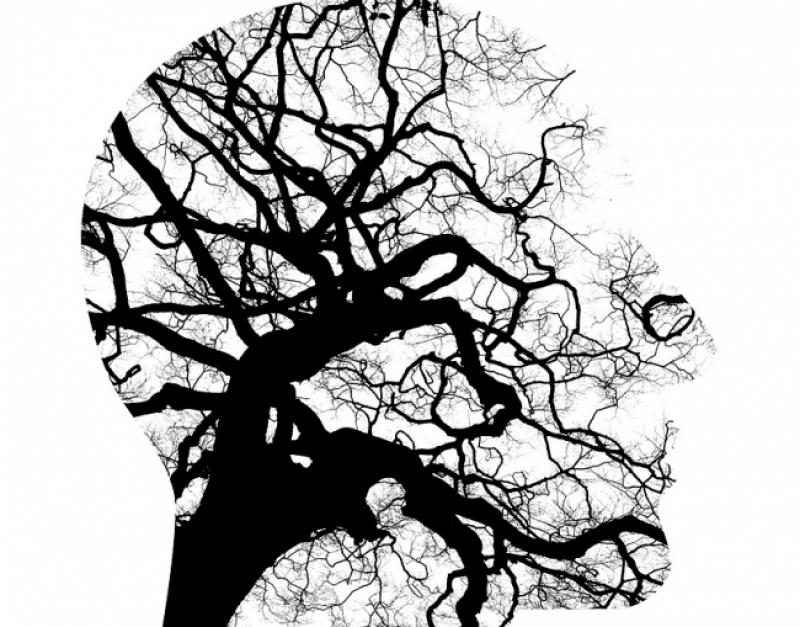
Vulnerability to mental illness may have given humans an evolutionary advantage

screenshot e

Nearly one in five Americans currently suffers from a mental illness, and roughly half of us will be diagnosed with one at some point in our lives. Yet, these occurrences may have nothing to do with a genetic flaw or a traumatic event.

Randolph Nesse, a professor of life sciences at Arizona State University, attributes high rates of psychiatric disorders to natural selection operating on our genes without paying heed to our emotional well-being. Whatโ€™s more, the selective processes took place thousands of years before the unique stresses of modern urban existence, leading to a mismatch between our current environment and the one for which we were adapted.

In his new book, Good Reasons for Bad Feelings: Insights from the Frontier of Evolutionary Psychiatry, Nesse recruits the framework of evolutionary medicine to make a case for why psychiatric disorders persist despite their debilitating consequences. Some conditions, like depression and anxiety, may have developed from normal, advantageous emotions. Others, such as schizophrenia or bipolar disorder, result from genetic mutations that may have been beneficial in less extreme manifestations of a trait.

Read full, original post:ย Susceptibility to Mental Illness May Have Helped Humans Adapt over the Millennia

{{ reviewsTotal }}{{ options.labels.singularReviewCountLabel }}
{{ reviewsTotal }}{{ options.labels.pluralReviewCountLabel }}
{{ options.labels.newReviewButton }}
{{ userData.canReview.message }}

Related Articles

Infographic: Global regulatory and health research agencies on whether glyphosate causes cancer

Infographic: Global regulatory and health research agencies on whether glyphosate causes cancer

Does glyphosateโ€”the world's most heavily-used herbicideโ€”pose serious harm to humans? Is it carcinogenic? Those issues are of both legal and ...

Most Popular

ChatGPT Image Jun 3, 2026, 03_54_37 PM
Viewpoint: โ€œTurn on, tune in, drop outโ€โ€”Kennedy embraces the Timothy Leary psychedelic revolution
ChatGPT-Image-Jun-11-2026-01_15_03-PM
Selective Pressure, Selective Silence
ChatGPT Image Jun 3, 2026, 03_14_43 PM
Viewpoint: How Earthjustice became the poster child for the abuse of special interest activist funding
Screenshot-2026-06-05-at-2.12.30-PM
Some plants can poison you. So how did humans figure out what is safe to eat?
ChatGPT Image Jun 1, 2026, 11_39_17 AM
Viewpoint: When food myths go viral, farmers pay the price
Screenshot-2026-06-11-at-3.40.06-PM
'Toxin' detox: A gastroenterologist weighs in on $71 billion health trend
Screenshot-2026-06-03-at-1.24.46-PM
Challenging anti-GMO disinformation: Why genetically-tweaked crops offer bushels of benefits
Screenshot-2026-06-11-at-4.00.17-PM
Gen Z burned by sunscreen misinformation and tanning myths
ChatGPT Image May 26, 2026, 08_42_17 AM (1)
Viewpoint: Greenpeace and poison: How environmental advocacy groups rely on compliant (and often ignorant) journalists to spread disinformation and spark litigation

Sorry. No data so far.

glp menu logo outlined

Get news on human & agricultural genetics and biotechnology delivered to your inbox.