‘Crystal ball’ for disease? Genetic tests could predict risk of Alzheimer’s, heart disease, cancer

4-10-2019 polygenicriskscoringfeature main v
Image: Lauren Solomon/Broad Communications

If a crystal ball could reveal your personal risk for developing heart disease or breast cancer or Alzheimer’s disease, would you pay to take a look?

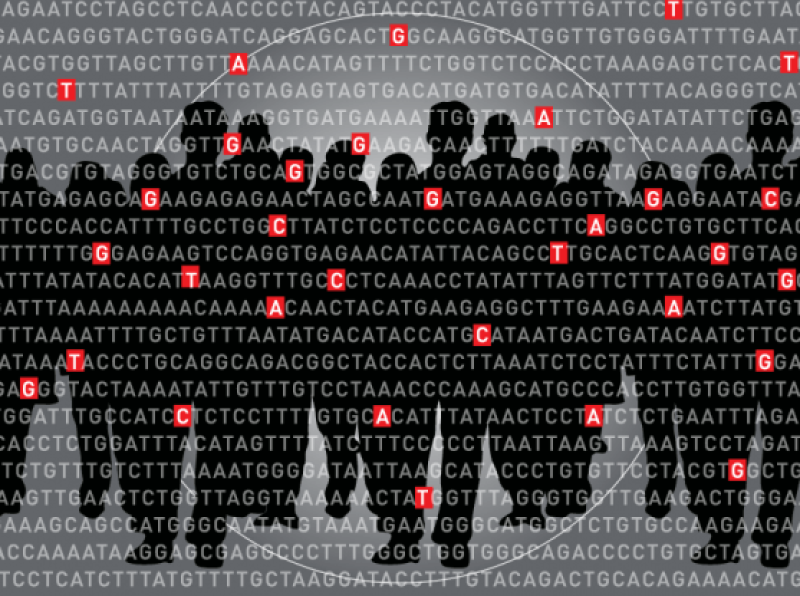
Today, thanks to the mapping of the human genome subsequent efforts to make sense of the resulting blueprint of As and Ts, Gs and Cs, we are close to being able to predict your future health from your DNA. Using advanced computer models, scientists are adding together the influence of the hundreds, even thousands, of DNA variants associated with a given disease into what is called a “polygenic score.”

Polygenic scores may also influence disease-screening strategies. Recently, it was shown that a polygenic score can predict risk for aggressive prostate cancer, suggesting that it could identify men who would benefit most from PSA screening. Finally, knowledge of polygenic risk can be useful in planning for the future. For example, although we don’t yet have effective treatment for dementia, knowing that you are at high risk for Alzheimer’s disease can help you make informed decisions about changing your behavior—keeping heart and brain healthy through diet and exercise, and, of course, paying more attention to your future finances and plans for long-term care.

Read full, original post: How Well Can a Genetic Test Predict Your Future Health?

Related Articles

Infographic: Global regulatory and health research agencies on whether glyphosate causes cancer

Infographic: Global regulatory and health research agencies on whether glyphosate causes cancer

Does glyphosate—the world's most heavily-used herbicide—pose serious harm to humans? Is it carcinogenic? Those issues are of both legal and ...

Most Popular

ChatGPT-Image-Mar-10-2026-01_39_01-PM
Viewpoint—“Miracle molecule” debunked: Why acemannan supplements don’t work
ChatGPT-Image-Sep-17-2026-12_28_43-PM
Vitamin D, omega-3 fish oil and glucosamine supplements could cause brain damage 
ChatGPT-Image-Sep-17-2026-10_17_15-AM
Viewpoint: Why are the less intelligent more likely to be conservative—and smarter people more socially liberal?
Screenshot-2026-09-10-at-12.20.19-PM
'Jet fuel didn't melt the steel': 9/11 conspiracy theories debunked
Eating Nuts Adds up to Longer Life x
For millions with peanut allergies, Nurtured Nuts’ CRISPR gene-edited peanuts could ease the fear of accidental exposure
ChatGPT-Image-Aug-28-2026-03_33_46-PM
Viewpoint: Bad science—Five bogus Trump administration claims about vaccines and autism
ChatGPT-Image-Sep-15-2026-12_15_00-PM
Viewpoint: Women, depression and empathy: Explaining the gender gap in views about child-murderer Lindsay Clancy
glp menu logo outlined

Get news on human & agricultural genetics and biotechnology delivered to your inbox.