‘Grave set of circumstances’: Investigating connection between autism and depression

depressionst
Image: Medical Xpress

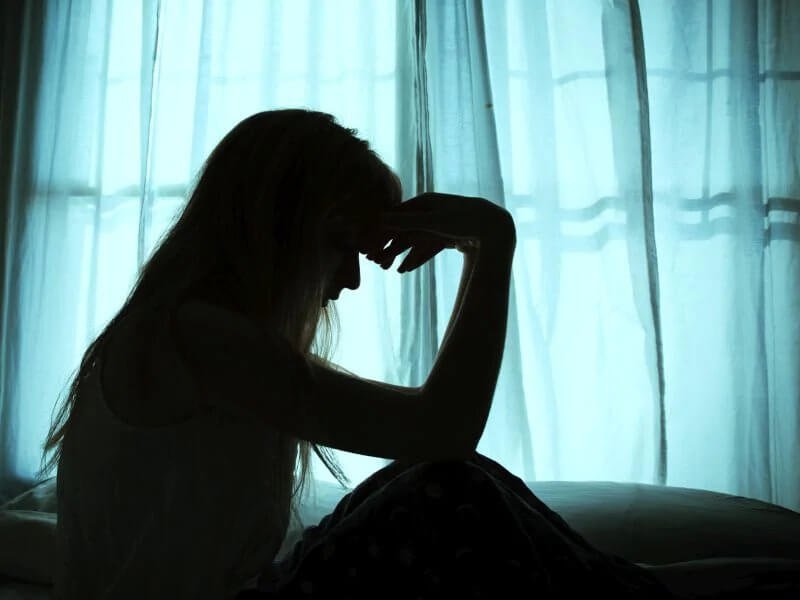
[People with autism] are four times more likely than neurotypicals to experience depression over the course of their lives, although scientists are unsure why. 

The consequences for many autistic people are dire. Major depression can severely impair their independence; their coping, daily living and social skills; and their communication — all things they may already find challenging. Depression can also trigger suicidal thoughts.

Despite this grave set of circumstances, there is little hope available. There are no studies on which screening measures are most useful or which treatments work best to ease depression among autistic people. It is not known, for example, whether depressed autistic people respond differently to psychotherapy than others do, or how best to adapt treatments such as cognitive behavioral therapy for them. 

Some researchers are exploring ways to modify CBT to treat depression in autistic people. [Psychiatrist Carla] Mazefsky says clinicians could follow a predictable session routine and structure, incorporate a client’s strengths and talents, repeat concepts often and make abstract concepts more concrete via visual aids and worksheets. They could also put greater focus on emotion recognition. Mazefsky has also found that incorporating mindfulness training can help autistic clients improve their emotional awareness.

Read full, original post: The deep emotional ties between depression and autism

{{ reviewsTotal }}{{ options.labels.singularReviewCountLabel }}
{{ reviewsTotal }}{{ options.labels.pluralReviewCountLabel }}
{{ options.labels.newReviewButton }}
{{ userData.canReview.message }}

Related Articles

Infographic: Global regulatory and health research agencies on whether glyphosate causes cancer

Infographic: Global regulatory and health research agencies on whether glyphosate causes cancer

Does glyphosate—the world's most heavily-used herbicide—pose serious harm to humans? Is it carcinogenic? Those issues are of both legal and ...

Most Popular

ChatGPT-Image-Jun-11-2026-01_15_03-PM
Selective Pressure, Selective Silence
ChatGPT Image Jun 3, 2026, 03_54_37 PM
Viewpoint: “Turn on, tune in, drop out”—Kennedy embraces the Timothy Leary psychedelic revolution
Screenshot-2026-06-05-at-1.44.09-PM
Viewpoint: Scientists have scrapped the worst-case climate scenario. Is that proof that climate change is a hoax, as Trump claims?
Screenshot-2026-06-11-at-3.40.06-PM
'Toxin' detox: A gastroenterologist weighs in on $71 billion health trend
Screenshot 2026-05-26 at 10.15
Viewpoint: Double standard—Why does the wellness industry get a free pass while Big Healthcare is treated as morally suspect?
Screenshot-2026-06-11-at-4.00.17-PM
Gen Z burned by sunscreen misinformation and tanning myths
Screenshot-2026-06-05-at-2.12.30-PM
Some plants can poison you. So how did humans figure out what is safe to eat?
ChatGPT-Image-Jun-11-2026-10_34_44-AM-2
Will hi-tech genetic fortune-telling really help parents make healthier children?
Screenshot-2026-06-03-at-3.33.44-PM
Viewpoint: Vaccine deniers are attacking a life-saving Vitamin K shot for newborns that isn’t even a vaccine
Screenshot-2026-06-08-at-1.35.30-PM
Viewpoint: Social media and fake natural health propaganda fuel surge in use of mostly useless supplements
ChatGPT Image Jun 3, 2026, 03_14_43 PM
Viewpoint: How Earthjustice became the poster child for the abuse of special interest activist funding
Credit: ACSH
Viewpoint: Who and what’s to blame for the surge in vaccine-preventable diseases?
ChatGPT-Image-Jun-10-2026-12_57_24-PM
Viewpoint: Why gene-editing babies is moral and certain to happen
glp menu logo outlined

Get news on human & agricultural genetics and biotechnology delivered to your inbox.