Despite glyphosate-cancer legal battle, farmers defend their use of Roundup

Screen Shot at AM

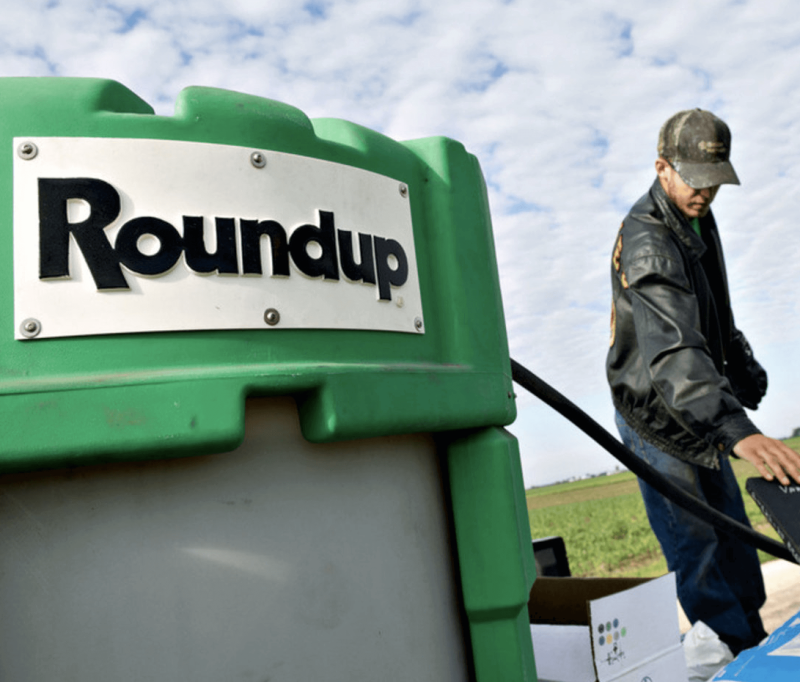
The faith that American farmers …. have in Roundup is what prompted the German company Bayer to spend $63 billion in 2018 to buy Monsanto, the herbicide’s creator. And it is now what undergirds Bayer’s confidence that Roundup will remain a moneymaker, even if the company ends up paying billions of dollars to settle the legal morass it inherited with the sale.

Glyphosate is already the most widely used agricultural chemical in history, and farmers will continue to depend on Roundup, investors reason, especially as a growing population increases the demand for food.

Independent market researchers project that the global market for glyphosate could reach $12 billion by 2024, regardless of health worries.

Although the patent on glyphosate expired in 2000, the combination of Roundup and Roundup Ready seeds has ensured the products’ continued popularity.

Farmers saw their costs fall. Glyphosate was also considered less toxic and environmentally friendlier than many of the other substances that American farmers were using.

“We used to till the ground, then plant, then go back and plow at least twice, and then spray a chemical,” said Ms. Overman, who grows soybeans, corn and wheat. “Now we’re not tilling at all,” which means less soil erosion and less chemical runoff.

Read full, original article: Roundup Weedkiller Is Blamed for Cancers, but Farmers Say It’s Not Going Away


Related Articles

Infographic: Global regulatory and health research agencies on whether glyphosate causes cancer

Infographic: Global regulatory and health research agencies on whether glyphosate causes cancer

Does glyphosate—the world's most heavily-used herbicide—pose serious harm to humans? Is it carcinogenic? Those issues are of both legal and ...

Most Popular

Screenshot-2026-09-16-at-2.26.42-PM
Viewpoint: How to ecologically damage America’s forests: Ban glyphosate
Screenshot-2026-09-20-at-9.03.54-AM
From Malaysia to the world: A pioneering science communicator reimagines global science communication for a digital age
ChatGPT-Image-Mar-10-2026-01_39_01-PM
Viewpoint—“Miracle molecule” debunked: Why acemannan supplements don’t work
ChatGPT-Image-Sep-17-2026-12_28_43-PM
Vitamin D, omega-3 fish oil and glucosamine supplements could cause brain damage 
Screenshot-2026-09-20-at-4.31.28-PM
White House drafting executive order to control what OMB Director Vought claims are “woke” NIH science grants
ChatGPT-Image-Sep-18-2026-10_49_24-AM
‘Symptom borrowing’: Young people are copying health problems they see on TikTok
ChatGPT-Image-Sep-2-2026-02_03_32-PM
AI data centers and water usage: It’s a genuine and growing problem
ChatGPT-Image-Sep-11-2026-01_53_42-PM
Should doctors engage in social media to counter misinformation?
Screenshot-2026-08-12-at-11.31.46-AM
AI is helping develop new vaccines
ChatGPT-Image-Sep-20-2026-04_22_32-PM
What’s Trump’s ‘AI Force’? Administration rushes to announce ill-defined watchdog agency and czar amid criticism of its resistance to curb AI acceleration
Screenshot-2026-09-10-at-12.20.19-PM
'Jet fuel didn't melt the steel': 9/11 conspiracy theories debunked
ChatGPT-Image-Sep-20-2026-09_47_55-AM
Trump says he’ll require drugmakers to end multiple vaccine doses, reviving discredited autism claims
Screenshot-2026-08-19-at-6.19.42-PM
Facts & Fallacies podcast: 'Regenerative farming'? RFK Jr.’s federal push romanticizes the past and risks food security
glp menu logo outlined

Get news on human & agricultural genetics and biotechnology delivered to your inbox.