Farmers, scientists face off against activists as New Hampshire mulls neonic insecticide ban

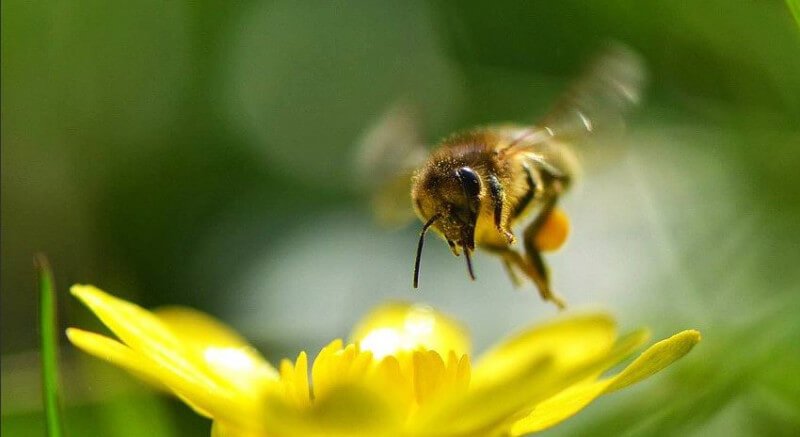
bee
Image: Friends of the Earth Europe

Farmers, lawn service scientists and educators supplied stinging criticism [October 8] of legislation that activists are pursuing to ban the use of pesticides that can be toxic to bees.

The bill would impose a ban on most uses of pesticides [called neonicotinoids] that are toxic to bees in response to a massive decline in the bee population [in New Hampshire] and in many other states.

[Editor’s note: Read The world faces โ€˜pollinator collapseโ€™? How and why the media get the science wrong time and again to learn more.]

โ€œWe know these pesticide companies are very powerful, but itโ€™s not good for the human environment if we fail to address these losses to the bee population,โ€ said Louise Spencer, a member of the liberal Kent Street Coalition.

The subcommittee heard more than two hours of testimony from opponents of the ban who argued there is more to the decline than pesticide spraying and that the chemicals targeted are among the safest on the market.

Anna Wallingford, a University of New Hampshire extension specialist …. says the body of science on the topic is still maturing. โ€œThis is too complicated,โ€ Wallingford said

Many farmers urged the panel to kill the bill and said lawmakers should rely on the expertise of the state Pesticide Control Board, which has regulated pesticide use in the state for more than 50 years.

Read full, original article: Bee saviors stung by criticism over proposed pesticide ban

{{ reviewsTotal }}{{ options.labels.singularReviewCountLabel }}
{{ reviewsTotal }}{{ options.labels.pluralReviewCountLabel }}
{{ options.labels.newReviewButton }}
{{ userData.canReview.message }}

Related Articles

Infographic: Global regulatory and health research agencies on whether glyphosate causes cancer

Infographic: Global regulatory and health research agencies on whether glyphosate causes cancer

Does glyphosateโ€”the world's most heavily-used herbicideโ€”pose serious harm to humans? Is it carcinogenic? Those issues are of both legal and ...

Most Popular

S
As vaccine rejectionism spreads, measles may be taking a more dangerous turn
Screenshot-2026-05-01-at-1.29.41-PM
Viewpoint: What happens when whole grains meet modern food manufacturing? Labels donโ€™t tell the whole story.
Screenshot 2026-05-06 at 2.56
Singularity crisis ahead? Can super babies save us from rogue AI geniuses?
Screenshot-2026-03-13-at-12.14.04-PM
The FDA wants to make many popular prescription drugs OTCโ€”a great idea. Hereโ€™s why itโ€™s unlikely to happen
Screenshot-2026-05-06-at-2.07.43-PM
Manufacturing a conspiracy: The timeline of howย  the White House embraced the fringe claim that scientists are being mysteriously murdered
Screenshot-2026-05-01-at-11.56.24-AM
โ€˜Science moves forward when people are willing to think differentlyโ€™: Memories of DNA maverick Craig Venter
Screenshot-2026-04-30-at-2.19.37-PM
5 myths about summer dehydration that could damage your health โ€” or even kill you
Screenshot-2026-04-20-at-2.26.27-PM
Viewpoint โ€” Food-fear world: The latest activist scientists campaign: Cancer-causing additives
Screenshot-2026-04-03-at-11.15.51-AM
Paraben panic: How a flawed study, media hype, and chemophobia convinced the public of the danger of one of the safest classes of preservatives
images
The never-ending GMO debate: Pros and cons
Screenshot-2026-04-12-135256
Bixonimania: The fake disease scam that AI swallowed whole
glp menu logo outlined

Get news on human & agricultural genetics and biotechnology delivered to your inbox.