United Nations FAO: 14 percent of food wasted before it reaches consumers

waste e

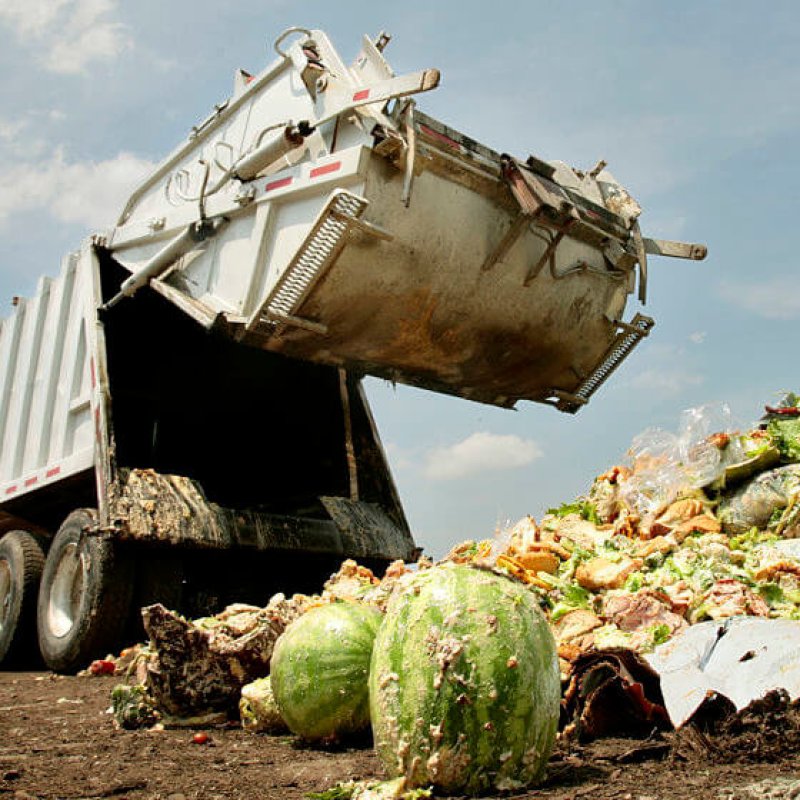
Around 14 percent of global food goes to waste after harvesting and before reaching the retail level, including through on-farm activities, storage, and transportation. This is according to the report on the State of Food and Agriculture released by the Food and Agriculture Organization of the United Nations (FAO).

FAO monitored how much, where, and why food is lost at different stages on the food supply chain. The findings will help identify critical loss points across the supply chains, which have a great impact on food security. Results showed that harvesting is the most frequently identified critical loss point for all types of food.

It was also reported that losses and waste are generally higher for fruits and vegetables than cereals and pulses at all stages in the supply chain, except for on-farm losses and those during transportation in Eastern and South-Eastern Asia. For lower-income countries, the cause of great losses in fruits and vegetable supply chain is poor infrastructure, particularly storage facilities. For high-income countries, losses occur when there is technical breakdown, poor management of temperature in storage facilities, humidity or overstocking.

FAO called for consumers and producers’ understanding of the problem and taking action on how to effectively reduce food losses globally.

Read full, original article: Crop Biotech Update October 16, 2019

{{ reviewsTotal }}{{ options.labels.singularReviewCountLabel }}
{{ reviewsTotal }}{{ options.labels.pluralReviewCountLabel }}
{{ options.labels.newReviewButton }}
{{ userData.canReview.message }}

Related Articles

Infographic: Global regulatory and health research agencies on whether glyphosate causes cancer

Infographic: Global regulatory and health research agencies on whether glyphosate causes cancer

Does glyphosate—the world's most heavily-used herbicide—pose serious harm to humans? Is it carcinogenic? Those issues are of both legal and ...

Most Popular

wuhan institute of virology main entrance
​​COVID lab leak? Making a case that the Wuhan market origins theory is wrong
Screenshot-2026-06-17-at-9.44.03-AM
Viewpoint: Embryos are becoming the newest battleground of love, loss, and legal uncertainty
Screenshot-2026-06-18-at-11.41.51-AM
Viewpoint—Protecting baloney science: Far right senators move to protect the phony homeopathy industry
Screenshot-2026-06-16-at-10.02.22-PM
Viewpoint: ‘Industrial food’ primer—Challenging the dangerous delusions of the alternative food movement
Screenshot-2026-06-17-at-11.57.12-AM
Viewpoint: Raw milk and the myth of safety—ProPublica exposes the growing anti-homogenization movement
ChatGPT-Image-Jun-9-2026-01_11_37-PM
Turmeric supplements: More risks than benefits
ChatGPT-Image-Jun-16-2026-10_01_45-AM-2
Viewpoint—Recursive self-improvement: AI leader Anthropic calls for AI slowdown
ChatGPT-Image-Mar-10-2026-01_39_01-PM
Viewpoint—“Miracle molecule” debunked: Why acemannan supplements don’t work
ChatGPT-Image-Jun-16-2026-10_29_11-AM
What’s behind Anthropic’s warning about the accelerating development of AI
Screenshot-2026-06-18-at-2.52.05-PM
Activist organization accuses Trump of protecting methane-generating stripper wells to benefit billionaire and donor Jeffrey Hildebrand 
ChatGPT-Image-Jun-4-2026-03_07_27-PM
AAP v. Kennedy: While a court challenge grinds on, RFK Jr. quietly advances his anti-vaccine conspiracy agenda
ChatGPT-Image-Jun-18-2026-02_32_04-PM
Can illegal social media content be stopped before it goes viral? UK is going to try.
newborn infant baby mother
Facts & Fallacies Podcast: The truth about vitamin K shots
glp menu logo outlined

Get news on human & agricultural genetics and biotechnology delivered to your inbox.