78% of soybean, 76% of cotton grown globally in 2018 were GMO, as farmers continued adopting biotech crops

MONSANTO master
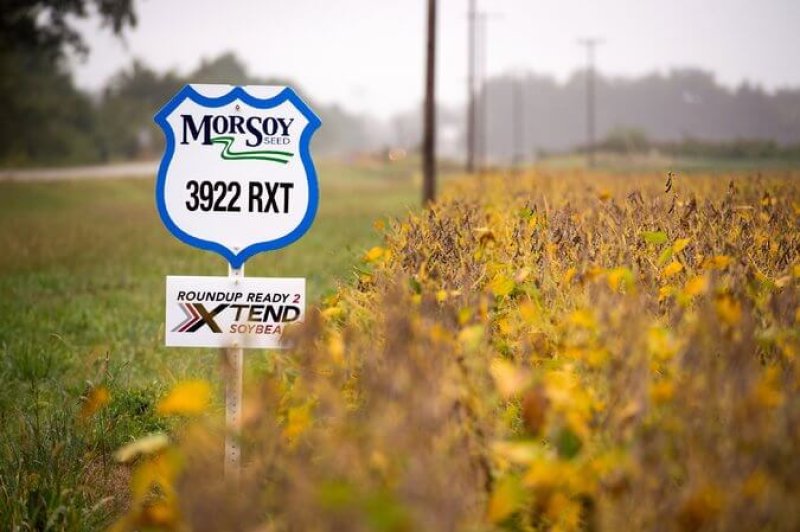
A sign marks a field of XTEND Soybean, a Monsanto brand of genetically modified soybean

The four major biotech crops โ€” soybeans, maize, cotton, and canola โ€” were the most adopted biotech crops by 26 countries in 2018, according to the ISAAA report, Global Status of Commercialized Biotech/GM Crops in 2018. Soybeans lead at 95.9 million hectares, followed by maize (58.9 million hectares), cotton (24.9 million), and canola (10.1 million hectares). Based on the FAO global area for these crops, 78% of soybeans, 76% of cotton, 30% of maize, and 29% of canola were biotech crops in 2018.

Other biotech crops planted in 2018 include sugar beets, alfalfa, papaya, squash, potatoes, apples, sugarcane, and eggplant.

To learn more about biotech crops planted in 2018, download and read the Biotech Crop Annual Updates for soybeans, maize, cotton, canola, and alfalfa.

Read full, original article: Crop Biotech Update October 30, 2019


{{ reviewsTotal }}{{ options.labels.singularReviewCountLabel }}
{{ reviewsTotal }}{{ options.labels.pluralReviewCountLabel }}
{{ options.labels.newReviewButton }}
{{ userData.canReview.message }}

Related Articles

Infographic: Global regulatory and health research agencies on whether glyphosate causes cancer

Infographic: Global regulatory and health research agencies on whether glyphosate causes cancer

Does glyphosateโ€”the world's most heavily-used herbicideโ€”pose serious harm to humans? Is it carcinogenic? Those issues are of both legal and ...

Most Popular

ChatGPT Image May 10, 2026, 08_16_59 PM 2

Overmedicalization? RFK Jr.โ€™s antidepressant crackdown raises conflict questions over his fee stake in Wisner Baum, the tort firm built on suing drug makers
Screenshot-2026-05-01-at-1.29.41-PM
Viewpoint: What happens when whole grains meet modern food manufacturing? Labels donโ€™t tell the whole story.
S
As vaccine rejectionism spreads, measles may be taking a more dangerous turn
ChatGPT-Image-Apr-13-2026-02_20_22-PM
Viewpoint: Misinformation infodemic? Why assessing evidence is so challengingย 
Picture1-5
Science Disinformation Gap: The transatlantic battle over social media and censorship
Screenshot-2026-04-20-at-2.26.27-PM
Viewpoint โ€” Food-fear world: The latest activist scientists campaign: Cancer-causing additives
Screenshot-2026-03-13-at-12.14.04-PM
The FDA wants to make many popular prescription drugs OTCโ€”a great idea. Hereโ€™s why itโ€™s unlikely to happen
ChatGPT-Image-Mar-27-2026-11_47_30-AM-2
FDAโ€™s expedited drug reviews are hailed in some quarters but other approval practices are problematic
bigstock opioids on chalkboard with rol
GLP podcast: 'Safe injection sites': enabling drug addiction or saving lives?
Farmers can talk to plants
Farmers are a major source of misinformationโ€”about farming
Screenshot-2026-05-08-at-3.40.33-PM
Seeds of power: China turns to genetic engineering to become global superpower
circular-bioeconomy-should-focus-on-sustainable-wellbeing
GLP podcast: What's wrong with 'doomsday' environmentalism? It's false.
Picture1-14
When superbugs threaten vulnerable children: Can AI help solve antibiotic resistance?
Screenshot 2026-05-08 at 3.01
Transforming farming and nutrition with AI and robotics? Larry Ellisonโ€™s half-billion-dollar Hawaii greenhouse dream goes bust
glp menu logo outlined

Get news on human & agricultural genetics and biotechnology delivered to your inbox.