As more states try to ban chlorpyrifos insecticides, small chemical firms boost production to meet farmer demand

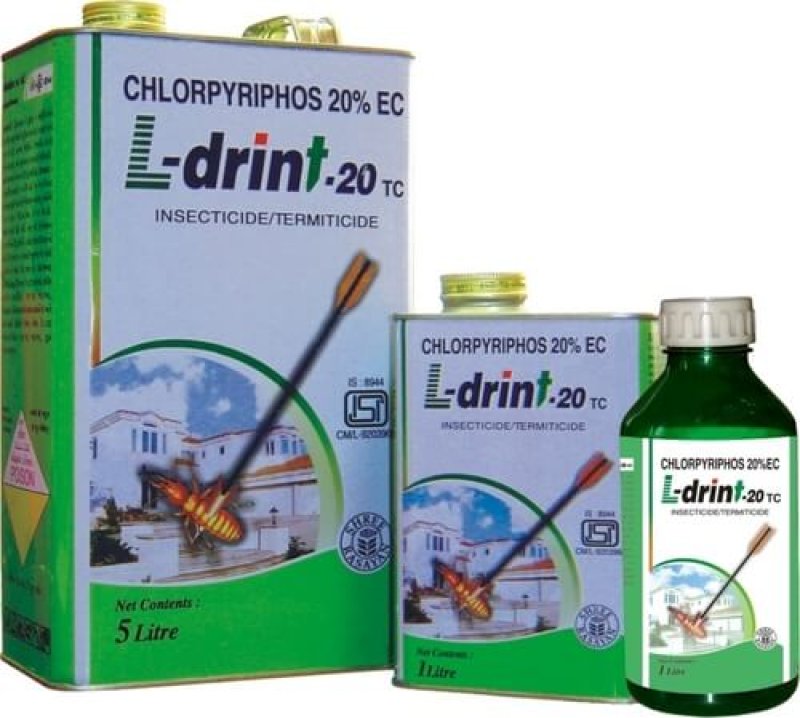
L DRINT EC CHLORPYRIFOS EC

Smaller players in the pesticide industry are angling to take advantage of a new and perhaps finite window to sell the insecticide chlorpyrifos, even after the EU banned it and a growing number of states have moved to regulate it out of existence.

Corteva Agriscience, the world’s largest manufacturer of chlorpyrifos, announced [in February] that it would stop making the chemical by the end of the [2020], citing declining sales.

And chlorpyrifos—which has been linked to brain damage in humans, especially infants—is the target of a multistate lawsuit and legislation in five states to ban the pesticide. New York, California, and Hawaii have already passed laws to prohibit its use or sale  …. But despite the headwinds, chlorpyrifos …. remains in use in most states.

[Editor’s note: Read Was the EPA right not to ban the crop pesticide chlorpyrifos? to learn more.]

“If Corteva isn’t able to meet the demands of the marketplace, we are well prepared to step in,” said Ram Seethapathi, president of Gharda Chemicals International Inc., a subsidiary of India-based Gharda Chemicals Ltd.

In 1997, the chemical family called organophosphates, which includes chlorpyrifos, represented 40% of the global pesticide market. Today it’s just 5%, according to Corteva.

But some farmers say they still prefer chlorpyrifos over the newer insecticides, which may not work as well against certain pests.


Read the original post

{{ reviewsTotal }}{{ options.labels.singularReviewCountLabel }}
{{ reviewsTotal }}{{ options.labels.pluralReviewCountLabel }}
{{ options.labels.newReviewButton }}
{{ userData.canReview.message }}

Related Articles

Infographic: Global regulatory and health research agencies on whether glyphosate causes cancer

Infographic: Global regulatory and health research agencies on whether glyphosate causes cancer

Does glyphosate—the world's most heavily-used herbicide—pose serious harm to humans? Is it carcinogenic? Those issues are of both legal and ...

Most Popular

Picture1-5
Science Disinformation Gap: The transatlantic battle over social media and censorship
Screenshot-2026-04-23-at-11.00.36-AM
Regulators' dilemma: Thalidomide, Metformin, and the cost of getting drug approvals wrong
ChatGPT-Image-May-12-2026-08_39_41-PM
GLP podcast: Big Pharma, Big Ag, Big Food—health harming industries or life-saving innovators?
Screenshot-2026-05-12-at-9.58.31-PM
'He seems fine': Marty Makary out as FDA commissioner
ChatGPT Image May 10, 2026, 08_16_59 PM 2
Overmedicalization? RFK Jr.’s antidepressant crackdown raises conflict questions over his fee stake in Wisner Baum, the tort firm built on suing drug makers
Picture1-1
Cooling the planet with balloons: Could a geoengineering gamble slow global warming?
Screenshot-2026-05-12-at-10.05.11-AM
Pro-vaccine “hero” vs. an anti-vax “villain”: ‘Bad Vaxx’ video stirs MAHA backlash

Screenshot-2026-05-11-104424
Hantavirus outbreak research: Trump administration shut down study last year on rodent-to-human transmission
ChatGPT Image May 12, 2026, 10_19_00 AM 2
Viewpoint— 'Muscular governance': How authoritarianism is surging corporate-linked energy misinformation
S
As vaccine rejectionism spreads, measles may be taking a more dangerous turn
Picture1-14
When superbugs threaten vulnerable children: Can AI help solve antibiotic resistance?
Screenshot-2026-05-01-at-1.29.41-PM
Viewpoint: What happens when whole grains meet modern food manufacturing? Labels don’t tell the whole story.
ChatGPT-Image-Apr-13-2026-02_20_22-PM
Viewpoint: Misinformation infodemic? Why assessing evidence is so challenging 
glp menu logo outlined

Get news on human & agricultural genetics and biotechnology delivered to your inbox.