Do males and females have different brain structures? Monkey study suggests ‘yes’

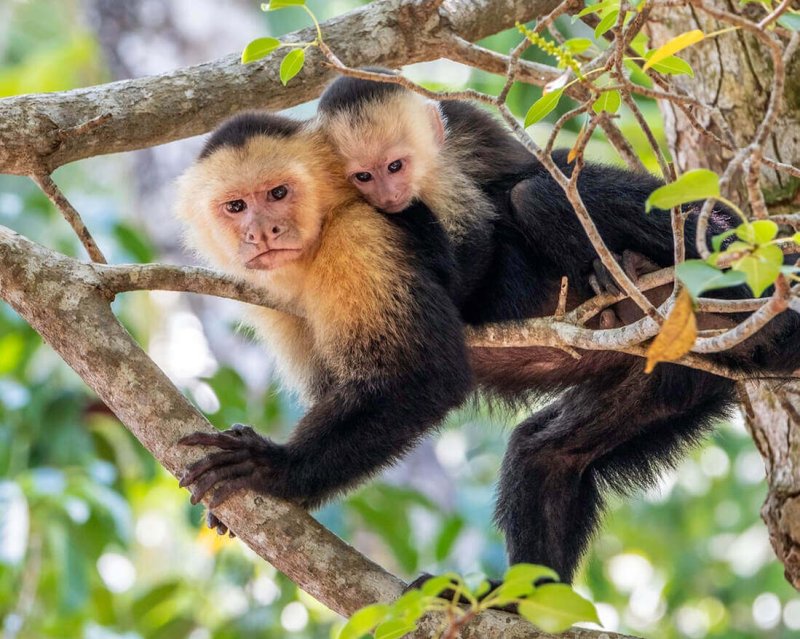
white headed capuchin istock resize
Credit: New England Primate Conservancy

Using a noninvasive imaging technique, researchers found that male capuchin monkeys showed expansion in the gray matter of a brain area called the hypothalamus, which is responsible for maintaining critical body functions such as hormone secretion and temperature regulation. Female capuchin monkeys showed expansion in the gray matter of different brain areas than males. Analyses of the connectivity of the white matter in the brain revealed that expansion for females was primarily found in areas that are associated with higher-order functions such as attention, perception, and social behavior.

Male and female capuchins inhabit different social niches: females rely on high quality resources and strong relationships with maternal kin to acquire reproductive success, which means that they compete with other females for these resources and for male attention. On the other hand, males rely on social status and must compete against other males from outside groups for reproductive success. One possible explanation for the sex differences that emerge in capuchin brains is that selection pressures act differently on the brains of males and females as a result of their separate social niches.

“Knowing these differences will be informative for future behavioral and cognitive studies with these monkeys, particularly in social contexts,” said [researcher] Olivia Reilly.


Mis- and disinformation are distorting science and public policy. Subscribe to our Daily and Weekly Digests for incisive coverage of ‘disruptive’ innovations in AI, agricultural biotechnology, food, chemicals, nuclear energy, vaccines, and other disruptive innovations.

Studying sex differences in capuchin brains can help scientists to learn more about the evolution of sex differences and when such differences may have evolved.


Read the original post

Related Articles

Infographic: Global regulatory and health research agencies on whether glyphosate causes cancer

Infographic: Global regulatory and health research agencies on whether glyphosate causes cancer

Does glyphosate—the world's most heavily-used herbicide—pose serious harm to humans? Is it carcinogenic? Those issues are of both legal and ...

Most Popular

ChatGPT-Image-Mar-10-2026-01_39_01-PM
Viewpoint—“Miracle molecule” debunked: Why acemannan supplements don’t work
Supplement Rain Wellness Illustration
Viewpoint: Bedeviled by “toxic inflammation”? How wellness grifters turn this scientific gray zone into a supplement jackpot
Wave Crest Over Red Cross
Viewpoint: Here are the election-inspired Trump administration healthcare policy reversals expected in the coming months
Aerial Sprayer Over Gradient Fields
Farming, food, and chemicals: Post-midterms, the MAHA alliance between Democrats and MAGA Republicans is bruised but not cowed. What comes next?
Teal Hexagon Technology Icons
4 key ways the Blue Wave will upend science policy
Confident Doctor in Clinical Setting
More than 80% of ‘pro-science’ candidates were swept into office. Will they have a policy impact?
Stacked Protest Signs on Concrete Ledge
Voters hate AI data centers, yet they are crucial to establishing a critical technology. So what’s next?
Microscopic IVF Egg Injection
With technical barriers to human embryo editing falling, ethical concerns escalate
Protect-Womens-Sports-at-the-Capitol
Blue, purple and red states passed or reaffirmed bans on trans females competing in women’s sports
Democratic Donkey Plowing at Sunset
Viewpoint: Democratic tsunami: As the red tide recedes, here are the most likely shifts in food and agricultural policy
Screenshot-2026-11-05-at-1.20.54-PM
$7.35 billion PFAS settlement: 3M to pay people who blame health problems on ‘forever chemicals’ phased out of firefighting foam for more than 20 years
glp menu logo outlined

Get news on human & agricultural genetics and biotechnology delivered to your inbox.