Gene editing could fight deadly diseases in fish, boosting sustainable aquaculture

Developing effective treatments – like vaccines – can be challenging, take many years and can be difficult to manufacture and deploy in order to effectively protect large populations.

The same is true for disease in aquaculture.

We know, however, that there is natural genetic variation in resistance for aquaculture’s most problematic viral and parasitic diseases.

So our research, some of which is published in the journal Scientific Reports, explores how this knowledge could be used in combination with the latest DNA technology advances, like genomic selection and CRISPR, to protect animals against disease.

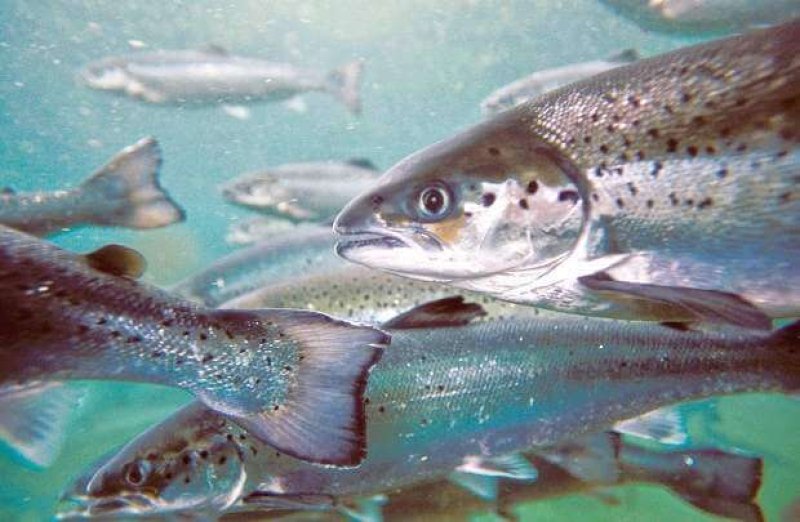
Atlantic salmon are particularly susceptible to sea lice, while some species of Pacific salmon have very low susceptibility.

In a world-first project funded by the Norwegian Seafood Research Fund, our team from the University of Melbourne and Nofima, in collaboration with scientists from the UK, Canada and the USA, will work with large salmon breeding and production companies in Norway, using gene editing to find out which genes make salmon attractive as a host.

Follow the latest news and policy debates on sustainable agriculture, biomedicine, and other ‘disruptive’ innovations. Subscribe to our newsletter.

If we can find the differences in the genetic code that cause lice to be attracted to Atlantic salmon, or that makes the skin of Pacific salmon unpleasant for sea lice to settle and develop, then we may be able to use that information to make Atlantic salmon resistant to sea lice.


Read the original post

{{ reviewsTotal }}{{ options.labels.singularReviewCountLabel }}
{{ reviewsTotal }}{{ options.labels.pluralReviewCountLabel }}
{{ options.labels.newReviewButton }}
{{ userData.canReview.message }}

Related Articles

Infographic: Global regulatory and health research agencies on whether glyphosate causes cancer

Infographic: Global regulatory and health research agencies on whether glyphosate causes cancer

Does glyphosate—the world's most heavily-used herbicide—pose serious harm to humans? Is it carcinogenic? Those issues are of both legal and ...

Most Popular

Screenshot-2026-04-23-at-11.00.36-AM
Regulators' dilemma: Thalidomide, Metformin, and the cost of getting drug approvals wrong
Picture1-5
Science Disinformation Gap: The transatlantic battle over social media and censorship
ChatGPT-Image-May-13-2026-11_56_08-AM
After slashing global health aid by $19 Billion, Trump moves to tap $2.1 billion more—to cover shutdown costs
ChatGPT-Image-May-12-2026-08_39_41-PM
GLP podcast: Big Pharma, Big Ag, Big Food—health harming industries or life-saving innovators?
Screenshot-2026-02-20-at-10.48.04-AM
Deepfakes raise profound ethical questions in science
Picture1-1
Cooling the planet with balloons: Could a geoengineering gamble slow global warming?
ChatGPT Image May 10, 2026, 08_16_59 PM 2
Overmedicalization? RFK Jr.’s antidepressant crackdown raises conflict questions over his fee stake in Wisner Baum, the tort firm built on suing drug makers
Screenshot-2026-05-01-at-1.29.41-PM
Viewpoint: What happens when whole grains meet modern food manufacturing? Labels don’t tell the whole story.
ChatGPT-Image-Apr-13-2026-02_20_22-PM
Viewpoint: Misinformation infodemic? Why assessing evidence is so challenging 
Screenshot-2026-05-12-at-9.58.31-PM
'He seems fine': Marty Makary out as FDA commissioner
S
As vaccine rejectionism spreads, measles may be taking a more dangerous turn
Screenshot-2026-05-11-104424
Hantavirus outbreak research: Trump administration shut down study last year on rodent-to-human transmission
glp menu logo outlined

Get news on human & agricultural genetics and biotechnology delivered to your inbox.