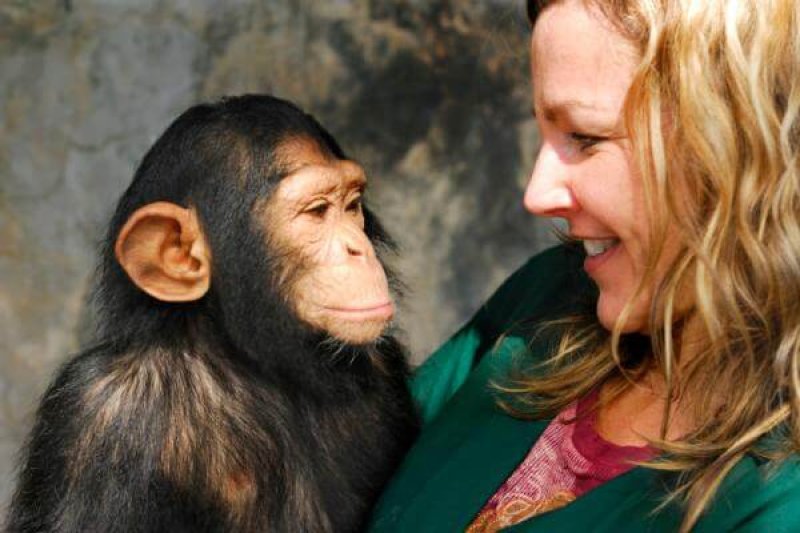
Humans and chimpanzees share 99% of the same DNA. This is the 1% difference

Credit: 23andMe
Credit: 23andMe

With only 1% difference, the human and chimpanzee protein-coding genomes are remarkably similar. Understanding the biological features that make us human is part of a fascinating and intensely debated line of research.

To explain what sets human apart from their ape relatives, researchers have long hypothesized that it is not so much the DNA sequence, but rather the regulation of the genes (i.e. when, where and how strongly the gene is expressed), that plays the key role. However, precisely pinpointing the regulatory elements which act as ‘gene dimmers’ and are positively selected is a challenging task that has thus far defeated researchers.

Mis- and disinformation are distorting science and public policy. Subscribe to our Daily and Weekly Digests for incisive coverage of ‘disruptive’ innovations in AI, agricultural biotechnology, food, chemicals, nuclear energy, vaccines, and other disruptive innovations.

Researchers at SIB and the University of Lausanne have developed a new method which has enabled them to identify a large set of gene regulatory regions in the brain, selected throughout human evolution. Jialin Liu, Postdoctoral researcher and lead author of the study explains: “We show for the first time that the human brain has experienced a particularly high level of positive selection, as compared to the stomach or heart for instance. This is exciting, because we now have a way to identify genomic regions that might have contributed to the evolution of our cognitive abilities!”


Read the original post

Related Articles

Infographic: Global regulatory and health research agencies on whether glyphosate causes cancer

Infographic: Global regulatory and health research agencies on whether glyphosate causes cancer

Does glyphosate—the world's most heavily-used herbicide—pose serious harm to humans? Is it carcinogenic? Those issues are of both legal and ...

Most Popular

ChatGPT-Image-Sep-17-2026-12_28_43-PM
Vitamin D, omega-3 fish oil and glucosamine supplements could cause brain damage 
ChatGPT-Image-Mar-10-2026-01_39_01-PM
Viewpoint—“Miracle molecule” debunked: Why acemannan supplements don’t work
ChatGPT-Image-Sep-17-2026-10_17_15-AM
Viewpoint: Why are the less intelligent more likely to be conservative—and smarter people more socially liberal?
Screenshot-2026-09-10-at-12.20.19-PM
'Jet fuel didn't melt the steel': 9/11 conspiracy theories debunked
Screenshot-2026-08-12-at-11.31.46-AM
AI is helping develop new vaccines
Screenshot-2026-09-16-at-12.07.47-PM
The heated debate over trans athletes in the WNBA
Screenshot-2026-09-17-at-10.24.54-AM
Viewpoint: Dubious environmental fears: Why the AI buildout is critical to America’s ecological future
ChatGPT-Image-Sep-9-2026-02_48_24-PM
Viewpoint: Trump-RFK Jr. report on “Gender Ideology & Left-wing Ideology’ targets LGBTQ community—and science
Screenshot 2026-09-11 at 12.39
Child-monitoring apps: When the cure is worse than the harm—and how the technology could be tweaked
Screenshot-2026-09-10-at-11.50.46-AM
Did COVID vaccines kill 2,500 service members? RFK Jr. hires an investigator who compares vaccine promoters to Nazi doctors
glp menu logo outlined

Get news on human & agricultural genetics and biotechnology delivered to your inbox.