We may have a CRISPR cure for red blood diseases sickle cell anemia and beta thalassemia

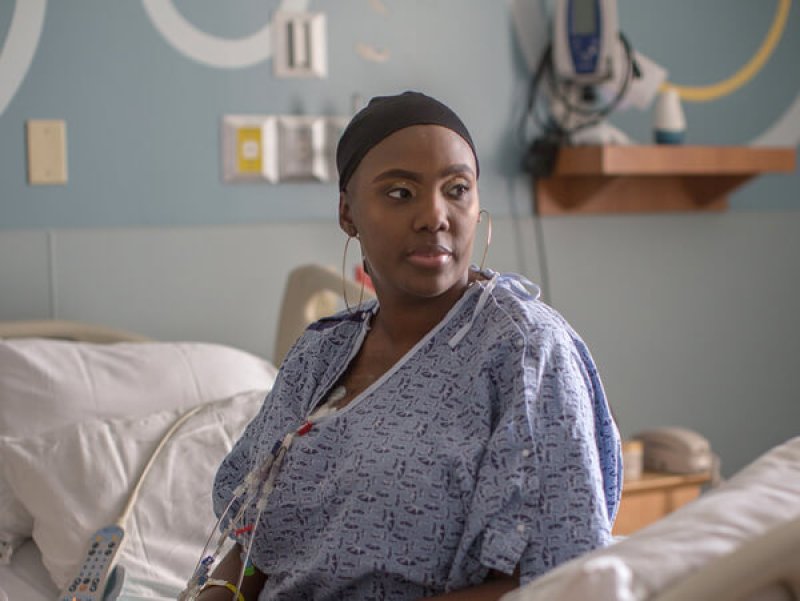
Victoria Gray was diagnosed with sickle cell disease when she was an infant. She was considering a bone marrow transplant when she heard about the CRISPR study and jumped at the chance to volunteer. Credit: NPR

Sickle cell anemia and thalassemia are genetic diseases that result in the production of anomalous hemoglobin (protein that carries oxygen) and deformed red blood cells. There is no cure for these ailments, but ten patients who have had their genes edited are on their way to get rid of them, thanks to the Clustered Regularly Interspaced Short Palindromic Repeats technique or CRISPR.

“It is possible to edit human cells and safely infuse them in patients; this treatment has totally changed their lives,” said haematologist Haydar Frangoul of the Sarah Cannon Research Institute. He is the doctor accompanying the study’s first volunteer, the housewife and mother of three children Victoria Gray.

…

The work consisted of activating the generation of fetal hemoglobin, which is still produced in the womb and which results in healthy red blood cells. When the baby is born, the gene turns off and, in patients with thalassemia and sickle cell anemia, the result is the production of anomalous hemoglobin.
Mis- and disinformation are distorting science and public policy. Subscribe to our Daily and Weekly Digests for incisive coverage of ‘disruptive’ innovations in AI, agricultural biotechnology, food, chemicals, nuclear energy, vaccines, and other disruptive innovations.

To receive the stem cells edited by CRISPR, patients first had to go through a painful stage: numerous rounds of chemotherapy… After all the stem cells that produced the anomalous hemoglobin were destroyed, those edited were infused into the patients to reproduce and manufacture fetal hemoglobin.


Read the original post

Related Articles

Infographic: Global regulatory and health research agencies on whether glyphosate causes cancer

Infographic: Global regulatory and health research agencies on whether glyphosate causes cancer

Does glyphosate—the world's most heavily-used herbicide—pose serious harm to humans? Is it carcinogenic? Those issues are of both legal and ...

Most Popular

ChatGPT-Image-Mar-10-2026-01_39_01-PM
Viewpoint—“Miracle molecule” debunked: Why acemannan supplements don’t work
Screenshot-2026-09-28-at-11.26.17-AM
Viewpoint: Wellness movement activists reposition nicotine from a killer addictive drug into a cure-all for brain ills
Screenshot-2026-10-02-at-9.11.36-AM
The genetics of personality
strand of dna genetics
No, GMO foods do not “damage genes, natural disposition and hormones, or decrease physical health and intelligence”
Radioactive-Americana-Collage-2
The kooky logic behind the raft of spurious cancer claims from Harvard’s T.H. Chan School of Public Health
Screenshot-2026-10-02-at-8.56.38-AM
Trump finalizes Medicare drug price cuts, drawing Big Pharma’s fury and a legal challenge
Screenshot-2026-10-01-at-10.52.08-AM
Non-browning CRISPR gene-edited bananas move one step closer to British markets
Screenshot-2026-10-02-at-11.12.24-AM
‘Why do we keep falling for this stuff?’ America’s love affair with snake oil salesmen and scams
Screenshot-2026-09-22-at-10.54.12-AM
‘They misunderstand science’: Research attempting to tie autism to changes in the gut microbiome comes under fire
AI-Force-Leadership-Portrait
Jay Clayton controversy: The divisive history of Trump’s newly-appointed AI czar
ChatGPT-Image-Sep-21-2026-11_21_39-AM
Viewpoint: Food cults: Online ‘nutrition communities’ can pose unique dangers
glp menu logo outlined

Get news on human & agricultural genetics and biotechnology delivered to your inbox.