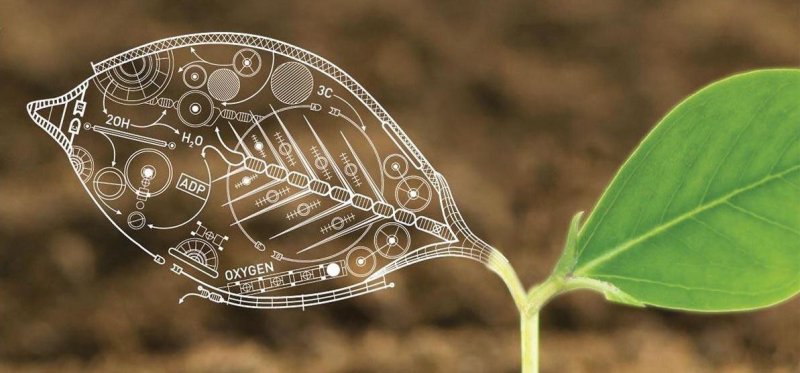
We could face a global food crisis by 2050. Is synthetic biology the solution?

Credit: Thermo Fischer Scientific

Synthetic biology has the potential to reshape our agriculture systems and to usher in a new era equitable and of sustainable nutrition. It’s a lofty but critical goal—research projects we will face severe global food shortages by 2050. But for synthetic biology to successfully transform our food supply, the biotech community must also be aware of the pitfalls and hurdles that could inadvertently lead to greater food disparities. Resource distribution is already unequal. The World Economic Forum estimates that 9% of the global population, about 690 million people, did not have enough to eat in 2019. If current trends continue, this number is expected to exceed 840 million by 2030. Though these numbers may seem overwhelming, they can also be a catalyst for innovation. 

There are solutions to global hunger at the intersection of science, business, and public policy. By working together, this trifecta can create and execute novel food technologies. It’s a challenge for any entrepreneur to take their concept out of the lab and into the hands of consumers. 

Follow the latest news and policy debates on sustainable agriculture, biomedicine, and other ‘disruptive’ innovations. Subscribe to our newsletter.

Shifting values from dollars to people may seem radical or highly improbable. But it’s an important shift if the synthetic biology industry is to fully accept its role in addressing global hunger. 

Read the original post

{{ reviewsTotal }}{{ options.labels.singularReviewCountLabel }}
{{ reviewsTotal }}{{ options.labels.pluralReviewCountLabel }}
{{ options.labels.newReviewButton }}
{{ userData.canReview.message }}

Related Articles

Infographic: Global regulatory and health research agencies on whether glyphosate causes cancer

Infographic: Global regulatory and health research agencies on whether glyphosate causes cancer

Does glyphosate—the world's most heavily-used herbicide—pose serious harm to humans? Is it carcinogenic? Those issues are of both legal and ...

Most Popular

ChatGPT Image Jun 3, 2026, 03_14_43 PM
Viewpoint: How Earthjustice became the poster child for the abuse of special interest activist funding
ChatGPT Image Jun 3, 2026, 03_54_37 PM
Viewpoint: “Turn on, tune in, drop out”—Kennedy embraces the Timothy Leary psychedelic revolution
ChatGPT-Image-Jun-11-2026-01_15_03-PM
Selective Pressure, Selective Silence
Screenshot-2026-06-05-at-2.12.30-PM
Some plants can poison you. So how did humans figure out what is safe to eat?
Screenshot 2026-05-26 at 10.15
Viewpoint: Double standard—Why does the wellness industry get a free pass while Big Healthcare is treated as morally suspect?
Screenshot-2026-06-03-at-1.24.46-PM
Challenging anti-GMO disinformation: Why genetically-tweaked crops offer bushels of benefits
artificial intelligence brain think illustration md
Viewpoint — Digital gods and human extinction: Will we be the first species ever to design our own descendants?
ChatGPT Image May 28, 2026, 08_16_38 PM
Viewpoint: Why the EPA mismeasures cancer risk of chemicals and what should be done to fix it
ChatGPT Image Jun 1, 2026, 11_39_17 AM
Viewpoint: When food myths go viral, farmers pay the price

Sorry. No data so far.

glp menu logo outlined

Get news on human & agricultural genetics and biotechnology delivered to your inbox.