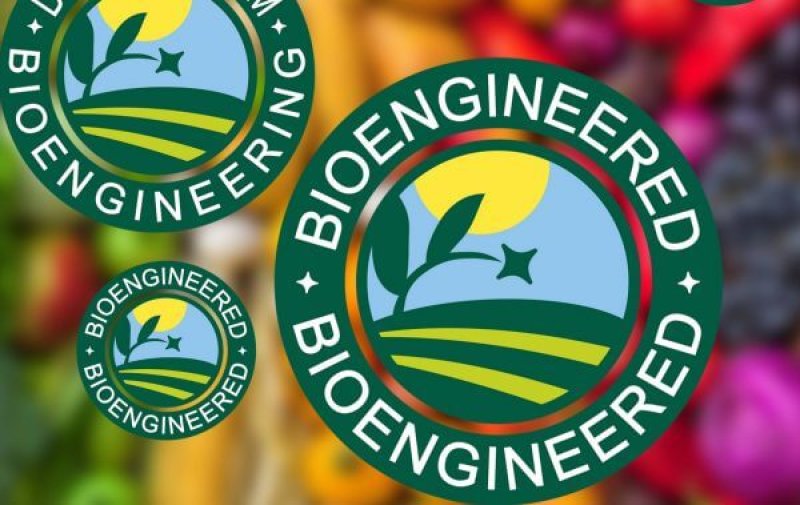
‘Blissfully unaware’: Many food manufacturers don’t realize new GM labeling law applies to them and are unprepared for end-of-year deadline

Credit: iStock
Credit: iStock

Compliance with the National Bioengineered Food Disclosure Standard (NBFDS) – which requires firms with annual sales of >$2.5m to label ‘bioengineered’ foods, beverages, and supplements – is mandatory from January 1, 2022. So is the industry up to speed? It’s a pretty mixed bag, according to labeling experts.

For every large company that has already spent months – if not years – gearing up for the NBFDS, there are probably 10 smaller companies who may be blissfully unaware that the law even applies to them.

Follow the latest news and policy debates on sustainable agriculture, biomedicine, and other ‘disruptive’ innovations. Subscribe to our newsletter.

The law – which is being challenged in court by some groups​​ who believe it doesn’t go far enough – defines bioengineered foods as those that “contain detectable genetic material that has been modified through certain lab ​[​in​ vitro rDNA] techniques and cannot be created through conventional breeding or found in nature.”​​​

In practice, this means that many highly-refined ingredients (starches, oils, sweeteners, emulsifiers) from widely bioengineered crops such as corn and soy will likely not require labeling, because the modified material is not detectible through testing.

However, the onus is on manufacturers to go through USDA’s published list of bioengineered foods​​, identify any ingredients they use that may be derived from these crops, and then contact suppliers to determine whether they need to be labeled.


Read the original post

{{ reviewsTotal }}{{ options.labels.singularReviewCountLabel }}
{{ reviewsTotal }}{{ options.labels.pluralReviewCountLabel }}
{{ options.labels.newReviewButton }}
{{ userData.canReview.message }}

Related Articles

Infographic: Global regulatory and health research agencies on whether glyphosate causes cancer

Infographic: Global regulatory and health research agencies on whether glyphosate causes cancer

Does glyphosate—the world's most heavily-used herbicide—pose serious harm to humans? Is it carcinogenic? Those issues are of both legal and ...

Most Popular

ChatGPT-Image-Mar-10-2026-01_39_01-PM
Viewpoint—“Miracle molecule” debunked: Why acemannan supplements don’t work
ChatGPT-Image-Jul-7-2026-12_01_35-PM
Viewpoint: 21 worthless wellness trends inspired by RFK, Jr.’s ill-informed MAHA followers that can harm or even kill you.
ChatGPT-Image-Jun-25-2026-12_23_17-PM
No, Bill Gates did not secretly engineer ticks to promote veganism
Screenshot-2026-07-06-at-12.30.23-PM
2,300 endangered species: Controversial de-extinction company Colossal Biosciences joins U.S. effort to preserve their DNA
ChatGPT-Image-Jul-9-2026-10_36_24-AM
Deeply-flawed ivermectin study revives scientifically unsupported miracle cancer drug myth
ChatGPT-Image-Jul-1-2026-03_33_49-PM
‘Alternative’ cancer treatments that could kill you
Screenshot 2026-07-08 at 10.13
What happens when a pro-life congresswoman needs an abortion?
ChatGPT-Image-Jun-30-2026-10_27_31-AM
Viewpoint: Europe clears the way for gene-edited crops — but fear-driven restrictions still slow their full potential
ChatGPT-Image-Jul-8-2026-04_10_51-PM-1
Kennedy-founded Children's Health Defense doubles down on support for Idaho mother charged by a grand jury with murdering her twins last year after claiming vaccines killed them

Sorry. No data so far.

glp menu logo outlined

Get news on human & agricultural genetics and biotechnology delivered to your inbox.