Why do some people cheat? The science of infidelity

Credit: Free Press Journal

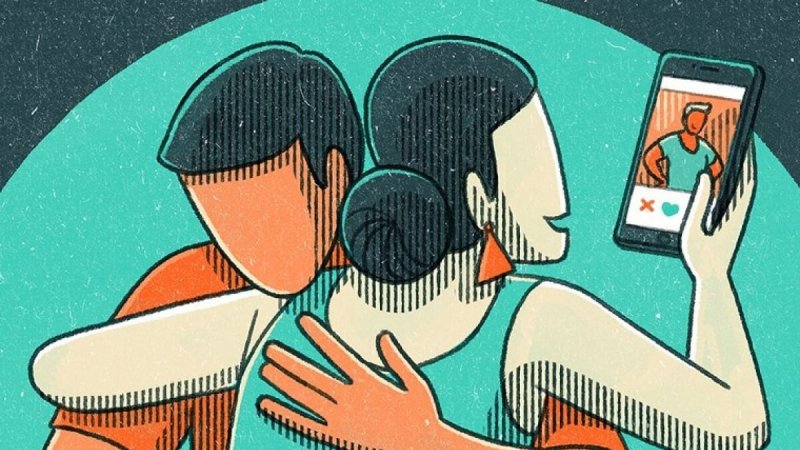
There are many reasons why people cheat, and the patterns are more complex than common stereotypes suggest. A fascinating new study sheds some light on these motivations.

The investigation included 495 people (87.9 percent of whom identified as heterosexual), who were recruited through a participant pool at a large U.S. university and through Reddit message boards with relationship themes. The participants admitted to cheating in their relationship and answered the question at the root of the mystery: Why did you do it? An analysis revealed eight key reasons: anger, self-esteem, lack of love, low commitment, need for variety, neglect, sexual desire, and situation or circumstance. These motivations not only influenced why people cheated but how long they did so, their sexual enjoyment, their emotional investment in the affair and whether their primary relationship ended as a result.


Mis- and disinformation are distorting science and public policy. Subscribe to our Daily and Weekly Digests for incisive coverage of ‘disruptive’ innovations in AI, agricultural biotechnology, food, chemicals, nuclear energy, vaccines, and other disruptive innovations.

So is an affair really a relationship killer? Ultimately, the fate of the participants’ primary relationship depended less on the act itself and more on what motivated it. Cheating was more likely to end a relationship when it arose from anger, lack of love, low commitment or neglect. And it was less likely to do so when the infidelity was circumstantial. Surprisingly, only one in five (20.4 percent) of relationships ended because of the affair.


Read the original post

Related Articles

Infographic: Global regulatory and health research agencies on whether glyphosate causes cancer

Infographic: Global regulatory and health research agencies on whether glyphosate causes cancer

Does glyphosate—the world's most heavily-used herbicide—pose serious harm to humans? Is it carcinogenic? Those issues are of both legal and ...

Most Popular

Screenshot-2026-10-01-at-10.52.08-AM
Non-browning CRISPR gene-edited bananas move one step closer to British markets
AI-Force-Leadership-Portrait
Jay Clayton controversy: The divisive history of Trump’s newly-appointed AI czar
Screenshot-2026-09-22-at-10.54.12-AM
‘They misunderstand science’: Research attempting to tie autism to changes in the gut microbiome comes under fire
ChatGPT-Image-Mar-10-2026-01_39_01-PM
Viewpoint—“Miracle molecule” debunked: Why acemannan supplements don’t work
Elderly-Speaker-at-MAHA-Institute
At anti-vaccine MAHA conference, RFK Jr. pledges to unify federal health information and combat vaccine safety ‘misinformation’
ChatGPT-Image-Sep-21-2026-11_21_39-AM
Viewpoint: Food cults: Online ‘nutrition communities’ can pose unique dangers
ChatGPT-Image-Sep-10-2026-10_36_07-AM
Viewpoint: Even lousy scientific articles can shield authors when they hype dubious health claims and products
Screenshot 2026-10-01 at 12.30
Combating ‘narrative distortion’: Will pharma companies step up to challenge health misinformation?
ChatGPT-Image-Sep-21-2026-03_15_09-PM
Viewpoint: Chipotle-inspired lesson: 10,000 sick customers suggest that processed foods can be safer than fresh ones
generated-1790707585414
Facts & Fallacies podcast: America's health care system is broken. A doctor explains how to fix it
glp menu logo outlined

Get news on human & agricultural genetics and biotechnology delivered to your inbox.