Video: Curious about the full implications of the CRISPR gene editing revolution? Here’s a primer

Credit: Medium
Credit: Medium

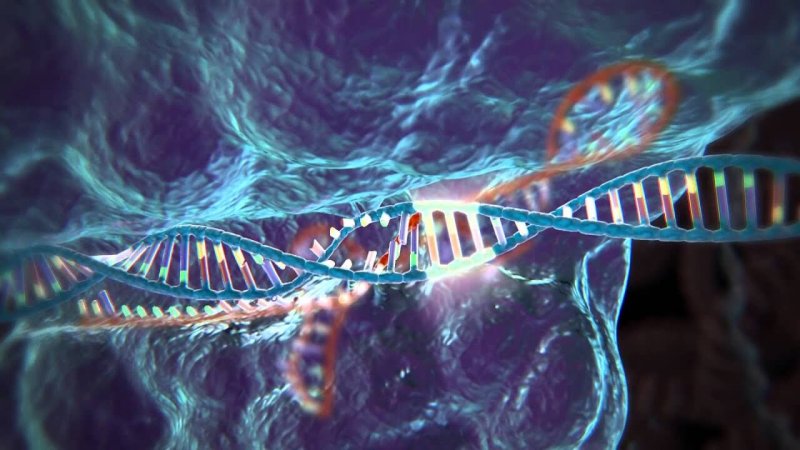
With CRISPR, a group of enzymes recognize certain repeats, and break the DNA there to insert important information in the middle. These insertions are called “spacers,” and they contain the genetic code of different viruses that have invaded in the past.

Such previous invasions served a very important evolutionary purpose: immunizing against foreign threats.

Researchers have found lots of applications for CRISPR in animals, like making disease-resistant chickens and pigs, and mosquitos that can’t bite or lay eggs. But they’ve got many projects underway, like making disease-resistant crops—including wine grapes. More ambitiously, they’re working to genetically alter pigs so their organs could be transplanted into humans. And bring extinct species such as the passenger pigeon back to life, by tweaking the genomes of similar birds.

When it comes to the human genome, though, scientists have been more hesitant. Editing our own DNA could easily end up causing more problems than it solves.

Follow the latest news and policy debates on sustainable agriculture, biomedicine, and other ‘disruptive’ innovations. Subscribe to our newsletter.

CRISPR has given science a tool to reliably tinker with the code of life. But the question remains: can we do so safely and ethically, while avoiding the unintended consequences of such power?


Read the original post

{{ reviewsTotal }}{{ options.labels.singularReviewCountLabel }}
{{ reviewsTotal }}{{ options.labels.pluralReviewCountLabel }}
{{ options.labels.newReviewButton }}
{{ userData.canReview.message }}

Related Articles

Infographic: Global regulatory and health research agencies on whether glyphosate causes cancer

Infographic: Global regulatory and health research agencies on whether glyphosate causes cancer

Does glyphosate—the world's most heavily-used herbicide—pose serious harm to humans? Is it carcinogenic? Those issues are of both legal and ...

Most Popular

ChatGPT-Image-Jun-21-2026-02_33_08-PM
Texas Air Force base flu outbreak soars to over 220 cases, and one soldier has died after Secretary Hegseth scrapped mandatory military flu shots 
ChatGPT-Image-Jun-15-2026-11_51_00-AM-4
Viewpoint: As the International Association for Research on Cancer loses influence, activists and trial lawyers scramble to protect a lucrative playbook
screenshot pm
Which is better for building healthy farm soil? Organic offers no special edge.
ChatGPT-Image-Jun-19-2026-04_11_20-PM
Daubert for Dummies—Scientific Reliability in U.S. Courts: Daubert, Rule 702, and Made-for-Litigation Evidence
wuhan institute of virology main entrance
​​COVID lab leak? Making a case that the Wuhan market origins theory is wrong
ChatGPT-Image-Jun-9-2026-01_11_37-PM
Turmeric supplements: More risks than benefits
ChatGPT-Image-Jun-13-2026-11_51_39-AM
Viewpoint: COVID lab leak? Misguided backers of the lab leak theory refuse to give up
ChatGPT-Image-Jun-19-2026-05_21_35-PM
The American Medical Association doctors declare war on RFK, Jr.’s attack on safe vaccines
Screenshot-2026-06-18-at-11.41.51-AM
Viewpoint—Protecting baloney science: Far right senators move to protect the phony homeopathy industry
Screenshot-2026-06-19-at-4.53.19-PM
Viewpoint: How the Trump administration is thwarting the will of Congress and starving American science
ChatGPT-Image-Mar-10-2026-01_39_01-PM
Viewpoint—“Miracle molecule” debunked: Why acemannan supplements don’t work
Screenshot-2026-06-05-at-2.12.30-PM
Some plants can poison you. So how did humans figure out what is safe to eat?
Screenshot-2026-06-17-at-9.44.03-AM
Viewpoint: Embryos are becoming the newest battleground of love, loss, and legal uncertainty
ChatGPT-Image-Jun-11-2026-01_15_03-PM
Selective Pressure, Selective Silence
glp menu logo outlined

Get news on human & agricultural genetics and biotechnology delivered to your inbox.