The de-extinction club: Scientists plot to restore the Tasmanian tiger and other extinct species

A thylacine, also known as a Tasmanian tiger, in captivity in the early 20th century. Credit: Popperfoto/Getty Images

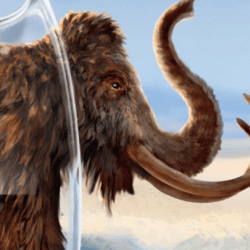
[Paleontologist Michael Archer] is part of the “de-extinction club”: a growing group of scientists working to harness genetic engineering and cloning to reach into the past – and resurrect extinct animals. Top of the list are the thylacine and the woolly mammoth. 

Archer and others say the unnatural pace of climate change and habitat destruction mean bringing back key species may now be the only way to stop ecosystems from collapsing. Harvard University’s renowned geneticist George Church, himself working to return the mammoth to the Arctic tundra, says reviving some species could even help combat the effects of global warming. 

But others, such as [ecologist Euan] Ritchie, warn that it might put the wild in jeopardy all over again, or pull vital focus from the urgent work underway to save those species we do have left.

Mis- and disinformation are distorting science and public policy. Subscribe to our Daily and Weekly Digests for incisive coverage of ‘disruptive’ innovations in AI, agricultural biotechnology, food, chemicals, nuclear energy, vaccines, and other disruptive innovations.

Archer argues that conventional conservation efforts “aren’t cutting the mustard” and the time has come for extraordinary intervention – an ark of sorts. “Normally, nature fills the vacancies from a big extinction event like this. But we’re not leaving any room for that this time. So we’re really in uncharted territory. And we have to be smart.” 

Read the original post

Related Articles

Infographic: Global regulatory and health research agencies on whether glyphosate causes cancer

Infographic: Global regulatory and health research agencies on whether glyphosate causes cancer

Does glyphosate—the world's most heavily-used herbicide—pose serious harm to humans? Is it carcinogenic? Those issues are of both legal and ...

Most Popular

ChatGPT-Image-Mar-10-2026-01_39_01-PM
Viewpoint—“Miracle molecule” debunked: Why acemannan supplements don’t work
psychedelics ptsd neurosciencnews public
Chaos or at peace with the world: The complex ways psychedelics transform the brain
Diet Soda with Measuring Tape 2
Science challenges anti-soda activists: No, sodas won’t make you fat
Rustic Skillet of Raw Brains
‘Weird food’? Testicle- and brain-eating, supplement-gulping MAHA health food enthusiasts defend their ‘natural’ diets
Strawberry Clamshell with Warning Sticker
Viewpoint: Activists hype ‘dangerous level’ of pesticide residues in Driscoll berries: Separating health concerns from fear-mongering
Silhouettes Beneath the Mosquito Nets
Guinea-Bissau halts widely condemned RFK Jr.-backed vaccine trial that would have withheld life-saving vaccines from thousands of newborns
Nutrition and Supplements Infinity Collage
Drugs and supplements can extend life and five other longevity myths
glp menu logo outlined

Get news on human & agricultural genetics and biotechnology delivered to your inbox.