Net carbon zero by 2050? Here’s the reality behind the slogan

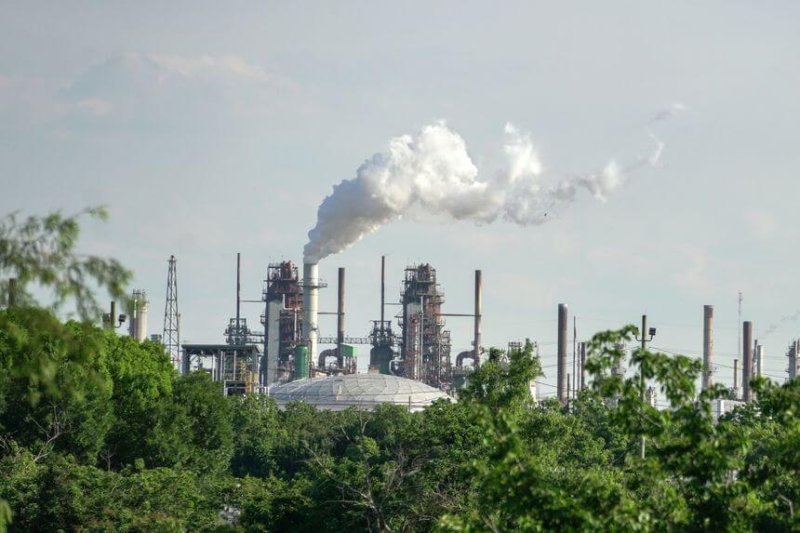
Credit: Kathleen Flynn/Reuters

Over 120 countries — from highly industrialized nations like Canada, Germany, and the UK to developing economies such as Myanmar, Sudan, and Tuvalu — have set their sights on reducing greenhouse gas (GHG) emissions to less than the amount that can be captured, either naturally or through new technologies.

…

Much of the focus on meeting this target has been on making the biggest emitting sector, energy, less carbon-intensive. But with a recent global analysis finding that agrifood systems account for a third of global emissions, any climate action plan that does not include dramatic changes to the way the world produces and consumes food is bound to fail. 

The good news is that solutions to cut food-related emissions already exist, from soil-friendly farming methods to low-methane alternative proteins and supply chains powered by renewables.


Mis- and disinformation are distorting science and public policy. Subscribe to our Daily and Weekly Digests for incisive coverage of ‘disruptive’ innovations in AI, agricultural biotechnology, food, chemicals, nuclear energy, vaccines, and other disruptive innovations.

The bad news is that achieving this will require transformation at multiple levels and across many sectors, including a rethink around the vast amount of public money given to the agricultural sector every year – more than $600 billion globally, according to the UK’s Overseas Development Institute.

It will be an uphill battle, but not impossible, experts tell AFN. 

Read the original post

Related Articles

Infographic: Global regulatory and health research agencies on whether glyphosate causes cancer

Infographic: Global regulatory and health research agencies on whether glyphosate causes cancer

Does glyphosate—the world's most heavily-used herbicide—pose serious harm to humans? Is it carcinogenic? Those issues are of both legal and ...

Most Popular

ChatGPT-Image-Mar-10-2026-01_39_01-PM
Viewpoint—“Miracle molecule” debunked: Why acemannan supplements don’t work
Screenshot-2026-09-28-at-11.26.17-AM
Viewpoint: Wellness movement activists reposition nicotine from a killer addictive drug into a cure-all for brain ills
Screenshot-2026-10-02-at-9.11.36-AM
The genetics of personality
strand of dna genetics
No, GMO foods do not “damage genes, natural disposition and hormones, or decrease physical health and intelligence”
Radioactive-Americana-Collage-2
The kooky logic behind the raft of spurious cancer claims from Harvard’s T.H. Chan School of Public Health
Screenshot-2026-10-02-at-8.56.38-AM
Trump finalizes Medicare drug price cuts, drawing Big Pharma’s fury and a legal challenge
Screenshot-2026-10-01-at-10.52.08-AM
Non-browning CRISPR gene-edited bananas move one step closer to British markets
Screenshot-2026-10-02-at-11.12.24-AM
‘Why do we keep falling for this stuff?’ America’s love affair with snake oil salesmen and scams
Screenshot-2026-09-22-at-10.54.12-AM
‘They misunderstand science’: Research attempting to tie autism to changes in the gut microbiome comes under fire
AI-Force-Leadership-Portrait
Jay Clayton controversy: The divisive history of Trump’s newly-appointed AI czar
ChatGPT-Image-Sep-21-2026-11_21_39-AM
Viewpoint: Food cults: Online ‘nutrition communities’ can pose unique dangers
glp menu logo outlined

Get news on human & agricultural genetics and biotechnology delivered to your inbox.