How epigenetics is poised to revolutionize food, farming and animal agriculture

Credit: Nature
Credit: Nature

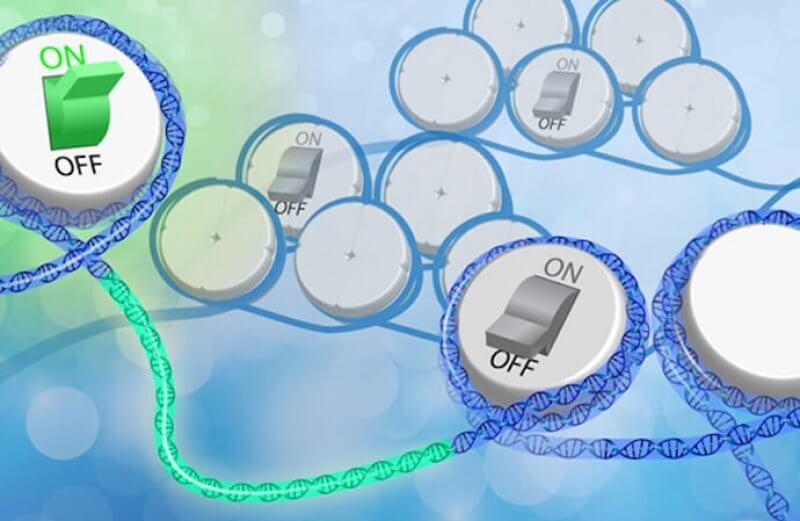
Epigenetics studies the chemical compounds and proteins that can attach to DNA and direct the actions to turn a specific gene “on” or “off” – expressing or silencing a gene.

Think of a symphony orchestra. Epigenetics would be the conductor, who with just a gesture of the baton, conveys the message to quiet the strings while turning up the horns. The symphony as a whole remains intact, but the sound changes entirely.

Aquaculture: Research is exploring methods of using epigenetics to confer heat tolerance to coral reefs, as well as improving feed and selecting traits for adaptation to pathogens, disease and impacts of climate change. The idea is to tailor the fish to its aquaculture environments, and so maximize commercial production in a safe, effective and sustainable way. 

Animal health: Livestock nutrition is an emerging area for epigenetic research, examining ways to help animals increase their nutrient uptake or better process feeds. 

Follow the latest news and policy debates on sustainable agriculture, biomedicine, and other ‘disruptive’ innovations. Subscribe to our newsletter.

In addition to these research areas, applications from human health – in precision nutrition and personalized medications, monitoring of disease, and therapeutic treatments (epidrugs) – will almost certainly be modeled for other plant and animal species. 

This is why epigenetics advances deserve more attention, from researchers, investors and consumers alike. 

Read the original post

{{ reviewsTotal }}{{ options.labels.singularReviewCountLabel }}
{{ reviewsTotal }}{{ options.labels.pluralReviewCountLabel }}
{{ options.labels.newReviewButton }}
{{ userData.canReview.message }}

Related Articles

Infographic: Global regulatory and health research agencies on whether glyphosate causes cancer

Infographic: Global regulatory and health research agencies on whether glyphosate causes cancer

Does glyphosate—the world's most heavily-used herbicide—pose serious harm to humans? Is it carcinogenic? Those issues are of both legal and ...

Most Popular

Screenshot-2026-06-17-at-12.31.01-PM
Viewpoint: The dangerous influence of ‘woke’ post-modernism in science
ChatGPT-Image-Mar-4-2026-09_39_03-AM
Transgender female athletes and Title IX: Separating ‘policy’ from ‘legality’
marijuana-pot-in-hand-nveri-st-xpm-t-abq-fkifeos-s-rws-cmpx-
Facts & Fallacies podcast: Legalized weed drives drug addiction, psychosis?
ChatGPT-Image-Mar-10-2026-01_39_01-PM
Viewpoint—“Miracle molecule” debunked: Why acemannan supplements don’t work
ChatGPT-Image-Jun-25-2026-12_23_17-PM
No, Bill Gates did not secretly engineer ticks to promote veganism
photodune farming tractor s
Viewpoint: Glyphosate may be hazardous, but it is not dangerous as used by farmers. Critics of the Supreme Court’s Roundup ruling garble hazard with risk
Screenshot-2026-06-30-at-2.06.25-PM
PEW study: The sick state of American health information
ChatGPT-Image-Jun-25-2026-01_14_50-PM
Viewpoint: Disinformation grift: The wellness industry is a lucrative and mostly worthless marketplace of ‘balms, brews, and baloney’
ChatGPT-Image-Jun-30-2026-11_55_58-AM
Viewpoint—Junk science: How predatory mass tort lawyers twist facts, scare the public about phantom chemical risks, and cash in on billion-dollar settlements
Trans-flag
Explaining the Supreme Court ruling empowering states to ban transgender female athletes from competing in women’s sports
Sampling_a_strawberry_32206461974
Viewpoint: Which is worse: Trace PFAS ‘forever chemicals’ on strawberries or the fear that scares people away from eating them?
ChatGPT-Image-Jun-19-2026-04_11_20-PM
Daubert for Dummies—Scientific Reliability in U.S. Courts: Daubert, Rule 702, and Made-for-Litigation Evidence
glp menu logo outlined

Get news on human & agricultural genetics and biotechnology delivered to your inbox.