Could CRISPR gene editing be a solution to antibiotic-resistant superbugs?

Credit: SciencePhoto

The fast rise in antibiotic resistance is one of the world’s most concerning health issues. Antibiotic-resistant infections kill about 700,000 people each year, according to the World Health Organization (WHO). A 2018 study by the European Centre for Disease Control and Prevention found that these so-called superbugs were responsible for 33,000 deaths  every year in the EU alone.

Scientists are struggling to keep up with resistant bacteria in developing new antibiotics.

Follow the latest news and policy debates on sustainable agriculture, biomedicine, and other ‘disruptive’ innovations. Subscribe to our newsletter.

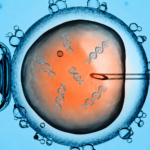
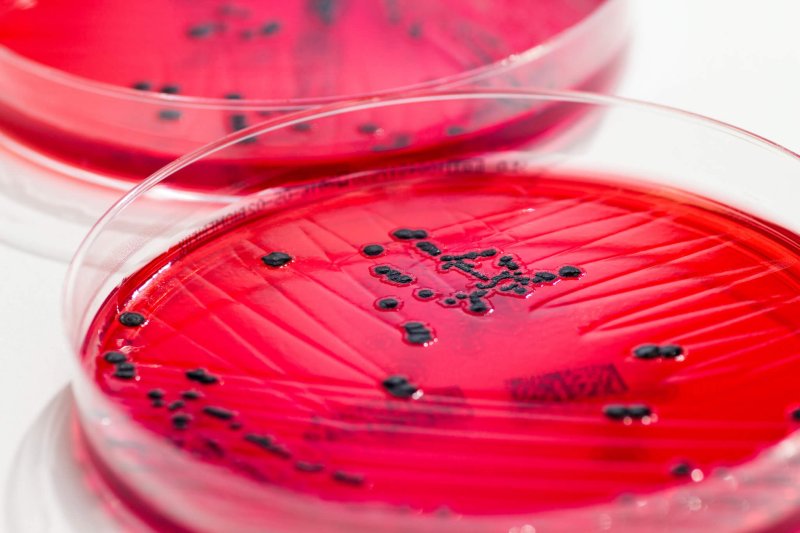
In a recent study, researchers managed to kill resistant bacteria in mice guts. This method, which is still being researched, uses the famous Nobel Prize winning gene-editing technology, CRISPR-Cas9.

Scientists from the University of Sherbrooke in Canada used the technology, which works like “genetic scissors,” to delve inside resistant bacteria and cut vital “genetic wires,” which disabled the bacteria, killing them from within.

This result is not only promising because the bacteria were successfully killed, but also because CRISPR-Cas9 specifically targeted harmful bacteria, as opposed to killing off a whole bunch of good bacteria alongside the harmful bacteria — which is what antibiotics do.


This is an excerpt. Read the original post here. 

{{ reviewsTotal }}{{ options.labels.singularReviewCountLabel }}
{{ reviewsTotal }}{{ options.labels.pluralReviewCountLabel }}
{{ options.labels.newReviewButton }}
{{ userData.canReview.message }}

Related Articles

Infographic: Global regulatory and health research agencies on whether glyphosate causes cancer

Infographic: Global regulatory and health research agencies on whether glyphosate causes cancer

Does glyphosate—the world's most heavily-used herbicide—pose serious harm to humans? Is it carcinogenic? Those issues are of both legal and ...

Most Popular

Screenshot-2026-04-14-at-11.11.06-AM
‘Turbo cancer’ or mRNA cancer cure? Strategies to counter misinformation
ChatGPT Image May 28, 2026, 08_16_38 PM
Viewpoint: Why the EPA mismeasures cancer risk of chemicals and what should be done to fix it
fda_logo_decimated
Viewpoint: RFK, Jr.’s FDA is on a screaming downward path—and why it may never recover
ChatGPT-Image-May-22-2026-10_56_42-AM-2
‘It’s not super useful’: As wariness about AI grows, Trump proposes rollback of healthcare safeguards
edb7f6d7-2370-418f-9578-74e29678e35c
Facts & Fallacies Podcast: Nicotine vaping—public health miracle, or risk to children? Professor Cliff Douglas
ChatGPT-Image-May-28-2026-11_31_47-AM-2
Relying on your doctor or AI miracle cure, death and debilitation? Neurologist makes the wrong choice
ChatGPT-Image-May-22-2026-10_26_09-AM
Gutting the National Science Board: How the Trump-RFK, Jr. crusade is erasing the separation of science and state
Screenshot-2026-05-27-at-10.51.25-AM
Viewpoint: ‘Monsanto’ blues—Planned Netflix movie promises yet another round of anti-glyphosate disinformation
ChatGPT-Image-Mar-10-2026-01_39_01-PM
Viewpoint—“Miracle molecule” debunked: Why acemannan supplements don’t work
ChatGPT-Image-May-26-2026-11_51_01-AM
Viewpoint: RFK, Jr.’s ‘sadistic’ solution to autism, depression, and other ills looks a lot like prison camp
vax-misinformation-main
Facts & Fallacies Podcast: Limit free speech to blunt social media misinfo?
Picture1
The Orange Bowl without oranges: Can CRISPR save Florida citrus?

Sorry. No data so far.

glp menu logo outlined

Get news on human & agricultural genetics and biotechnology delivered to your inbox.