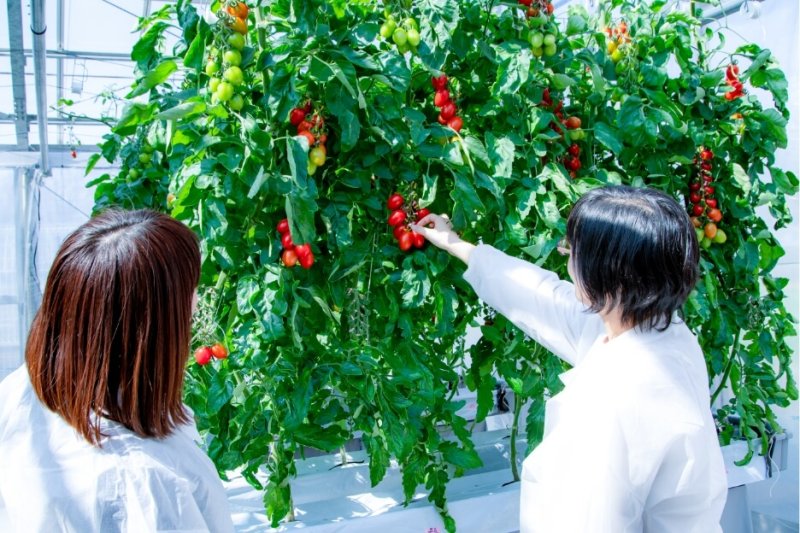
Why is gene editing so controversial in food and farming?

Credit: SanaTech
Credit: SanaTech

Advocates of genome editing, including big seed companies, say the technology is simply speeding up what already happens in nature or through traditional breeding methods, and that therefore, the risks are minimal.

They also argue that tools like CRISPR-Cas9 are more precise than earlier genetic engineering techniques, so there is less risk that a useful gene is destroyed in the process.

Critics contend that genome editing can create a range of changes to the genome in plants that pose risks to biodiversity, water and soil, human health, and organic food production. Some are concerned that such crops could outcompete natural species and create broad monocultures, which could wreak havoc on ecosystems. Some of the risks aren’t fully understood, many argue.

There are also ethical and social questions about when and where the technology should be used, and who has access to the seeds.

Follow the latest news and policy debates on sustainable agriculture, biomedicine, and other ‘disruptive’ innovations. Subscribe to our newsletter.

The regulatory landscape is in a state of flux as technological development and climate change concerns prompt many countries to change long-standing policies on genetic engineering. Regulation influences requirements for safety checks and whether genome-edited products should be labelled differently.


This is an excerpt. Read the original post here.

{{ reviewsTotal }}{{ options.labels.singularReviewCountLabel }}
{{ reviewsTotal }}{{ options.labels.pluralReviewCountLabel }}
{{ options.labels.newReviewButton }}
{{ userData.canReview.message }}

Related Articles

Infographic: Global regulatory and health research agencies on whether glyphosate causes cancer

Infographic: Global regulatory and health research agencies on whether glyphosate causes cancer

Does glyphosate—the world's most heavily-used herbicide—pose serious harm to humans? Is it carcinogenic? Those issues are of both legal and ...

Most Popular

Screenshot-2026-04-22-at-12.21.32-PM
Viewpoint: Why the retracted Monsanto glyphosate study doesn’t change the science—the world’s most popular herbicide is safe 
ChatGPT-Image-Apr-16-2026-02_56_53-PM
Financial incentives, over diagnosis, and weak oversight: Autism claims are driving up Medicare costs
Picture1
The FDA couldn’t find a vaccine safety crisis, so it buried its own research
global warming
‘Implausible’: Top climate scientists reject worst-case scenario—soaring temperatures and fast-rising sea levels
ChatGPT-Image-May-1-2026-11_42_59-AM-2
Viewpoint: NAD is the wellness grifters latest evidence-lite longevity fad. At least the mice are impressed.

Sorry. No data so far.

glp menu logo outlined

Get news on human & agricultural genetics and biotechnology delivered to your inbox.