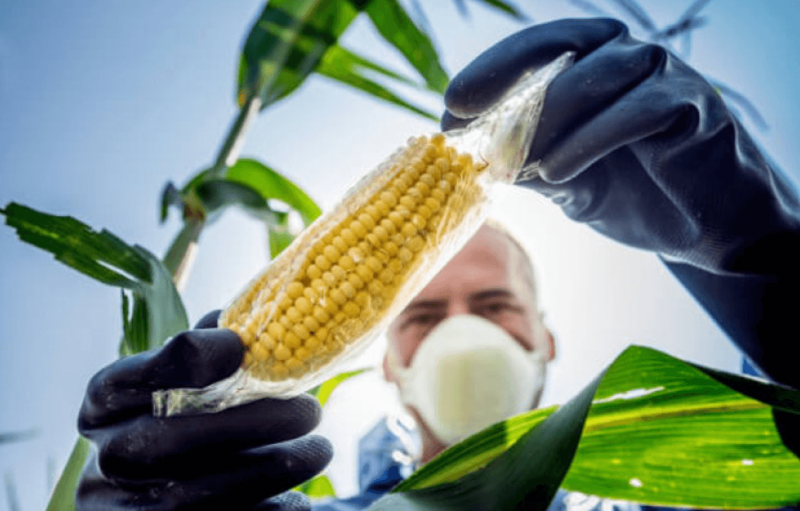
Even if not much has changed in practice at first, it was a signal of great symbolic importance: on March 18, 2022, the Swiss Parliament decided that plants grown with new methods such as gene scissors CRISPR/Cas were bred and in which no new transgenic genetic material was inserted, no longer conventional genetically modified plants (GMO) are equated.
It was a surprising turn. There has been a strict ban on the use of genetically modified plants in Switzerland for many years. Adopted in a referendum in 2005, it has since been extended again and again every four years, just once again until 2025. But, unlike before, the moratorium that has now been decided will soon no longer include simple genome-edited plants, even if they can also be combined with conventional ones procedures could be bred. By 2024, the Federal Council – the Swiss government – is to present a proposal for “risk-based approval”.
It is still unclear what this will look like, whether it will exempt simple genome-edited plants from the declaration requirement, as requested by the Swiss Farmers’ Association. The “radical change of opinion” (NZZ) in both chambers of the Swiss Parliament is also an expression of a changed climate of opinion. A new generation of consumers is growing up who is demonstrably more open to “innovative solutions in agriculture”, the NZZ quotes a current study by ETH Zurich.
 Great Britain has already embarked on a new course and is using the freedoms that the exit from the EU will offer. In a first step, Parliament decided that in the future, field trials with simple genome-edited plants would no longer have to be applied for and approved in a time-consuming process. Now a simple registration is enough. New rules for approval and cultivation are to follow. With this, the British government wants to promote the research and development of new plants that, for example, “significantly reduce the use of pesticides and herbicides” and make them “more resistant to difficult weather conditions and climate change”.
But not only European neighbors like Switzerland and Great Britain have given up old, scientifically outdated positions. Numerous countries – including the major agricultural exporters in South and North America – have now adapted the rules for the approval and cultivation of genome-edited plants. These are no longer subject to the laws that have applied to genetically modified plants for many years, regardless of the differences. Essentially, almost all countries are based on the broad scientific consensus that has emerged in recent years.
- If in a genome-edited plant there is no foreign DNA present and would also have them under natural conditions by accidental ones mutation can develop, it is evaluated like a classically cultivated plant. There are no fundamental differences in terms of security.
- However, if new genes or larger sections of DNA are inserted using genome editing processes genome been inserted, such plants are usually considered GMOs and fall under the genetic engineering laws. They must meet the same security requirements.
Some countries – such as Argentina, Australia or Israel – are already following these principles. Others – such as the USA, Canada, Brazil or Japan – prescribe a case-by-case procedure: research institutes or companies that want to test a genome-edited plant in the field or market it as seed must explain this to the approval authorities whether the conditions for deregulation apply.




China also announced at the beginning of the year that it would simplify the approval of genome-edited plants.
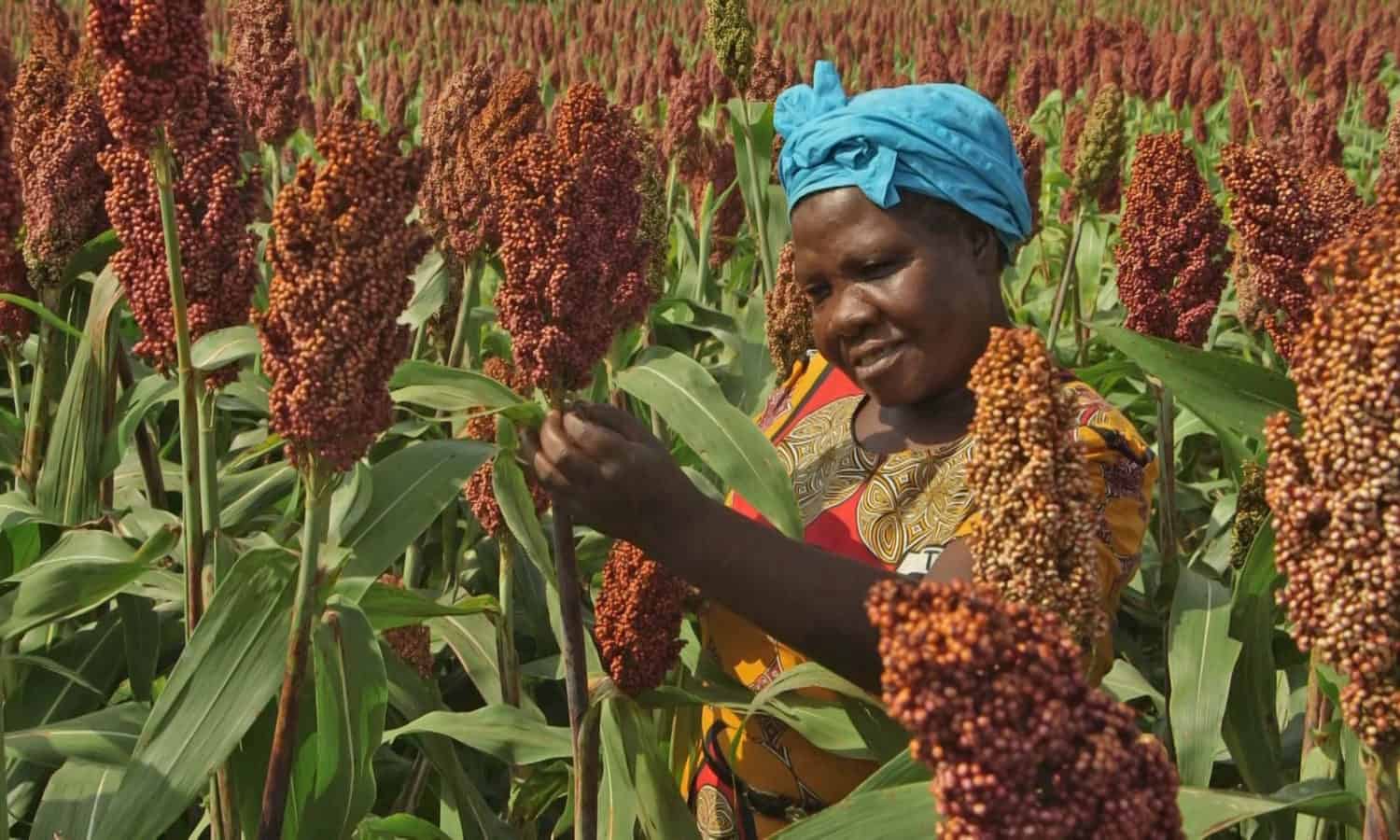
After Nigeria, Kenya is the second African country to have implemented its own guidelines for evaluating genome-edited plants. Here, too, a decision should be made on a case-by-case basis as to whether a newly developed genome-edited plant is to be released or is subject to special conditions. In Kenya, there are a number of research projects on regionally important crops such as sorghum (millet), bananas and maize. The goals are resistance to local diseases and pests as well as improved drought tolerance.
And the EU? Almost four years have passed since the memorable judgment of the European Court of Justice (ECJ), which subjects all genome-edited plants to the 25-year-old Genetic Engineering Act. After much hesitation, the EU Commission has finally launched a multi-stage advisory process with the aim of “adapting the genetic engineering laws to scientific and technical progress” and thus “enabling innovations in agriculture”. The Commission intends to present its proposal in mid-2023. Then follow complicated, certainly controversial deliberations in Parliament and the Council of Ministers. It takes years for them to come to an end.
Many countries outside the EU will then have already gained a lot of experience as to whether and how easier handling of the new breeding techniques can promote innovations and contribute to sustainable agriculture.
[Editor’s note: This article was originally published in German and has been translated and edited for clarity.]
A version of this article was originally posted at Transparenz Gentechnik and is reposted here with permission. TransGEN can be found on Twitter @transgen_info