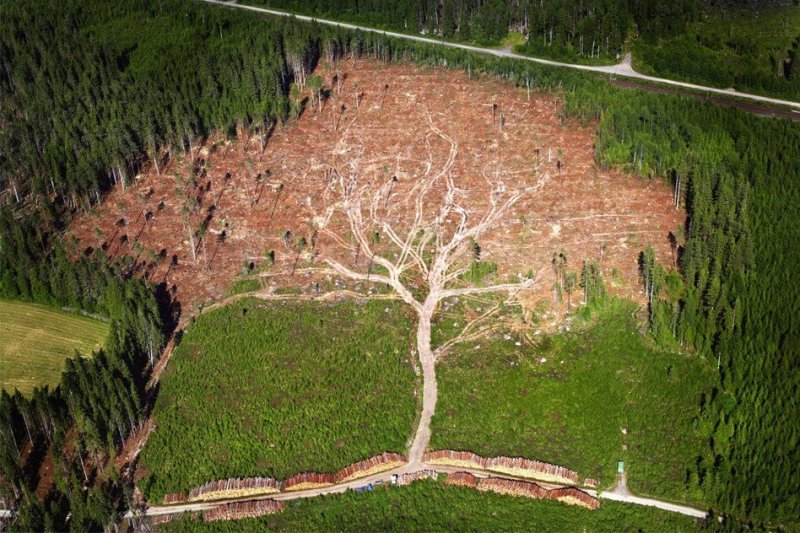

The world has plenty of nutrients. They circulate between air, soil, sea, living plants and animals. Neither population growth nor meat meals remove them.
The Eat-Lancet report was criticized in 2019 for its solutions, but the most important was a credible message that the planet can provide sustainable food for a growing population.
It’s tempting to waste. Even in a threatening food crisis, it is ten to a hundred times more profitable to use land for asphalt and concrete, than for photosynthesis.
At present, it is probably five to ten times more expensive to produce sustainable protein than to import from countries that deforest.
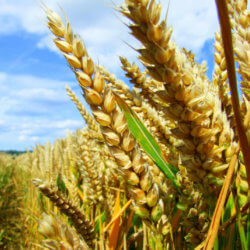

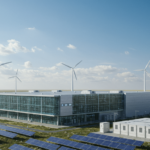


We have possible solutions. Yield levels in normal grain production can be increased. We can choose from a nearly unlimited variety of organisms and technologies:
- Insects can convert food waste into high-quality protein, sugar and fat.
- We can capture and utilize CO 2 directly from the factory chimney and supply light and nutrients from air and water. It nourishes microorganisms. They carry out photosynthesis without using cultivated land, and circulate carbon, water and nutrients.
- We can refine twigs and chips, seaweed and grass into sugar and organic matter, extract nitrogen from the air and get yeast bacteria to supply protein.
[Editor’s note: This article was originally posted in Norwegian and has been translated and edited for clarity.]