Viewpoint: A science-backed case in support of organic farming

Credit: Research Leap

Conventional or intensive farming and gardening is dominated by monocultures – fields of crop plants and nothing else.

These are ecological deserts – they lack diversity and are consequently ecologically unstable. Pests, diseases and weeds want to invade them, so that as soon as people stop managing them, nature re-establishes biodiversity.

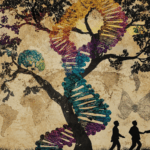
Ecological science has clearly shown the many benefits of biodiversity, including increased yield, improved soil health and water storage, lower pests, diseases and weeds, more beneficial insects, better overall resilience and stability. This is contrary to the teaching of conventional farming and gardening, but, the science is clear: the ecologists are right and the conventional agronomists are wrong; biodiversity is the answer.

Follow the latest news and policy debates on sustainable agriculture, biomedicine, and other ‘disruptive’ innovations. Subscribe to our newsletter.

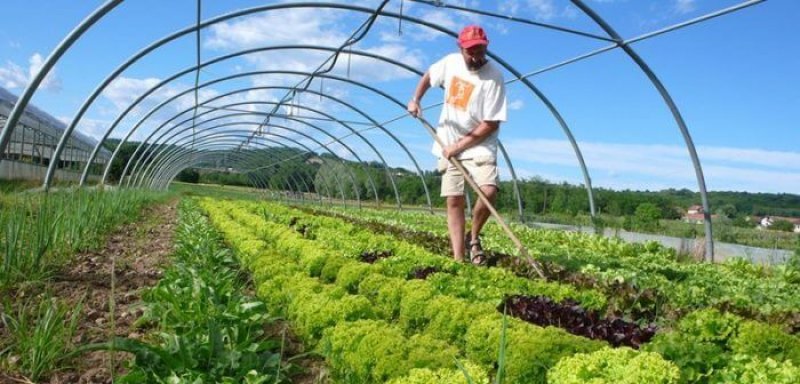
Intercropping is an organic technique where different plant species are planted together. In the home garden where we are typically harvesting a few plants at a time for dinner, where a plant is removed just replant something else in the gap that is left.

Again, the science is clear. You can massively increase the amount of produce per square metre using this approach, not only because you are making the best use of space, but, the interactions among the different plant species can boost their growth, and, by mixing things up, it becomes harder for pests and diseases to run rampant through your crops, and by keeping soil covered you block out weeds.


This is an excerpt. Read the original post here

{{ reviewsTotal }}{{ options.labels.singularReviewCountLabel }}
{{ reviewsTotal }}{{ options.labels.pluralReviewCountLabel }}
{{ options.labels.newReviewButton }}
{{ userData.canReview.message }}

Related Articles

Infographic: Global regulatory and health research agencies on whether glyphosate causes cancer

Infographic: Global regulatory and health research agencies on whether glyphosate causes cancer

Does glyphosate—the world's most heavily-used herbicide—pose serious harm to humans? Is it carcinogenic? Those issues are of both legal and ...

Most Popular

wuhan institute of virology main entrance
​​COVID lab leak? Making a case that the Wuhan market origins theory is wrong
ChatGPT-Image-Mar-10-2026-01_39_01-PM
Viewpoint—“Miracle molecule” debunked: Why acemannan supplements don’t work
ChatGPT-Image-Jun-9-2026-01_11_37-PM
Turmeric supplements: More risks than benefits
Screenshot-2026-06-05-at-2.12.30-PM
Some plants can poison you. So how did humans figure out what is safe to eat?
ChatGPT Image May 26, 2026, 08_42_17 AM (1)
Viewpoint: Greenpeace and poison: How environmental advocacy groups rely on compliant (and often ignorant) journalists to spread disinformation and spark litigation
Screenshot-2026-06-17-at-9.44.03-AM
Viewpoint: Embryos are becoming the newest battleground of love, loss, and legal uncertainty
ChatGPT-Image-Jun-14-2026-09_41_44-AM-2
Viewpoint—‘The gleeful efficiency of an arsonist’: Administration’s health and science research cuts are ‘sabotaging’ America’s future
ChatGPT-Image-Jun-11-2026-01_15_03-PM
Selective Pressure, Selective Silence
ChatGPT-Image-May-18-2026-12_06_18-PM-2
Defying death: The immortality movement goes mainstream

Sorry. No data so far.

glp menu logo outlined

Get news on human & agricultural genetics and biotechnology delivered to your inbox.