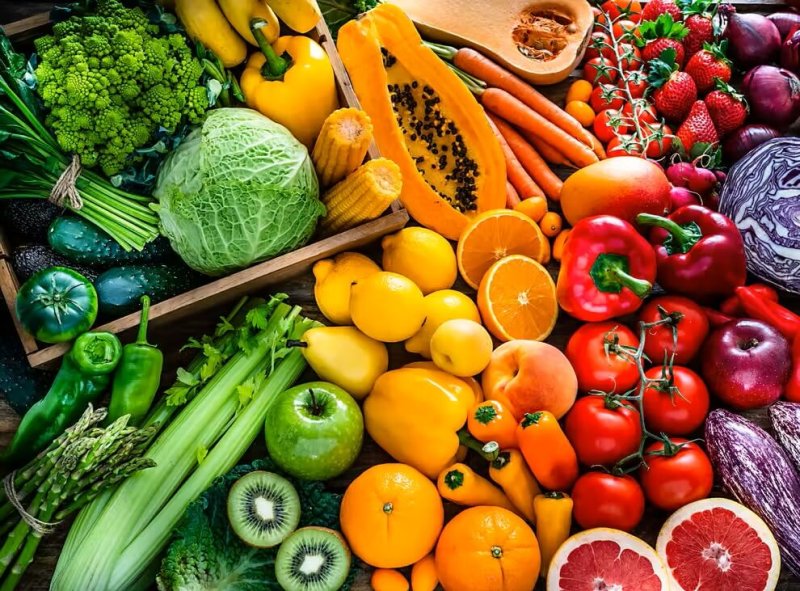
Viewpoint: Environmental Working Group’s scaremongering Dirty Dozen list of ‘pesticide coated’ fruits and veggies loses influence

Credit: Getty Images

The Environmental Working Group’s Dirty Dozen and Clean Fifteen shoppers guides to avoiding pesticide residue used to be a huge splash in the mainstream media world.

But it has lost its ability to shock and scare the past several years. The guides were released earlier in April, and Teresa Thorne, Executive Director of the Alliance for Food and Farming, said online and print media coverage was about the same as last year, which was the second lowest since AFF has tracked, behind 2020, which was the lowest.

“It is a notable accomplishment that there was no broadcast news coverage in 2022,” Thorne said.

Mis- and disinformation are distorting science and public policy. Subscribe to our Daily and Weekly Digests for incisive coverage of ‘disruptive’ innovations in AI, agricultural biotechnology, food, chemicals, nuclear energy, vaccines, and other disruptive innovations.

USA Today’s coverage may be the worst. It starts by stating, “What are the filthiest fruits and vegetables at the grocery store? Strawberries, spinach and kale, according to a new report.” Then what follows is what’s in the EWG’s news release.
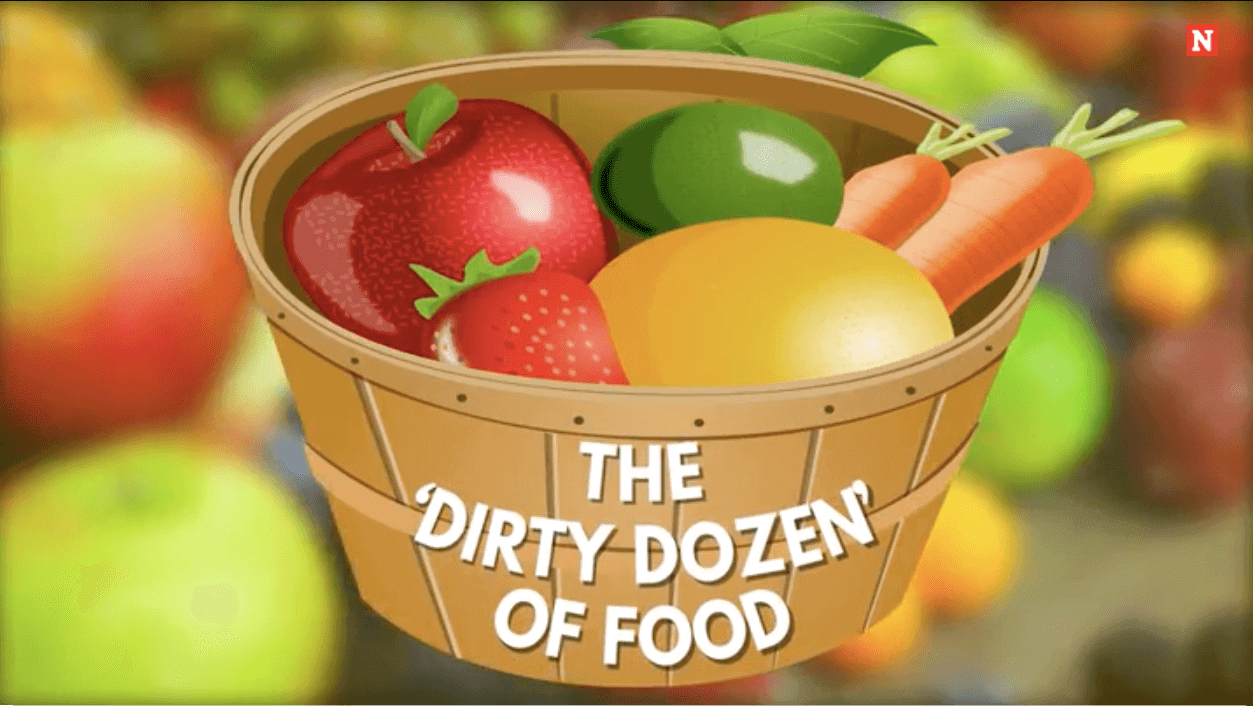
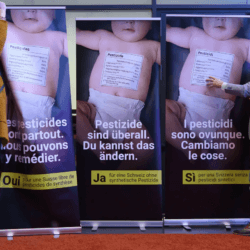
But it does quote AFF’s Thorne, who says, “Environmental Working Group’s goal to help families access fruits and vegetables with less pesticide exposure was achieved long ago.”

According to Thorne, the story says, 99.8% of the fruits and vegetables tested by the USDA under the Pesticide Data Program are well below the Environmental Protection Agency’s safety levels. A third have no detectable residues at all.


This is an excerpt. Read the original post here

Related Articles

Infographic: Global regulatory and health research agencies on whether glyphosate causes cancer

Infographic: Global regulatory and health research agencies on whether glyphosate causes cancer

Does glyphosate—the world's most heavily-used herbicide—pose serious harm to humans? Is it carcinogenic? Those issues are of both legal and ...

Most Popular

ChatGPT-Image-Sep-17-2026-12_28_43-PM
Vitamin D, omega-3 fish oil and glucosamine supplements could cause brain damage 
ChatGPT-Image-Mar-10-2026-01_39_01-PM
Viewpoint—“Miracle molecule” debunked: Why acemannan supplements don’t work
ChatGPT-Image-Sep-17-2026-10_17_15-AM
Viewpoint: Why are the less intelligent more likely to be conservative—and smarter people more socially liberal?
Screenshot-2026-08-12-at-11.31.46-AM
AI is helping develop new vaccines
Screenshot-2026-09-10-at-12.20.19-PM
'Jet fuel didn't melt the steel': 9/11 conspiracy theories debunked
Screenshot-2026-09-17-at-10.24.54-AM
Viewpoint: Dubious environmental fears: Why the AI buildout is critical to America’s ecological future
Screenshot 2026-09-11 at 12.39
Child-monitoring apps: When the cure is worse than the harm—and how the technology could be tweaked
Screenshot-2026-09-16-at-12.07.47-PM
The heated debate over trans athletes in the WNBA
ChatGPT-Image-Sep-9-2026-02_48_24-PM
Viewpoint: Trump-RFK Jr. report on “Gender Ideology & Left-wing Ideology’ targets LGBTQ community—and science
ChatGPT-Image-Sep-15-2026-12_15_00-PM
Viewpoint: Women, depression and empathy: Explaining the gender gap in views about child-murderer Lindsay Clancy
Screenshot-2026-09-10-at-11.50.46-AM
Did COVID vaccines kill 2,500 service members? RFK Jr. hires an investigator who compares vaccine promoters to Nazi doctors
glp menu logo outlined

Get news on human & agricultural genetics and biotechnology delivered to your inbox.