Kernza: The perennial wheat that could inject sustainability into commodity farming

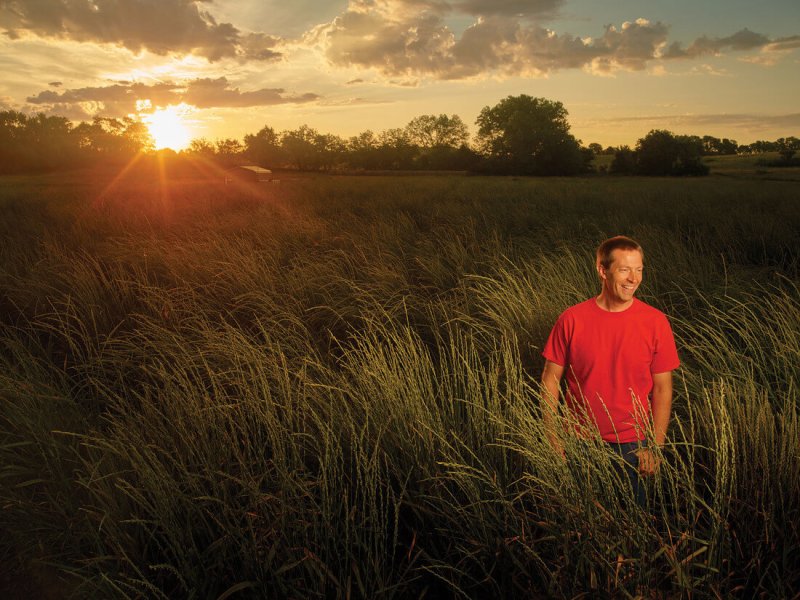
Credit: Bill Wadman
Credit: Bill Wadman

Most of the cereal crops we grow now, like corn, soy, and wheat, are annual crops. They’re planted and harvested every year. And the way most farmers grow those crops — with Nitrogen fertilizers and yearly tilling — damages the soil, pollutes the air, and contributes to climate change.

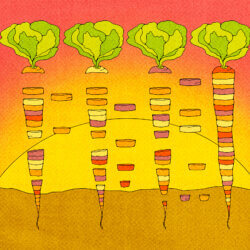
Kernza is different. It’s a perennial grain. Its roots stay in the ground for three or four years, growing up to 10 feet deep into the earth. While the plant above ground keeps producing grain each season, Kernza’s roots pull carbon out of the air, build healthy soil and make Kernza resilient to extreme climate events like droughts and floods. Plus, it produces a grain we can eat — which means farmers can sell it and turn a profit.

Follow the latest news and policy debates on sustainable agriculture, biomedicine, and other ‘disruptive’ innovations. Subscribe to our newsletter.

National brands are starting to pay attention: Whole Foods named Kernza among its top 10 food trends of 2022. But University of Iowa economist Silvia Secchi says that, for Kernza to actually replace the grains we grow now, we’ll need to see major changes to the U.S. farm bill first.

“You can’t just change the crops,” she said. “This is a whole system that we need to modify.”

This is an excerpt. Read the original post here

Related Articles

Infographic: Global regulatory and health research agencies on whether glyphosate causes cancer

Infographic: Global regulatory and health research agencies on whether glyphosate causes cancer

Does glyphosate—the world's most heavily-used herbicide—pose serious harm to humans? Is it carcinogenic? Those issues are of both legal and ...

Most Popular

ChatGPT-Image-Mar-10-2026-01_39_01-PM
Viewpoint—“Miracle molecule” debunked: Why acemannan supplements don’t work
Screenshot-2026-09-16-at-12.07.47-PM
The heated debate over trans athletes in the WNBA
Screenshot-2026-09-10-at-11.50.46-AM
Did COVID vaccines kill 2,500 service members? RFK Jr. hires an investigator who compares vaccine promoters to Nazi doctors
ChatGPT-Image-Sep-9-2026-02_48_24-PM
Viewpoint: Trump-RFK Jr. report on “Gender Ideology & Left-wing Ideology’ targets LGBTQ community—and science
Screenshot-2026-09-10-at-12.20.19-PM
'Jet fuel didn't melt the steel': 9/11 conspiracy theories debunked
Screenshot-2026-09-11-at-2.26.23-PM
Newly approved GMO chestnut trees planted across from the White House are stirring debate
ChatGPT-Image-Sep-15-2026-11_36_23-AM
Doomsday cult? Why we should be suspicious of end-of-the-world claims
ChatGPT-Image-Sep-15-2026-12_15_00-PM
Viewpoint: Women, depression and empathy: Explaining the gender gap in views about child-murderer Lindsay Clancy
Screenshot-2026-09-15-at-11.04.54-AM
Viewpoint: Childhood deaths in dispute: Why the CDC vs Pennsylvania conflict over measles vaccines matters
Screenshot-2026-09-14-at-4.31.14-PM
Viewpoint: What’s the likely impact when the EPA loosens rules limiting methane pollution from oil and gas wells?
Screenshot 2026-09-10 at 11.28
A meaty problem: How to make cell-grown protein taste like steak, chicken, and seafood
ChatGPT-Image-Sep-15-2026-05_59_18-PM
RFK Jr. spent two years distancing himself from Children’s Health Defense. Now he’s keynoting its anti-vaccine DC conference.
Screenshot-2026-09-17-at-12.38.46-PM
Outing students: California court says schools need not notify parents of their child’s gender identity—unless they ask
glp menu logo outlined

Get news on human & agricultural genetics and biotechnology delivered to your inbox.