Gene-powered tiny robots could repair the body from the inside out

Credit: Analytics Insight

The development of human beings from fertilized eggs to an adult body is often described as a “genetic program”. Is it possible that, like a computer program, our genetic system contains easter eggs accessible only from precise and unusual conditions?

A US-based team, consisting of Sam Kriegman, Douglas Blackiston, Michael Levin and Josh Bongard, has recently published a paper suggesting the answer is yes.

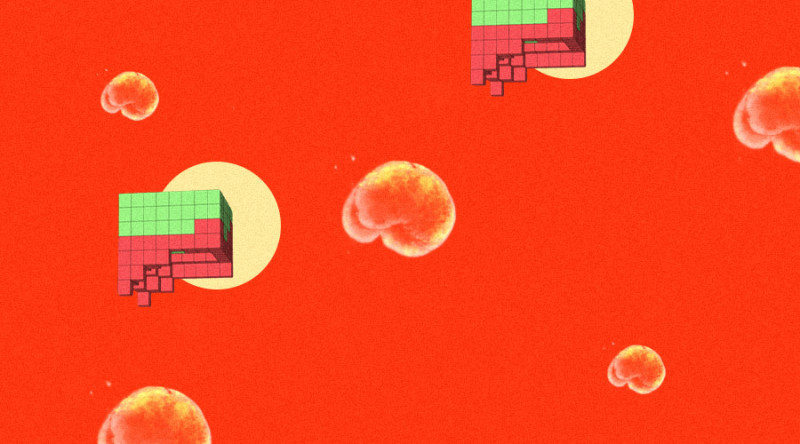
The team are pioneering the use of tiny autonomous robots made from living cells, with the hope they may be useful in fields such as medicine: imagine robots that can patrol the body and repair it.

Follow the latest news and policy debates on sustainable agriculture, biomedicine, and other ‘disruptive’ innovations. Subscribe to our newsletter.

Their latest work sought a way for their biorobots to reproduce, and began with a particular cell type from early frog embryos. Like all frog cells, these contained the normal genetic program that controls the familiar life cycle, from egg to tadpole to frog to more eggs.


The researchers did nothing to alter this natural genome. Instead, they placed the cells in culture, and piled some of them into small mounds while leaving the others as scattered single cells.

The mounds matured and gained the ability to move, thanks to the development and beating of small whip-like protrusions, cilia, on their lower surface.


This is an excerpt. Read the original post here

Related Articles

Infographic: Global regulatory and health research agencies on whether glyphosate causes cancer

Infographic: Global regulatory and health research agencies on whether glyphosate causes cancer

Does glyphosate—the world's most heavily-used herbicide—pose serious harm to humans? Is it carcinogenic? Those issues are of both legal and ...

Most Popular

ChatGPT-Image-Mar-10-2026-01_39_01-PM
Viewpoint—“Miracle molecule” debunked: Why acemannan supplements don’t work
Screenshot-2026-09-16-at-12.07.47-PM
The heated debate over trans athletes in the WNBA
Screenshot-2026-09-10-at-11.50.46-AM
Did COVID vaccines kill 2,500 service members? RFK Jr. hires an investigator who compares vaccine promoters to Nazi doctors
Screenshot-2026-09-11-at-2.26.23-PM
Newly approved GMO chestnut trees planted across from the White House are stirring debate
Screenshot-2026-09-10-at-12.20.19-PM
'Jet fuel didn't melt the steel': 9/11 conspiracy theories debunked
ChatGPT-Image-Sep-9-2026-02_48_24-PM
Viewpoint: Trump-RFK Jr. report on “Gender Ideology & Left-wing Ideology’ targets LGBTQ community—and science
Screenshot-2026-09-15-at-11.04.54-AM
Viewpoint: Childhood deaths in dispute: Why the CDC vs Pennsylvania conflict over measles vaccines matters
Screenshot 2026-09-10 at 11.28
A meaty problem: How to make cell-grown protein taste like steak, chicken, and seafood
ChatGPT-Image-Sep-15-2026-11_36_23-AM
Doomsday cult? Why we should be suspicious of end-of-the-world claims
ChatGPT-Image-Sep-15-2026-12_15_00-PM
Viewpoint: Women, depression and empathy: Explaining the gender gap in views about child-murderer Lindsay Clancy
Screenshot-2026-09-14-at-4.31.14-PM
Viewpoint: What’s the likely impact when the EPA loosens rules limiting methane pollution from oil and gas wells?
ChatGPT-Image-Aug-28-2026-03_33_46-PM
Viewpoint: Bad science—Five bogus Trump administration claims about vaccines and autism
ChatGPT-Image-Sep-15-2026-05_59_18-PM
RFK Jr. spent two years distancing himself from Children’s Health Defense. Now he’s keynoting its anti-vaccine DC conference.
glp menu logo outlined

Get news on human & agricultural genetics and biotechnology delivered to your inbox.