Viewpoint: Green groups urge ending biofuel use to address global food shortages

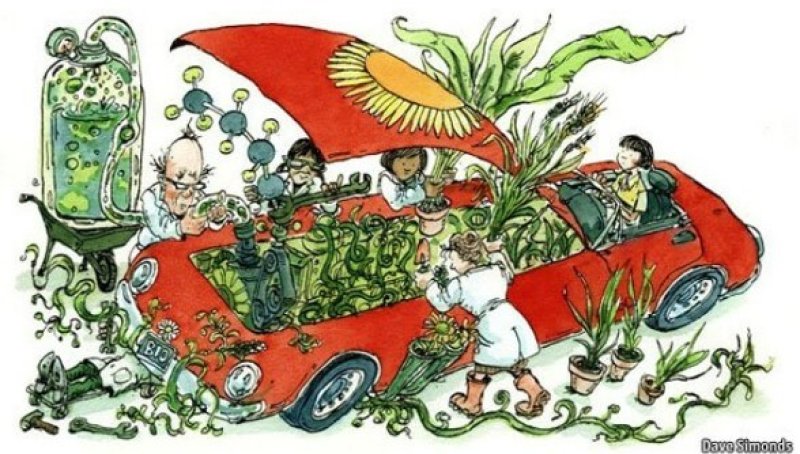
Put a moratorium on the use of biofuels and lift bans on genetic modification of crops, a green campaigning group has urged. Credit: Dave Simonds

The EU, the US and the UK are among countries that mandate the use of biofuels, usually mixed with petrol or diesel fuel, for road vehicles.

But much of the biofuel used derives from food crops, including wheat, maize and edible oils. The World Food Programme has warned that the rising prices of these staples, which has been driven by a combination of the Covid pandemic, climate breakdown and the war in Ukraine, is generating a food crisis around the world.

RePlanet found that although the original justification for biofuels was as a lower carbon alternative to fossil fuels, in fact, owing to the impact on food, the fertiliser and energy used to produce the grains and oils and the land converted to agriculture to produce biofuels, there is little carbon saving over fossil fuels.


Mis- and disinformation are distorting science and public policy. Subscribe to our Daily and Weekly Digests for incisive coverage of ‘disruptive’ innovations in AI, agricultural biotechnology, food, chemicals, nuclear energy, vaccines, and other disruptive innovations.

RePlanet also argues that consumers in rich countries should eat less meat to free up grain for people’s diets around the world, and that prohibitions around the world – particularly in the EU – on the genetic modification of crops should be lifted to make higher yields possible.

In another recommendation likely to be controversial, the report suggests that the EU’s organic targets should also be ditched in favour of conventional and intensive farming techniques to allow for higher productivity.


This is an excerpt. Read the original post here

Related Articles

Infographic: Global regulatory and health research agencies on whether glyphosate causes cancer

Infographic: Global regulatory and health research agencies on whether glyphosate causes cancer

Does glyphosate—the world's most heavily-used herbicide—pose serious harm to humans? Is it carcinogenic? Those issues are of both legal and ...

Most Popular

ChatGPT-Image-Sep-17-2026-12_28_43-PM
Vitamin D, omega-3 fish oil and glucosamine supplements could cause brain damage 
ChatGPT-Image-Mar-10-2026-01_39_01-PM
Viewpoint—“Miracle molecule” debunked: Why acemannan supplements don’t work
ChatGPT-Image-Sep-17-2026-10_17_15-AM
Viewpoint: Why are the less intelligent more likely to be conservative—and smarter people more socially liberal?
Screenshot-2026-08-12-at-11.31.46-AM
AI is helping develop new vaccines
Screenshot-2026-09-10-at-12.20.19-PM
'Jet fuel didn't melt the steel': 9/11 conspiracy theories debunked
Screenshot-2026-09-17-at-10.24.54-AM
Viewpoint: Dubious environmental fears: Why the AI buildout is critical to America’s ecological future
Screenshot 2026-09-11 at 12.39
Child-monitoring apps: When the cure is worse than the harm—and how the technology could be tweaked
Screenshot-2026-09-16-at-12.07.47-PM
The heated debate over trans athletes in the WNBA
ChatGPT-Image-Sep-9-2026-02_48_24-PM
Viewpoint: Trump-RFK Jr. report on “Gender Ideology & Left-wing Ideology’ targets LGBTQ community—and science
ChatGPT-Image-Sep-15-2026-12_15_00-PM
Viewpoint: Women, depression and empathy: Explaining the gender gap in views about child-murderer Lindsay Clancy
glp menu logo outlined

Get news on human & agricultural genetics and biotechnology delivered to your inbox.