Viewpoint: Europe’s Green Deal Farm to Fork strategy brings innovation possibilities — but economic trade-offs are costly

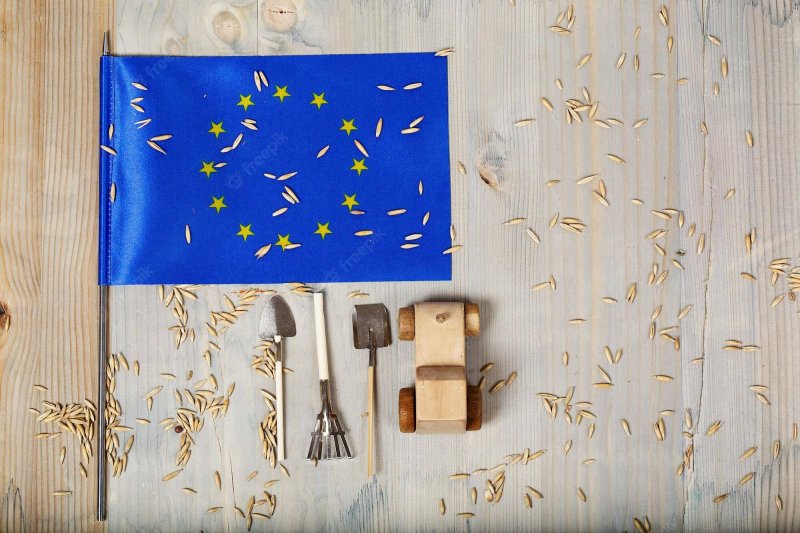
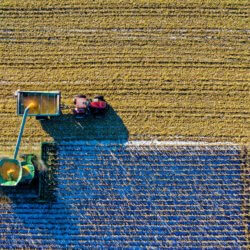
There's tradeoffs for every  change in policy direction. Is the EU on the right track? Credit; Tolikoff Photography via FreePik
There's tradeoffs for every change in policy direction. Is the EU on the right track? Credit; Tolikoff Photography via FreePik

The European Green Deal is the name of the EU’s overarching policy that aims to make the EU climate neutral in 2050. Included under this roadmap are the so-called Farm to Fork (F2F) Strategy, the Biodiversity Strategy, and the Fit for 55 proposals.

Mis- and disinformation are distorting science and public policy. Subscribe to our Daily and Weekly Digests for incisive coverage of ‘disruptive’ innovations in AI, agricultural biotechnology, food, chemicals, nuclear energy, vaccines, and other disruptive innovations.

One of the most debated F2F plans is the ambition to expand the share of the EU’s farmland in organic production from the current 8% to 25% by 2030. There is a considerable gap between existing consumer demand for organic produce and these supply-side ambitions…. The 25% target is not realistic and would potentially result in plummeting prices for organic products. Wisely, in May 2022, the European Parliament voted for an amendment, saying a market-based approach should be followed and different sustainable farming models should be recognized.

The long-term question is how all of this affects the competitive position of EU businesses competing with non-EU businesses not complying with similar rules. Potentially, the EU could introduce additional import levies to create a more level playing field.
On a positive note, we should not forget about the opportunities these gigantic plans for greening can bring. The proposals will strengthen the role of the EU as fertile ground for green innovations.


This is an excerpt. Read the original post here

Related Articles

Infographic: Global regulatory and health research agencies on whether glyphosate causes cancer

Infographic: Global regulatory and health research agencies on whether glyphosate causes cancer

Does glyphosate—the world's most heavily-used herbicide—pose serious harm to humans? Is it carcinogenic? Those issues are of both legal and ...

Most Popular

ChatGPT-Image-Sep-17-2026-12_28_43-PM
Vitamin D, omega-3 fish oil and glucosamine supplements could cause brain damage 
ChatGPT-Image-Mar-10-2026-01_39_01-PM
Viewpoint—“Miracle molecule” debunked: Why acemannan supplements don’t work
ChatGPT-Image-Sep-17-2026-10_17_15-AM
Viewpoint: Why are the less intelligent more likely to be conservative—and smarter people more socially liberal?
Screenshot-2026-08-12-at-11.31.46-AM
AI is helping develop new vaccines
Screenshot-2026-09-10-at-12.20.19-PM
'Jet fuel didn't melt the steel': 9/11 conspiracy theories debunked
Screenshot-2026-09-17-at-10.24.54-AM
Viewpoint: Dubious environmental fears: Why the AI buildout is critical to America’s ecological future
Screenshot 2026-09-11 at 12.39
Child-monitoring apps: When the cure is worse than the harm—and how the technology could be tweaked
Screenshot-2026-09-16-at-12.07.47-PM
The heated debate over trans athletes in the WNBA
ChatGPT-Image-Sep-9-2026-02_48_24-PM
Viewpoint: Trump-RFK Jr. report on “Gender Ideology & Left-wing Ideology’ targets LGBTQ community—and science
ChatGPT-Image-Sep-15-2026-12_15_00-PM
Viewpoint: Women, depression and empathy: Explaining the gender gap in views about child-murderer Lindsay Clancy
glp menu logo outlined

Get news on human & agricultural genetics and biotechnology delivered to your inbox.