It’s the 25th anniversary of dystopian genetics movie Gattaca. Do scientists think it has survived the test of time?

Credit: Netflix
Credit: Netflix

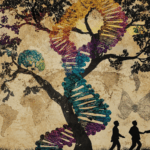
This October marks the 25th anniversary of the film’s release. Ever since, the word Gattaca—made up of the letters that stand for the four nitrogenous bases that make up our genes—has essentially become shorthand for a dystopian future enabled by genetic engineering.

Follow the latest news and policy debates on sustainable agriculture, biomedicine, and other ‘disruptive’ innovations. Subscribe to our newsletter.

And ever since, people have been invoking the name as a warning: Gattaca stands for a future in which genetic technology has created a society where scientists determine your genes, and your genes determine who you are.

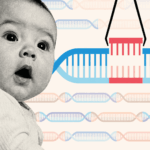
“The only protection society has from a slippery slope that basically leads to a Gattaca-type environment—designer babies, a master race—is public awareness, public scrutiny,” says a doctor during a CNN broadcast in 2000 about designer babies—that is, babies genetically designed to have certain traits.

“I think I think about it more than my patients do because when they ask what we’re testing for in the embryos, I on occasion say ‘It’s not like Gattaca, we can’t test for traits. When we screen embryos broadly, we’re screening for chromosomes,’ ” Paula Brady, a reproductive endocrinologist at Columbia University, said. “I think the movie’s old enough that it’s not a frame of reference.”

Brady also pointed out how the movie exists on the premise that genetics are fate and fails to account for the idea that the manifestation of certain genes can vary significantly from person to person.


This is an excerpt. Read the original post here

{{ reviewsTotal }}{{ options.labels.singularReviewCountLabel }}
{{ reviewsTotal }}{{ options.labels.pluralReviewCountLabel }}
{{ options.labels.newReviewButton }}
{{ userData.canReview.message }}

Related Articles

Infographic: Global regulatory and health research agencies on whether glyphosate causes cancer

Infographic: Global regulatory and health research agencies on whether glyphosate causes cancer

Does glyphosate—the world's most heavily-used herbicide—pose serious harm to humans? Is it carcinogenic? Those issues are of both legal and ...

Most Popular

ChatGPT-Image-Jun-11-2026-01_15_03-PM
Selective Pressure, Selective Silence
ChatGPT Image Jun 3, 2026, 03_54_37 PM
Viewpoint: “Turn on, tune in, drop out”—Kennedy embraces the Timothy Leary psychedelic revolution
Screenshot-2026-06-05-at-1.44.09-PM
Viewpoint: Scientists have scrapped the worst-case climate scenario. Is that proof that climate change is a hoax, as Trump claims?
Screenshot-2026-06-11-at-3.40.06-PM
'Toxin' detox: A gastroenterologist weighs in on $71 billion health trend
Screenshot-2026-06-11-at-4.00.17-PM
Gen Z burned by sunscreen misinformation and tanning myths
Screenshot 2026-05-26 at 10.15
Viewpoint: Double standard—Why does the wellness industry get a free pass while Big Healthcare is treated as morally suspect?
Screenshot-2026-06-05-at-2.12.30-PM
Some plants can poison you. So how did humans figure out what is safe to eat?
ChatGPT-Image-Jun-11-2026-10_34_44-AM-2
Will hi-tech genetic fortune-telling really help parents make healthier children?
Screenshot-2026-06-03-at-3.33.44-PM
Viewpoint: Vaccine deniers are attacking a life-saving Vitamin K shot for newborns that isn’t even a vaccine
Screenshot-2026-06-08-at-1.35.30-PM
Viewpoint: Social media and fake natural health propaganda fuel surge in use of mostly useless supplements
ChatGPT Image Jun 3, 2026, 03_14_43 PM
Viewpoint: How Earthjustice became the poster child for the abuse of special interest activist funding
Credit: ACSH
Viewpoint: Who and what’s to blame for the surge in vaccine-preventable diseases?
ChatGPT-Image-Jun-10-2026-12_57_24-PM
Viewpoint: Why gene-editing babies is moral and certain to happen
glp menu logo outlined

Get news on human & agricultural genetics and biotechnology delivered to your inbox.