Viewpoint: ‘A book is not judged by whether it was written by a typewriter, pen or computer’ — Italian farmer and policy wonk on why Europe needs sensible gene-edited crop regulations

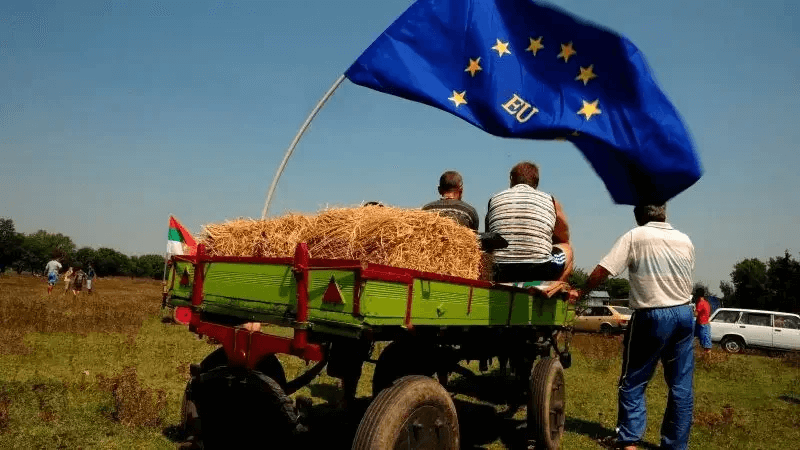
Credit: Vassil Donev via EPA and EFE

Agriculture today is facing very serious challenges for which new tools are needed. The planet’s population is increasing while arable land is decreasing due to overbuilding and climate changes that lead to desertification phenomena, even in Italy.

Climate change also sometimes renders the cultivated varieties inadequate, which were selected when the climate was colder, and changes the biological cycles of plants, pests and diseases. 

Finally, new EU agricultural policies push farmers to increasingly reduce the means of production, in particular crop protection products and fertilizers. To respond to all these challenges, it is necessary to have access to innovative tools, such as new genetic improvement techniques.

Mis- and disinformation are distorting science and public policy. Subscribe to our Daily and Weekly Digests for incisive coverage of ‘disruptive’ innovations in AI, agricultural biotechnology, food, chemicals, nuclear energy, vaccines, and other disruptive innovations.

Some parts of the scientific world are proposing to completely change the approach to the question: that the product is regulated instead of the technique. It certainly seems more sensible: consider whether a plant is safe, useful, stable, rather than considering the method with which it was obtained. After all, a book is not judged by whether it was written with a typewriter, pen or PC, but by its contents.


[Editor’s note: This article has been translated from Italian and edited for clarity.]

This is an excerpt. Read the original post here

Related Articles

Infographic: Global regulatory and health research agencies on whether glyphosate causes cancer

Infographic: Global regulatory and health research agencies on whether glyphosate causes cancer

Does glyphosate—the world's most heavily-used herbicide—pose serious harm to humans? Is it carcinogenic? Those issues are of both legal and ...

Most Popular

ChatGPT-Image-Mar-10-2026-01_39_01-PM
Viewpoint—“Miracle molecule” debunked: Why acemannan supplements don’t work
ChatGPT-Image-Sep-17-2026-12_28_43-PM
Vitamin D, omega-3 fish oil and glucosamine supplements could cause brain damage 
ChatGPT-Image-Sep-17-2026-10_17_15-AM
Viewpoint: Why are the less intelligent more likely to be conservative—and smarter people more socially liberal?
Screenshot-2026-09-10-at-12.20.19-PM
'Jet fuel didn't melt the steel': 9/11 conspiracy theories debunked
Eating Nuts Adds up to Longer Life x
For millions with peanut allergies, Nurtured Nuts’ CRISPR gene-edited peanuts could ease the fear of accidental exposure
ChatGPT-Image-Aug-28-2026-03_33_46-PM
Viewpoint: Bad science—Five bogus Trump administration claims about vaccines and autism
glp menu logo outlined

Get news on human & agricultural genetics and biotechnology delivered to your inbox.