Viewpoint: ‘Now is not the time to make agriculture more difficult’ — Why Europe’s biotech and pesticide food policies do more harm than good

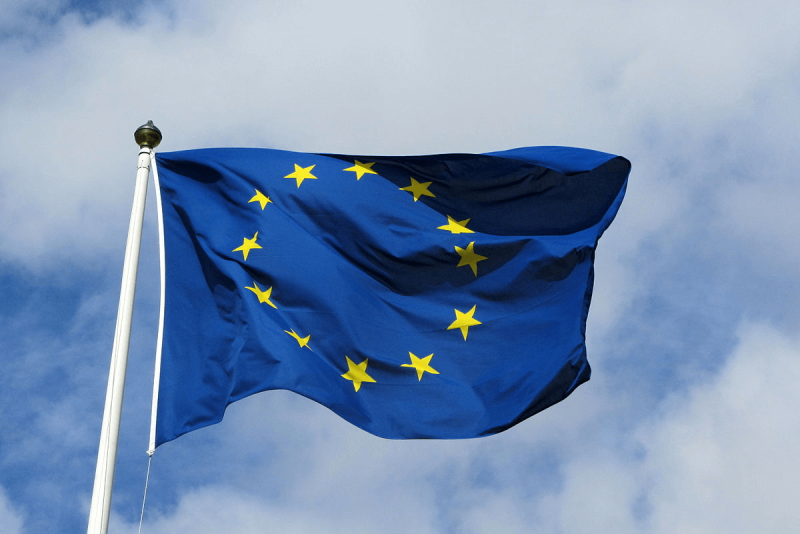
Credit: MPD01605 via Flickr and CC-BY-SA-2.0

Centre right MEPs say they want to postpone the law proposal on pesticide reduction in its current form because it will jeopardise European food production during the war in Ukraine.

Mis- and disinformation are distorting science and public policy. Subscribe to our Daily and Weekly Digests for incisive coverage of ‘disruptive’ innovations in AI, agricultural biotechnology, food, chemicals, nuclear energy, vaccines, and other disruptive innovations.

The debate on the new Sustainable Use of Pesticides (SUR) Regulation, marks the start of negotiations on the file in Parliament.

The EPP Group sounded the starting gun by saying it “firmly opposes” proposals of the Green Group in the European Parliament, which, it says, are “led by pure ideology as opposed to science.”

The draft aims to further increase the Commission proposal to more than 50 per cent reduction in pesticides and more than 80 per cent for the more hazardous pesticides by 2030.
For ECR environment coordinator and shadow rapporteur Alexandr Vondra, this goes too far. Vondra said, “With high prices and multiple crises in Europe and around the world, now is not the time to make agricultural production more difficult.

Vondra added:

We all want to have more space and potential for biodiversity. But, if we want to have areas with more biodiversity and less chemicals on them, then of course that will mean dramatically lower yields for farmers, lower food quality for consumers, and that will have to be compensated for elsewhere.


This is an excerpt. Read the original post here

Related Articles

Infographic: Global regulatory and health research agencies on whether glyphosate causes cancer

Infographic: Global regulatory and health research agencies on whether glyphosate causes cancer

Does glyphosate—the world's most heavily-used herbicide—pose serious harm to humans? Is it carcinogenic? Those issues are of both legal and ...

Most Popular

ChatGPT-Image-Mar-10-2026-01_39_01-PM
Viewpoint—“Miracle molecule” debunked: Why acemannan supplements don’t work
ChatGPT-Image-Sep-17-2026-12_28_43-PM
Vitamin D, omega-3 fish oil and glucosamine supplements could cause brain damage 
ChatGPT-Image-Sep-17-2026-10_17_15-AM
Viewpoint: Why are the less intelligent more likely to be conservative—and smarter people more socially liberal?
Screenshot-2026-09-10-at-12.20.19-PM
'Jet fuel didn't melt the steel': 9/11 conspiracy theories debunked
ChatGPT-Image-Aug-28-2026-03_33_46-PM
Viewpoint: Bad science—Five bogus Trump administration claims about vaccines and autism
Screenshot 2026-07-29 at 10.40
The COVID vaccine turbo cancer scare is back. Science still proves it’s wrong.
Eating Nuts Adds up to Longer Life x
For millions with peanut allergies, Nurtured Nuts’ CRISPR gene-edited peanuts could ease the fear of accidental exposure
glp menu logo outlined

Get news on human & agricultural genetics and biotechnology delivered to your inbox.