98% of the human genome: We are finally beginning to understand the mystery of ‘dark matter’ junk DNA

2% of the human genome: We are finally coming to understand the mystery of ‘dark matter’ junk DA
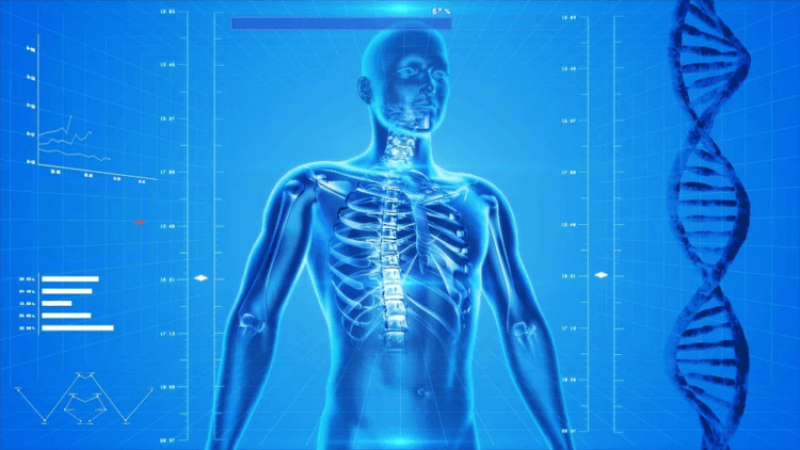
Credit: Pixabay/ PublicDomainPictures

Less than 2% of the three billion letters of the human genome are dedicated to proteins. Only around 20,000 distinct protein-coding genes were found to exist in the long lines of molecules known as base pairs that make up our DNA sequences.

Mis- and disinformation are distorting science and public policy. Subscribe to our Daily and Weekly Digests for incisive coverage of ‘disruptive’ innovations in AI, agricultural biotechnology, food, chemicals, nuclear energy, vaccines, and other disruptive innovations.

The remaining 98% of our DNA became known as dark matter, or the dark genome, a mysterious melee of letters with no obvious meaning or purpose. Initially some geneticists suggested that the dark genome was simply junk DNA or the rubbish bin of human evolution – the remnants of broken genes which had long ceased to be relevant.

For others though, it was always obvious that the dark genome was crucial to our understanding of humanity. “Evolution has absolutely no tolerance for junk,” says Kári Stefánsson, chief executive of the Icelandic company deCODE genetics

Now, two decades on, we have the first inklings of the role of the dark genome. Its primary function appears to be regulating the decoding process, or expression, of protein-making genes. It helps to control how our genes behave in response to all the environmental pressures our bodies face throughout our lives, ranging from diet to stress, pollution, exercise, and how much we sleep, a field known as epigenetics.


This is an excerpt. Read the full article here

Related Articles

Infographic: Global regulatory and health research agencies on whether glyphosate causes cancer

Infographic: Global regulatory and health research agencies on whether glyphosate causes cancer

Does glyphosate—the world's most heavily-used herbicide—pose serious harm to humans? Is it carcinogenic? Those issues are of both legal and ...

Most Popular

ChatGPT-Image-Mar-10-2026-01_39_01-PM
Viewpoint—“Miracle molecule” debunked: Why acemannan supplements don’t work
ChatGPT-Image-Sep-17-2026-12_28_43-PM
Vitamin D, omega-3 fish oil and glucosamine supplements could cause brain damage 
ChatGPT-Image-Sep-17-2026-10_17_15-AM
Viewpoint: Why are the less intelligent more likely to be conservative—and smarter people more socially liberal?
Screenshot-2026-09-10-at-12.20.19-PM
'Jet fuel didn't melt the steel': 9/11 conspiracy theories debunked
ChatGPT-Image-Aug-28-2026-03_33_46-PM
Viewpoint: Bad science—Five bogus Trump administration claims about vaccines and autism
Eating Nuts Adds up to Longer Life x
For millions with peanut allergies, Nurtured Nuts’ CRISPR gene-edited peanuts could ease the fear of accidental exposure
Screenshot 2026-07-29 at 10.40
The COVID vaccine turbo cancer scare is back. Science still proves it’s wrong.
glp menu logo outlined

Get news on human & agricultural genetics and biotechnology delivered to your inbox.