Mexico’s GM corn and glyphosate ban is not just a rejection of science — it’s about a trade pact the country perceives as unfair

screenshot at pm
Credit: Global Giving

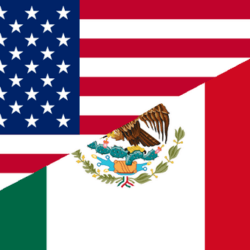
In late 2020, Mexico announced its intention to ban genetically modified corn, prompting the United States to threaten a challenge under the United States-Mexico-Canada Agreement (USMCA). Thus began a stalemate between the two countries that has lasted throughout the Biden administration. The Mexican government backs its decree with the claim that genetically modified (GM) corn poses health risks for Mexican consumers, whereas the United States insists that Mexico has no basis for such claims, and that banning corn imports will cause considerable economic losses while stifling advancements towards food security and climate goals.

Mis- and disinformation are distorting science and public policy. Subscribe to our Daily and Weekly Digests for incisive coverage of ‘disruptive’ innovations in AI, agricultural biotechnology, food, chemicals, nuclear energy, vaccines, and other disruptive innovations.

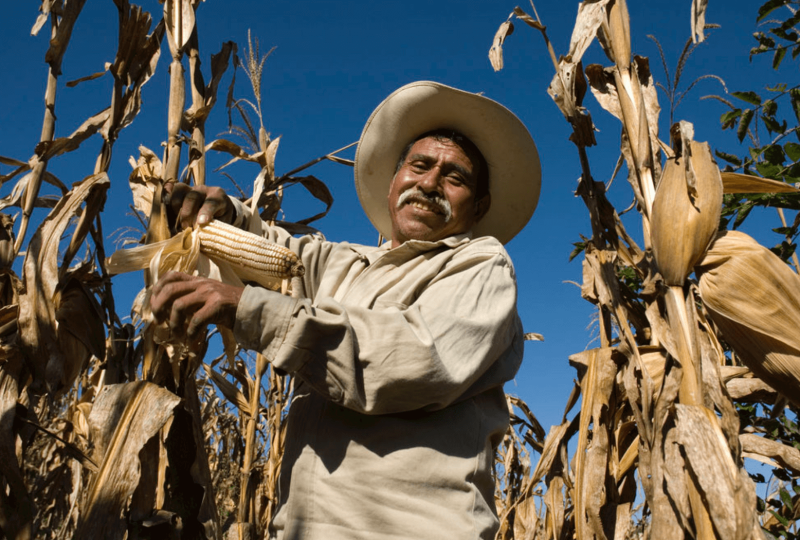
However, while fears over the safety of GMOs are a real—and problematic—motivator for Mexico’s move, it is by no means the only one. Corn has been a source of contention between the United States and Mexico since the implementation of the North American Free Trade Agreement (NAFTA) in 1994, replaced with the USMCA in 2020. The source of this contention: US agricultural subsidies, and their devastating impacts on Mexico’s domestic corn industry.

Mexico’s most recent response seems to be somewhat wrongfully pointing the blame at GMOs, taking advantage of widespread culture skepticism of biotech. However, it has given many signals that the main objective is to increase Mexican food sovereignty by reducing the threat of US competition.


This is an excerpt. Read the original post here

Related Articles

Infographic: Global regulatory and health research agencies on whether glyphosate causes cancer

Infographic: Global regulatory and health research agencies on whether glyphosate causes cancer

Does glyphosate—the world's most heavily-used herbicide—pose serious harm to humans? Is it carcinogenic? Those issues are of both legal and ...

Most Popular

ChatGPT-Image-Mar-10-2026-01_39_01-PM
Viewpoint—“Miracle molecule” debunked: Why acemannan supplements don’t work
ChatGPT-Image-Sep-17-2026-12_28_43-PM
Vitamin D, omega-3 fish oil and glucosamine supplements could cause brain damage 
ChatGPT-Image-Sep-17-2026-10_17_15-AM
Viewpoint: Why are the less intelligent more likely to be conservative—and smarter people more socially liberal?
Screenshot-2026-09-10-at-12.20.19-PM
'Jet fuel didn't melt the steel': 9/11 conspiracy theories debunked
ChatGPT-Image-Aug-28-2026-03_33_46-PM
Viewpoint: Bad science—Five bogus Trump administration claims about vaccines and autism
Screenshot-2026-09-10-at-11.50.46-AM
Did COVID vaccines kill 2,500 service members? RFK Jr. hires an investigator who compares vaccine promoters to Nazi doctors
Screenshot 2026-07-29 at 10.40
The COVID vaccine turbo cancer scare is back. Science still proves it’s wrong.
screenshot at  am
‘Glyphosate is not carcinogenic’: Independent EU chemical oversight agency reaffirms—for the 3rd time in 9 years—that the herbicide is safe-as-used
glp menu logo outlined

Get news on human & agricultural genetics and biotechnology delivered to your inbox.