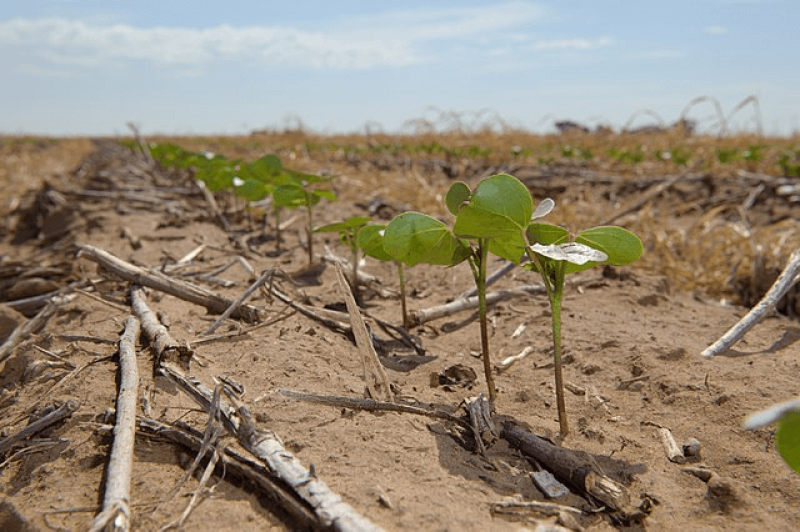
Bioengineer or die: The genetically-engineered toolkit plants need to survive a climate-changed future

Credit: USDA NRCS Texas via CC0-1.0
Climate change is affecting the types of plant varieties we can cultivate, as well as how and where we can do so. A new collection of articles in the open access journal PLOS Biology explores the twin challenges of engineering plants for resilience to climate change and enhancing their carbon-capture potential. PLOS Biology Editors Pamela Ronald & Joanna Clarke provide a summary editorial, and details regarding the other papers may be found below.

To meet the agricultural challenges caused by climate change and a growing population, we need to improve crop production. This Perspective from industry leaders including Catherine Feuillet calls for more and better public–private partnerships to accelerate discoveries in crop research.

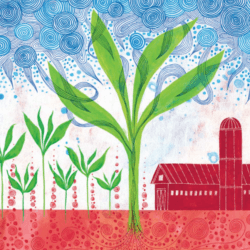
How can we sustainably feed our growing population as the climate changes? This Perspective from Megan Matthews argues that by engineering photosynthesis to increase carbon capture, we can mitigate climate change and increase food production.

As climate change affects weather patterns and soil health, agricultural productivity could decrease substantially. Synthetic biology can be used to enhance climate-resilience in plants and create the next generation of crops, if the public will accept it, according to this article from Jennifer Brophy.

Credit: Sherry Flint-Garcia et. al. via CC0-1.0

The microbiome of cropland soils could be manipulated to accelerate soil carbon sequestration. This Perspective from Noah Fierer suggests how this could be achieved and outlines the general steps required to develop, implement, and validate such microbial-based strategies.
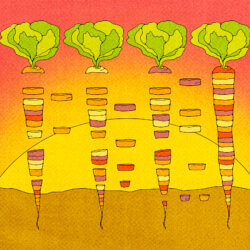
Of all crop species, rice has the most genetic potential for adaptation to climate change, and Genebank accessions have been critical in developing improved stress-tolerant rice varieties. This Community Page from Kenneth McNally highlights new tools and resources from the International Rice Research Institute for accelerating the identification and deployment of genes conferring climate-change resilience.

Mis- and disinformation are distorting science and public policy. Subscribe to our Daily and Weekly Digests for incisive coverage of ‘disruptive’ innovations in AI, agricultural biotechnology, food, chemicals, nuclear energy, vaccines, and other disruptive innovations.

Our basic understanding of carbon cycling in the biosphere remains qualitative and incomplete, precluding our ability to effectively engineer novel solutions to climate change. How can we attempt to engineer the unknown? This Essay from Patrick Shih proposes that the main contributions of plant synthetic biology in addressing climate change will lie not in delivering desired genotypes but in enabling the predictive understanding necessary to design target genotypes in the first place.

6 different approaches to improve sustainability through synthetic biology. Credit: Noah Fierer and Corrinne Walsh via CC-BY-4.0

Cultivated species have reduced genetic diversity relative to their closest wild relatives. Preserving the rich genetic resources that crop wild relatives offer while avoiding detrimental variants and maladaptive genetic contributions is a central challenge for ongoing crop improvement. This Essay from Jeffrey Ross-Ibarra supports the use of traditional varieties as an intermediate between wild relatives and modern cultivars to increase genetic diversity in crops.

As the climate changes, so too will the relationship between humans and the plants we use for food, medicine, shelter, fuel and clothing. What, how and where we cultivate plants will change, as will the potential biotic and abiotic stresses faced by cultivated plants. This collection of articles explores strategies to help plants adapt to a changing climate, including ancient and modern breeding techniques, genome engineering, synthetic biology and microbiome engineering.


Related Articles

Infographic: Global regulatory and health research agencies on whether glyphosate causes cancer

Infographic: Global regulatory and health research agencies on whether glyphosate causes cancer

Does glyphosate—the world's most heavily-used herbicide—pose serious harm to humans? Is it carcinogenic? Those issues are of both legal and ...

Most Popular

ChatGPT-Image-Mar-10-2026-01_39_01-PM
Viewpoint—“Miracle molecule” debunked: Why acemannan supplements don’t work
Diet Soda with Measuring Tape 2
Science challenges anti-soda activists: No, sodas won’t make you fat
Strawberry Clamshell with Warning Sticker
Viewpoint: Activists hype ‘dangerous level’ of pesticide residues in Driscoll berries: Separating health concerns from fear-mongering
Screenshot 2026-10-16 at 5.38
PFAS in Agriculture: Science, Uncertainty, and Risk Communication
Rustic Skillet of Raw Brains
‘Weird food’? Testicle- and brain-eating, supplement-gulping MAHA health food enthusiasts defend their ‘natural’ diets
Government Briefing on Autism Trends
Viewpoint: ‘Statistical murder’: Kennedy’s expanding record of “duplicity and mendacity”
Serene Mature Woman in Abstract Waves
Testosterone’s growing appeal to women: It anecdotally mildly improves sex life, but are there any other potential benefits—or red flags?
Prescription Capsules Scattered on Twenty-Dollar Bills
Facts & Fallacies podcast: America's health care system is broken. A doctor explains how to fix it, Part 2
Screenshot-2026-10-22-at-12.45.14-PM
Pennsylvania tells doctors to prepare for a surge in newborn measles cases—a complication unseen in decades
png_cheese_Raw_milk
100% raw milk, 100% misguided: As MAHA-fueled demand for unpasteurized milk soars, American Academy of Pediatrics renews call for a ban on its sale and distribution
Cancer mRNA Vaccine Concept
'A new frontier': Though scorned by RFK Jr., personalized mRNA vaccine offers hope for many suffering from melanoma skin cancer
Crimson Drips Over the White House
In Trump administration redirect, U.S. steers NIH sharply away from biodefense and pandemic preparedness
glp menu logo outlined

Get news on human & agricultural genetics and biotechnology delivered to your inbox.