Climate-smart genetically-engineered seeds may be Nigeria’s only viable way to confront farming disruptions brought on by climate change

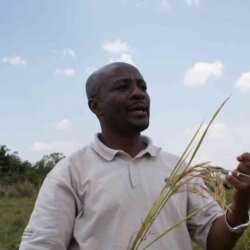
Cowpea and cotton are two success stories for Nigeria's adoption of biotech seeds. Credit: Antoshananarivo via CC-BY-SA-4.0

Climate change has been a major menace in agricultural production especially for Nigeria that is fighting hard to produce enough food for its growing population.

According to a publication by the Open Forum on Agricultural Biotechnology (OFAB) in collaboration with the National Biotechnology Development Agency (NABDA), the primary cause of climate change is the accumulation of greenhouse gases (GHGs) in the atmosphere resulting to increased greenhouse effect.

Mis- and disinformation are distorting science and public policy. Subscribe to our Daily and Weekly Digests for incisive coverage of ‘disruptive’ innovations in AI, agricultural biotechnology, food, chemicals, nuclear energy, vaccines, and other disruptive innovations.

Agricultural biotechnology has proven to be the most dependable solution to mitigate climate change through the use of climate smart crops, energy efficient farming, and reduced synthetic fertilizer usage and carbon sequestration.

…
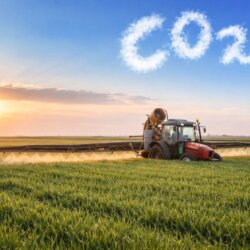
The adoption of Genetically Modified (GM) Cowpea in Nigeria means the mitigation of climate mitigation by reducing the amount of chemical spray.

The conventional cowpea allows about 6 to 8 times spray of chemicals to control the pod borer, but the GM cowpea allows just about 2 to 3 times spray of chemicals. The application of agricultural biotechnology provides an ultimate way to combating the deleterious effects of climate change on agriculture by offering new opportunities for improving stress resistance.


Related Articles

Infographic: Global regulatory and health research agencies on whether glyphosate causes cancer

Infographic: Global regulatory and health research agencies on whether glyphosate causes cancer

Does glyphosate—the world's most heavily-used herbicide—pose serious harm to humans? Is it carcinogenic? Those issues are of both legal and ...

Most Popular

ChatGPT-Image-Mar-10-2026-01_39_01-PM
Viewpoint—“Miracle molecule” debunked: Why acemannan supplements don’t work
Diet Soda with Measuring Tape 2
Science challenges anti-soda activists: No, sodas won’t make you fat
Strawberry Clamshell with Warning Sticker
Viewpoint: Activists hype ‘dangerous level’ of pesticide residues in Driscoll berries: Separating health concerns from fear-mongering
Screenshot 2026-10-16 at 5.38
PFAS in Agriculture: Science, Uncertainty, and Risk Communication
Rustic Skillet of Raw Brains
‘Weird food’? Testicle- and brain-eating, supplement-gulping MAHA health food enthusiasts defend their ‘natural’ diets
Government Briefing on Autism Trends
Viewpoint: ‘Statistical murder’: Kennedy’s expanding record of “duplicity and mendacity”
Prescription Capsules Scattered on Twenty-Dollar Bills
Facts & Fallacies podcast: America's health care system is broken. A doctor explains how to fix it, Part 2
Serene Mature Woman in Abstract Waves
Testosterone’s growing appeal to women: It anecdotally mildly improves sex life, but are there any other potential benefits—or red flags?
png_cheese_Raw_milk
100% raw milk, 100% misguided: As MAHA-fueled demand for unpasteurized milk soars, American Academy of Pediatrics renews call for a ban on its sale and distribution
Crimson Drips Over the White House
In Trump administration redirect, U.S. steers NIH sharply away from biodefense and pandemic preparedness
Silhouettes Beneath the Mosquito Nets
Guinea-Bissau halts widely condemned RFK Jr.-backed vaccine trial that would have withheld life-saving vaccines from thousands of newborns
glp menu logo outlined

Get news on human & agricultural genetics and biotechnology delivered to your inbox.