Organic food is healthier than conventional? Cholesterol is bad for you? Here’s 10 debunked nutrition myths

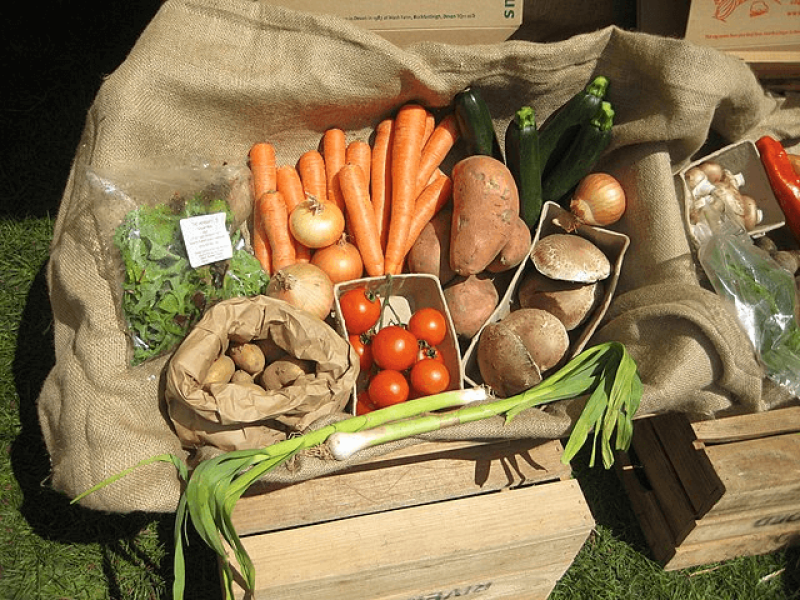
Credit: Andy Roberts via CC-BY-2.0

There are several longstanding nutritional myths many of us have fallen prey to. We are here to tell you: it is healthy to eat carbs, real sugar is better than sweeteners and there are other myths to debunk about what makes a “healthy” diet.

Here are 10 nutrition myths, debunked by experts.

Follow the latest news and policy debates on sustainable agriculture, biomedicine, and other ‘disruptive’ innovations. Subscribe to our newsletter.

Myth 6: Organic produce is healthier

The most important part of a healthy diet it that it is balanced. Daily consumption of fruits and vegetables is essential to achieving a balanced diet, according to the CDC.

Organic produce has fewer synthetic pesticides and fertilizers but is also costs a lot more. Additionally, there are no proven nutritional benefits to eating strictly organic produce.

“There’ve been a number of studies examining the macro- and micronutrient content, but whether organically or conventionally grown, the foods are really similar for vitamins, minerals, and carbohydrates,” says registered dietitian Kathy McManus.

Myth 7: High-cholesterol foods are bad for you

Cholesterol levels have a lot more to do with genetics than diet — eating cholesterol-rich foods such as eggs might not actually impact the levels of cholesterol in your blood.

“Your genetic makeup – not diet – is the driving force behind cholesterol levels” says Dr. Steven Nissen, per the Cleveland Clinic. “The body creates cholesterol in amounts much larger than what you can eat, so avoiding foods that are high in cholesterol won’t affect your blood cholesterol levels very much.”


This is an excerpt. Read the original post here

{{ reviewsTotal }}{{ options.labels.singularReviewCountLabel }}
{{ reviewsTotal }}{{ options.labels.pluralReviewCountLabel }}
{{ options.labels.newReviewButton }}
{{ userData.canReview.message }}

Related Articles

Infographic: Global regulatory and health research agencies on whether glyphosate causes cancer

Infographic: Global regulatory and health research agencies on whether glyphosate causes cancer

Does glyphosate—the world's most heavily-used herbicide—pose serious harm to humans? Is it carcinogenic? Those issues are of both legal and ...

Most Popular

Credit: ACSH
Viewpoint: Who and what’s to blame for the surge in vaccine-preventable diseases?
ChatGPT-Image-May-28-2026-12_56_54-PM
Viewpoint: Vaccines' non-specific effects? The ‘shoddy’ Danish couple whose 'research’ inspires RFK, Jr.’s health delusion
ChatGPT Image Jun 3, 2026, 03_14_43 PM
Viewpoint: How Earthjustice became the poster child for the abuse of special interest activist funding
Organic-Produce
Viewpoint: Why you should ignore organic food advocates’ advice to avoid ‘pesticide soaked’ conventional fruits and vegetables
Screenshot-2026-06-08-at-11.05.51-AM
Can vaping lead to cancer? New ‘association study’ raises questions of “links"
Screenshot-2026-06-05-at-2.12.30-PM
Some plants can poison you. So how did humans figure out what is safe to eat?
Screenshot-2026-06-08-at-10.19.30-AM
‘Natural’ wellness supplements linked to liver injury
Screenshot-2026-06-05-at-3.30.20-PM
Republican lawmakers spread misinformation claiming solar farms permanently destroy potato farms
edb7f6d7-2370-418f-9578-74e29678e35c
Facts & Fallacies Podcast: Nicotine vaping—public health miracle, or risk to children? Professor Cliff Douglas
ChatGPT-Image-Jun-5-2026-01_17_48-PM
GLP-1 weight-loss drugs may reshape our desires and emotions
ChatGPT-Image-Jun-5-2026-02_48_23-PM
Viewpoint: How Dr.TikTok (falsely) convinced me that cortisol was running my health
Screenshot 2025-07-30 at 10.48
Can gene editing eliminate Down syndrome? Scientists have done it in lab-grown cells
glp menu logo outlined

Get news on human & agricultural genetics and biotechnology delivered to your inbox.