


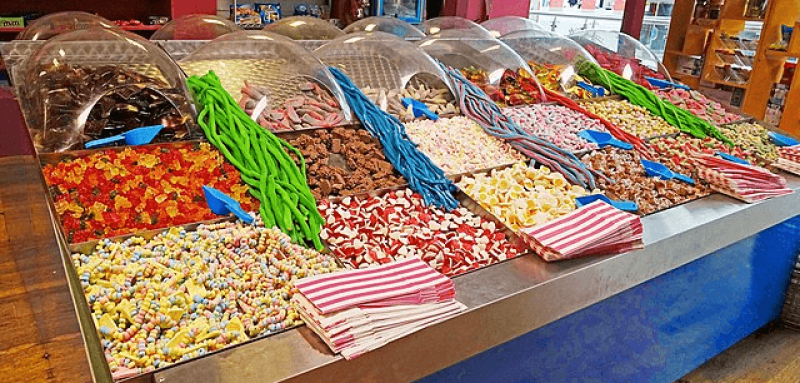

Given the option, most rats will choose sugar instead of cocaine. Their lust for the carbohydrate is so intense that they will go as far as to self-administer electric shocks in their desperation to consume sugar. Rats aren’t alone in this drive. Humans, it seems, do something similar.
An ongoing debate persists over whether these foods are truly addictive. Processed foods might provoke compulsive behaviors that reinforce the need to consume more, but do they really have mood-altering effects, another criterion used to define an addiction?
…
To examine how this affects actual behaviors, researchers developed a measurement to examine the strong pull that highly processed food exerts on humans. In 2009 the Yale Food Addiction Scale emerged. It is used to assess whether a person displays behavioral patterns that would merit fries, shakes and other palatable foods being classified as addictive substances.
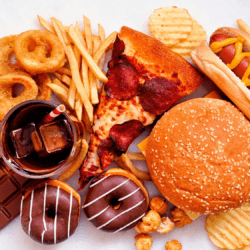



Using this measurement technique, a 2022 meta-analysis suggested that 20 percent of adults are addicted to food. People in this group go out of their way to obtain their favorite foods and often eat to the point of feeling physically ill. They experience withdrawal, fail to quit eating certain foods and continue their consumption pattern despite adverse consequences, such as disruptions to their daily routines and social activities.





















