Plant-to-plant communication: Trees can warn each other of impending danger. Here’s how

pexels photo
Credit: Pexels (Public Domain)

Real trees on our Earth can communicate and warn each other of danger — and a new study explains how.

Injured plants emit certain chemical compounds, which can infiltrate a healthy plant’s inner tissues and activate defenses from within its cells, the new research found. A better understanding of this mechanism could allow scientists and farmers to help fortify plants against insect attacks or drought long before they happen.

Mis- and disinformation are distorting science and public policy. Subscribe to our Daily and Weekly Digests for incisive coverage of ‘disruptive’ innovations in AI, agricultural biotechnology, food, chemicals, nuclear energy, vaccines, and other disruptive innovations.

After signaling increased, the team found the plant increased the production of certain gene expressions for protection. For example, Toyota said the plant may start producing certain proteins to inhibit insects from munching on them, giving the insects diarrhea.

“If the plant has lots of these genes, they are now very strong against the insect herbivory,” [researcher Masatsugu] Toyota said.
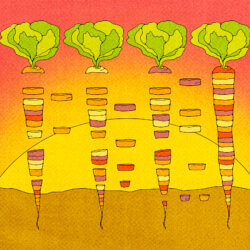
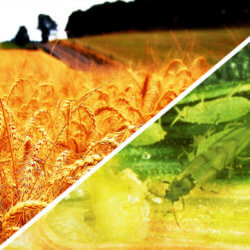
With this new understanding, researchers say plants could be immunized against threats and stressors before they even happen — the equivalent of giving a plant a vaccine. For instance, exposing healthy plants to insect-ridden plants or the associated green leafy volatiles could boost their genetic defenses, so farmers use less pesticides, [plant ecologist André] Kessler said. The revelation could also help make plants more resilient during a drought, signaling the plants to retain more water.

This is an excerpt. Read the original post here

Related Articles

Infographic: Global regulatory and health research agencies on whether glyphosate causes cancer

Infographic: Global regulatory and health research agencies on whether glyphosate causes cancer

Does glyphosate—the world's most heavily-used herbicide—pose serious harm to humans? Is it carcinogenic? Those issues are of both legal and ...

Most Popular

ChatGPT-Image-Mar-10-2026-01_39_01-PM
Viewpoint—“Miracle molecule” debunked: Why acemannan supplements don’t work
Diet Soda with Measuring Tape 2
Science challenges anti-soda activists: No, sodas won’t make you fat
Strawberry Clamshell with Warning Sticker
Viewpoint: Activists hype ‘dangerous level’ of pesticide residues in Driscoll berries: Separating health concerns from fear-mongering
psychedelics ptsd neurosciencnews public
Chaos or at peace with the world: The complex ways psychedelics transform the brain
Rustic Skillet of Raw Brains
‘Weird food’? Testicle- and brain-eating, supplement-gulping MAHA health food enthusiasts defend their ‘natural’ diets
Silhouettes Beneath the Mosquito Nets
Guinea-Bissau halts widely condemned RFK Jr.-backed vaccine trial that would have withheld life-saving vaccines from thousands of newborns
Screenshot 2026-10-16 at 5.38
PFAS in Agriculture: Science, Uncertainty, and Risk Communication
Justice Under Prideful Skies
Supreme Court blocks Trump’s order halting transgender surgeries and hormone treatments for inmates
png_cheese_Raw_milk
100% raw milk, 100% misguided: As MAHA-fueled demand for unpasteurized milk soars, American Academy of Pediatrics renews call for a ban on its sale and distribution
Government Briefing on Autism Trends
Viewpoint: ‘Statistical murder’: Kennedy’s expanding record of “duplicity and mendacity”
glp menu logo outlined

Get news on human & agricultural genetics and biotechnology delivered to your inbox.