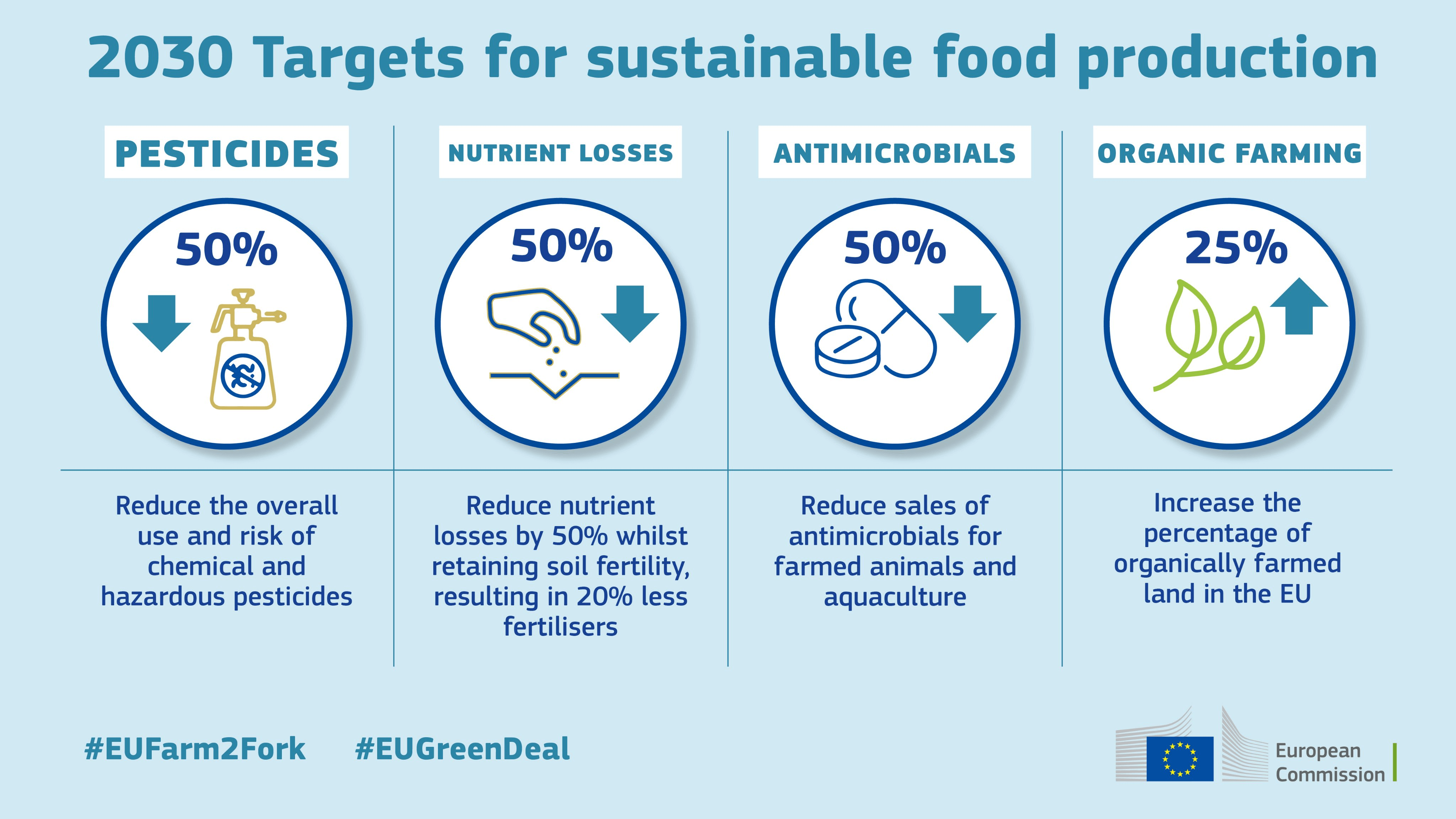
2023 was a horrible year for the European environmental activist community. On pesticides, their StopGlyphosate campaign failed to resonate with regulators as the European Commission reauthorised the herbicide for another 10 years. The Sustainable Use Regulation (SUR) was rejected in the European Parliament, throwing the EU’s Farm2Fork ambitions into disarray. On seed breeding, the EU is moving forward with plans to no longer regulate new genomic techniques (NGTs) as GMOs, allowing for easier market access of gene-edited plants while preventing EU Member States from banning NGTs.
How did these long-running NGO campaigns fail so badly so quickly? This is especially astonishing given how these non-profits have been growing so rapidly in terms of number, influence, funding and public impact. Until 2023, they were defining the narrative and shaping the policy process in Brussels while industry and researchers were on the defensive. Having developed into such a professional lobbying force, the Brussels NGOs should not have made so many serious mistakes. Here are a few of them.
Zero compromise
Environmental activists are idealists, true believers, fighting to save the planet. While this passion and zeal powers them to push hard in their campaigns, they also cannot consider compromising on their ideals (something the policy process aims to achieve). NGOs campaigning for zero pesticides are not going to accept a conditional, phased reduction of crop protection tools. Their intransigence in cases where viable alternatives don’t exist (like the case of glyphosate) meant their position has less impact.
With glyphosate, if the NGOs had drafted an alternative policy of phasing out the use of the herbicide over 10 years, with clear milestones where glyphosate reduction followed innovations and other weed control practices, it would be likely the European Council would have taken that route. Instead, they simply said “No” and stood firm while farmers expressed how they had no viable alternatives.
Unrealistic expectations
The European Parliament Sustainable Use Regulation (SUR) Rapporteur, Green MEP Sarah Weiner, acknowledged that the pesticide reduction objectives were very ambitious. The organic farmer had called for an 80 per cent reduction in pesticides but then told journalists at a press conference that “I know that as a Green, I have to aim high because whatever we propose will only be weakened or shot down.” The point here is that activists aiming for an 80% reduction are mobilizing opponents to take action. If Weiner had started with a 40% reduction, she could have got, perhaps, 25 per cent. As long as activists have unrealistic expectations, they will end up going home with nothing.
Slurs and insults
During a European Parliament hearing on glyphosate, on 18 September 2023, hosted by two Green Party MEPs, I was surprised to hear the head scientist from Pesticide Action Network accuse the European Chemical Agency (ECHA) of lying. At that event, there was a clear conflict between the regulators and the activist groups (who brought in their own scientists with little respect for the regulatory science done at ECHA and the European Food Safety Authority (EFSA). Belligerence against those determining policies you are campaigning on is basic mistake most first-year lobbying students would have known. During the previous EU glyphosate reauthorisation process in 2017, the enemy was industry and activists, with their Monsanto Papers campaign, were able to keep regulators supporting glyphosate on the backfoot.



A disunited front
The activist community has excelled at speaking with a single voice on policy debates. But on NGTs, there has never been a clear, unified position. A decade ago, there was a robust debate on whether certain plant breeding techniques could fall under the organic farming regime. The radical, anti-industry fringe forced the “NGTs are GMO 2.0” position through and that rift has never healed. So as the Commission started to consider relaxing restrictions on NGTs to offset the potential negative yields from Farm2Fork restrictions, the NGOs campaigning against pesticides sat on their hands. Factions within the organic food lobby are getting even more pronounced with the growth of the agroecological movement.
Narrow networks
I sometimes wonder whether these activist groups, with their wide networks, were relying too much on too few influential individuals. When Frans Timmermans left Brussels to pursue a career in Dutch politics, the activists lost an important advocate. An IFOAM newsletter touted him as their man in Brussels when he was given the Green Deal dossier. Timmermans had alienated enough people to encourage a retaliatory reaction against his legacy. According to election results, even the Dutch weren’t that happy to have him back.
I was quite surprised with the failures of the activist campaigns. The environmental movement needs to assess their tactics and consider whether their ideology has pushed up against consumer resistance. With European elections coming up in the spring, the anticipated shift to the (extreme) right might have as much to do with certain Green Party policies as with reactions to specific events.
There are lessons here to be learned.
David Zaruk is the editor of Firebreak, and also writes under the pen-name The Risk Monger. David is a retired professor, environmental-health risk analyst, science communicator, promoter of evidence-based policy and philosophical theorist on activists and the media. Find David on X @Zaruk