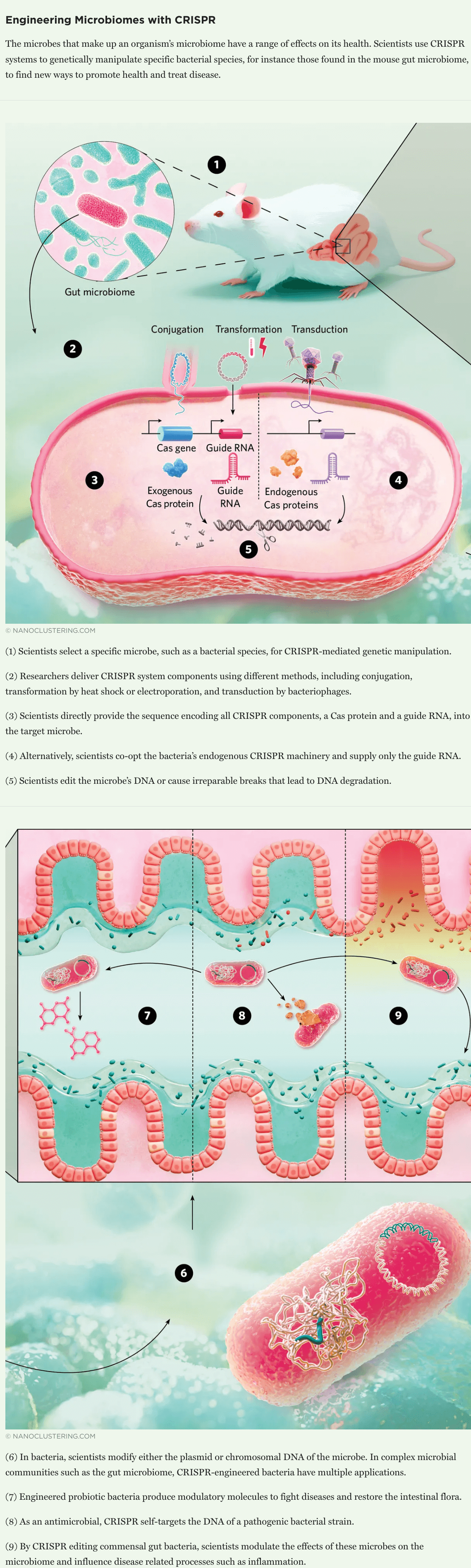
Infographic: Could gut bacteria help us diagnose and treat diseases? This is on the horizon thanks to CRISPR gene editing

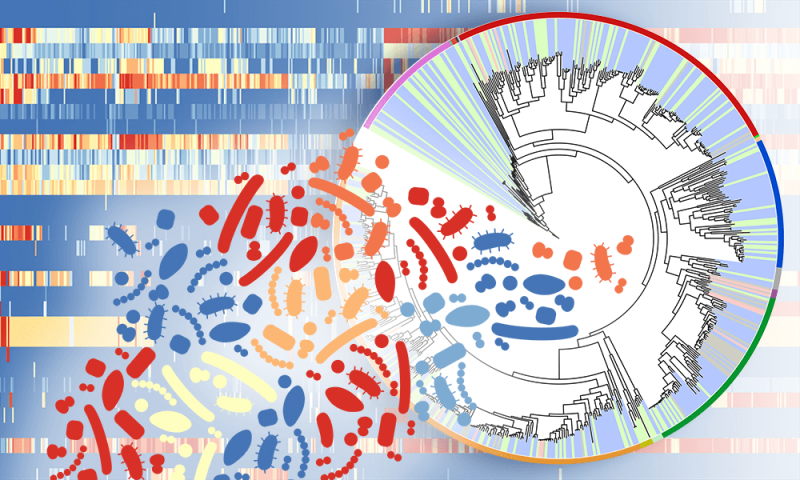
skin microbiome x final
Credit: EMBL

Humans are never alone. Even in a room devoid of other people, they are always in the company of billions of microscopic beings. By residing in and on the human body, these bacteria, fungi, and viruses form complex ecosystems that exert powerful effects on a range of health conditions, such as antitumor responsesgut inflammatory diseases, and mental health.

With such striking effects, many scientists see modulating the microbiomes as a promising avenue for improving human health and wellbeing. In recent years, researchers have shown that tweaking the genomes of resident microorganisms offers new ways to treat and diagnose diseases.

Mis- and disinformation are distorting science and public policy. Subscribe to our Daily and Weekly Digests for incisive coverage of ‘disruptive’ innovations in AI, agricultural biotechnology, food, chemicals, nuclear energy, vaccines, and other disruptive innovations.

CRISPR-based approaches can help expand the genetic toolkit microbiome engineers have available, bringing them a step closer to understanding the roles and interactions between microbial community members and how these shape their communities and influence the organisms’ hosting them. “Every single function that a community of microbes outputs is encoded within their DNA. So, the DNA is really the blueprint that tells us what these microbes can do within that microbiome,” Cress said. “If we really hope to change the function of what these microbiomes can do, we really need to be manipulating that blueprint, and CRISPR is the tool that allows us to do that very precisely and very efficiently.”
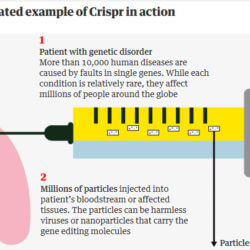
screencapture the scientist engineering the microbiome crispr leads the way

This is an excerpt. Read the original post here

Related Articles

Infographic: Global regulatory and health research agencies on whether glyphosate causes cancer

Infographic: Global regulatory and health research agencies on whether glyphosate causes cancer

Does glyphosate—the world's most heavily-used herbicide—pose serious harm to humans? Is it carcinogenic? Those issues are of both legal and ...

Most Popular

ChatGPT-Image-Sep-17-2026-12_28_43-PM
Vitamin D, omega-3 fish oil and glucosamine supplements could cause brain damage 
ChatGPT-Image-Mar-10-2026-01_39_01-PM
Viewpoint—“Miracle molecule” debunked: Why acemannan supplements don’t work
ChatGPT-Image-Sep-17-2026-10_17_15-AM
Viewpoint: Why are the less intelligent more likely to be conservative—and smarter people more socially liberal?
Screenshot-2026-08-12-at-11.31.46-AM
AI is helping develop new vaccines
Screenshot-2026-09-10-at-12.20.19-PM
'Jet fuel didn't melt the steel': 9/11 conspiracy theories debunked
Screenshot-2026-09-17-at-10.24.54-AM
Viewpoint: Dubious environmental fears: Why the AI buildout is critical to America’s ecological future
Screenshot-2026-09-16-at-12.07.47-PM
The heated debate over trans athletes in the WNBA
ChatGPT-Image-Sep-9-2026-02_48_24-PM
Viewpoint: Trump-RFK Jr. report on “Gender Ideology & Left-wing Ideology’ targets LGBTQ community—and science
Screenshot 2026-09-11 at 12.39
Child-monitoring apps: When the cure is worse than the harm—and how the technology could be tweaked
Screenshot-2026-09-10-at-11.50.46-AM
Did COVID vaccines kill 2,500 service members? RFK Jr. hires an investigator who compares vaccine promoters to Nazi doctors
glp menu logo outlined

Get news on human & agricultural genetics and biotechnology delivered to your inbox.