

GLP podcast: Golden Rice delayed in the Philippines; Ozempic could reshape our food supply? Exposing myths about cancer risk

Listen to GLP Science Facts & Fallacies on iTunes, Spotify, Podbean and YouTube Podcasts. Or add the RSS feed to your favorite podcast app. Join our GLP Daily Digest to get these stories and more delivered to your inbox.

v facts and fallacies cameron and liza default featured image outlined
A court in the Philippines has blocked the release of vitamin-A fortified Golden Rice in the country. What happens next? Could the weight-loss drugs Ozempic and Wegovy reshape America’s eating habits? The International Agency for Research on Cancer (IARC) misleads the public about cancer risk; let’s correct some of the critical misconceptions the agency has encouraged in recent years.

Podcast:

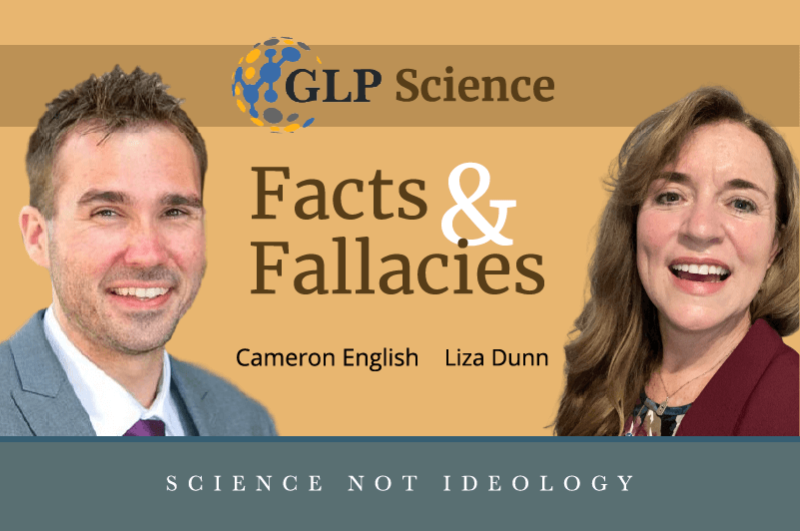
Join hosts Dr. Liza Dunn and GLP contributor Cameron English on episode 264 of Science Facts and Fallacies as they break down these latest news stories:

After roughly two decades of research and regulatory review, the Philippines finally approved genetically engineered Golden Rice for public consumption. An appeals court unexpectedly blocked the approval last week, however, finding that the government didn’t appropriately assess the risk that Golden Rice posed to the environment. The government is expected to appeal the decision, and some experts anticipate that Golden Rice will eventually be approved. But for the time being, millions of children’s afflicted by vitamin A deficiency will be denied access to a biofortified food that could save their lives.

The blockbuster weight-loss drugs Wegovy and Ozempic may do much more than help Americans rapidly shed their unwanted fat. Because the medicines help regulate blood sugar and reduce appetite, it’s possible that consumer demand for calorie-dense snack foods could decline in the US, incentivizing food companies to offer more nutritious options in grocery stores and restaurants. Have we finally developed effective treatments that can help us rein in the obesity epidemic?
Follow the latest news and policy debates on sustainable agriculture, biomedicine, and other ‘disruptive’ innovations. Subscribe to our newsletter.

The public is deeply confused about the cancer risk associated with many foods and consumer products. This is due in large part to the work of IARC and other public health agencies that issue confusing, and sometimes outright deceptive, hazard assessments that mislead people about generally harmless substances, including aloe vera and even coffee. Let’s clear up the confusion and address some of the most common misconceptions about chemicals and cancer.

Dr. Liza Dunn is a medical toxicologist and the medical affairs lead at Bayer Crop Science. Follow her on X @DrLizaMD

Cameron J. English is the director of bio-sciences at the American Council on Science and Health. Visit his website and follow him on X @camjenglish
{{ reviewsTotal }}{{ options.labels.singularReviewCountLabel }}
{{ reviewsTotal }}{{ options.labels.pluralReviewCountLabel }}
{{ options.labels.newReviewButton }}
{{ userData.canReview.message }}
Infographic: Global regulatory and health research agencies on whether glyphosate causes cancer

Infographic: Global regulatory and health research agencies on whether glyphosate causes cancer

Does glyphosate—the world's most heavily-used herbicide—pose serious harm to humans? Is it carcinogenic? Those issues are of both legal and ...
glp menu logo outlined

Get news on human & agricultural genetics and biotechnology delivered to your inbox.








