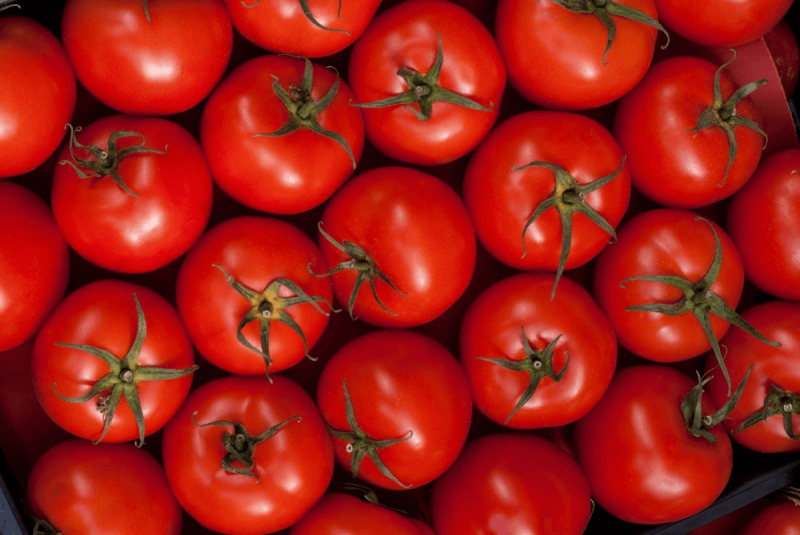
Bayer tackles vitamin D deficiency with gene-edited tomatoes, enhanced lettuce greens

Credit: Pxhere
Credit: Pxhere

Stressing its belief in the power of cutting-edge technology to address pervasive nutrition problems, the agribusiness giant [Bayer] has revealed details of a new open innovation platform, plus new collaborations to develop new tomato varieties to tackle vitamin D deficiency and make genome edited leafy greens.

As part of its strategic open innovation approach Bayer has advanced two initiatives with external partners to bring forward genome editing in vegetables. Bayer and South Korean biotech company G+FLAS have entered into an agreement to collaborate on developing genome-edited tomato varieties that are nutritionally enhanced with vitamin D3. Vitamin D deficiency is a widespread issue globally, particularly in countries where winter sunlight is limited. It affects an estimated billion people worldwide and can lead to a range of health issues including rickets.

Mis- and disinformation are distorting science and public policy. Subscribe to our Daily and Weekly Digests for incisive coverage of ‘disruptive’ innovations in AI, agricultural biotechnology, food, chemicals, nuclear energy, vaccines, and other disruptive innovations.

​ The importance of Bayer’s strategic open innovation approach has already been proven, now most recently through a new licensing agreement with US-based pioneering food and agtech startup Pairwise. Bayer has acquired a license from Pairwise that grants rights to work with and commercialise Pairwise’s genome edited mustard greens. These are a mix of colourful leafy greens with a unique, fresh flavour and higher nutrition compared to lettuce, achieved through genome editing. They were the first gene-edited food introduced to the North American market​.

This is an excerpt. Read the original post here

Related Articles

Infographic: Global regulatory and health research agencies on whether glyphosate causes cancer

Infographic: Global regulatory and health research agencies on whether glyphosate causes cancer

Does glyphosate—the world's most heavily-used herbicide—pose serious harm to humans? Is it carcinogenic? Those issues are of both legal and ...

Most Popular

ChatGPT-Image-Mar-10-2026-01_39_01-PM
Viewpoint—“Miracle molecule” debunked: Why acemannan supplements don’t work
Diet Soda with Measuring Tape 2
Science challenges anti-soda activists: No, sodas won’t make you fat
psychedelics ptsd neurosciencnews public
Chaos or at peace with the world: The complex ways psychedelics transform the brain
Strawberry Clamshell with Warning Sticker
Viewpoint: Activists hype ‘dangerous level’ of pesticide residues in Driscoll berries: Separating health concerns from fear-mongering
Rustic Skillet of Raw Brains
‘Weird food’? Testicle- and brain-eating, supplement-gulping MAHA health food enthusiasts defend their ‘natural’ diets
Silhouettes Beneath the Mosquito Nets
Guinea-Bissau halts widely condemned RFK Jr.-backed vaccine trial that would have withheld life-saving vaccines from thousands of newborns
Screenshot 2026-10-16 at 5.38
PFAS in Agriculture: Science, Uncertainty, and Risk Communication
png_cheese_Raw_milk
100% raw milk, 100% misguided: As MAHA-fueled demand for unpasteurized milk soars, American Academy of Pediatrics renews call for a ban on its sale and distribution
Government Briefing on Autism Trends
Viewpoint: ‘Statistical murder’: Kennedy’s expanding record of “duplicity and mendacity”
Vibrant Social Media Confetti Explosion
Health misinformation minefield: Countering online deluge by copying its style
Justice Under Prideful Skies
Supreme Court blocks Trump’s order halting transgender surgeries and hormone treatments for inmates
glp menu logo outlined

Get news on human & agricultural genetics and biotechnology delivered to your inbox.