Pup science: ‘Peering deep into the bodies and minds of cats and dogs to understand why we, and they, bond’

Credit: PickPik
Credit: PickPik

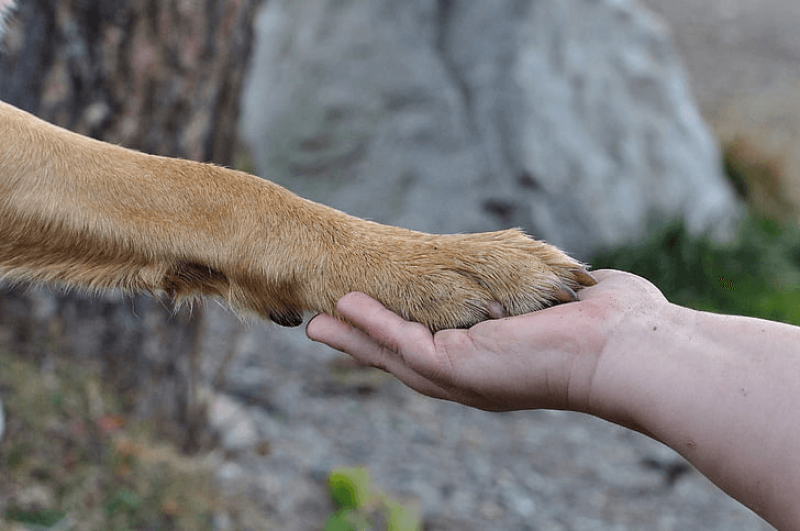
Scientists around the world are peering deep into the bodies and minds of cats and dogs, hoping to learn more about how they wriggled their way into our lives, how they experience the world and how to keep them living in it longer. It’s a shift that some experts say is long overdue.

“We have a responsibility to deeply understand these animals if we’re going to live with them,” Dr. [Monique Udell, who directs the human-animal interaction lab at Oregon State University] said. “We also have this great potential to learn a lot about them and a lot about ourselves in the process.”

Mis- and disinformation are distorting science and public policy. Subscribe to our Daily and Weekly Digests for incisive coverage of ‘disruptive’ innovations in AI, agricultural biotechnology, food, chemicals, nuclear energy, vaccines, and other disruptive innovations.

Dogs and cats share many of our genes, of course, but they also share our homes. “They’re not a mouse living in a cage,” said Dr. Kelly Diehl, a veterinarian who directs science communications for the Morris Animal Foundation, which is conducting the golden retriever study.

That makes pets good models for studying environmental and lifestyle influences on health. For instance, one team of golden retriever researchers is looking for links between pollutants and lymphoma. Early results from the Dog Aging Project suggest that dogs with active lifestyles are at decreased risk for “doggy dementia” and that living in a social environment, such as a home that includes other pets, may be good for canine health.


This is an excerpt. Read the original pos here

Related Articles

Infographic: Global regulatory and health research agencies on whether glyphosate causes cancer

Infographic: Global regulatory and health research agencies on whether glyphosate causes cancer

Does glyphosate—the world's most heavily-used herbicide—pose serious harm to humans? Is it carcinogenic? Those issues are of both legal and ...

Most Popular

ChatGPT-Image-Mar-10-2026-01_39_01-PM
Viewpoint—“Miracle molecule” debunked: Why acemannan supplements don’t work
Strawberry Clamshell with Warning Sticker
Viewpoint: Activists hype ‘dangerous level’ of pesticide residues in Driscoll berries: Separating health concerns from fear-mongering
Nutrition and Supplements Infinity Collage
Drugs and supplements can extend life and five other longevity myths
Generations United for Immunization
Police raid Guinea-Bissau offices of RFK Jr.-backed vaccine researchers, seize hepatitis B doses
Rustic Skillet of Raw Brains
‘Weird food’? Testicle- and brain-eating, supplement-gulping MAHA health food enthusiasts defend their ‘natural’ diets
png_cheese_Raw_milk
100% raw milk, 100% misguided: As MAHA-fueled demand for unpasteurized milk soars, American Academy of Pediatrics renews call for a ban on its sale and distribution
Screenshot-2026-10-20-at-2.25.49-PM
RFK Jr.’s anti-vaccine obsession and fear of MAHA derailed bird flu containment plan
Magnifying Glass Highlights NIH Logo
Latest Trump administration proposal to change NIH research grant system draws scientists’ ire
Screenshot 2026-10-16 at 5.38
PFAS in Agriculture: Science, Uncertainty, and Risk Communication
Golden-GM-Emblem-with-EU-Stars
As Europe inches forward in its embrace of gene-edited crops, hopes abound that opposition to GMOs might fade
psychedelics ptsd neurosciencnews public
Chaos or at peace with the world: The complex ways psychedelics transform the brain
Government Briefing on Autism Trends
Viewpoint: ‘Statistical murder’: Kennedy’s expanding record of “duplicity and mendacity”
Screenshot-2026-10-19-at-12.04.51-PM
Victims of their own success: As memories of killer diseases fade, vaccine rejectionism soars
glp menu logo outlined

Get news on human & agricultural genetics and biotechnology delivered to your inbox.