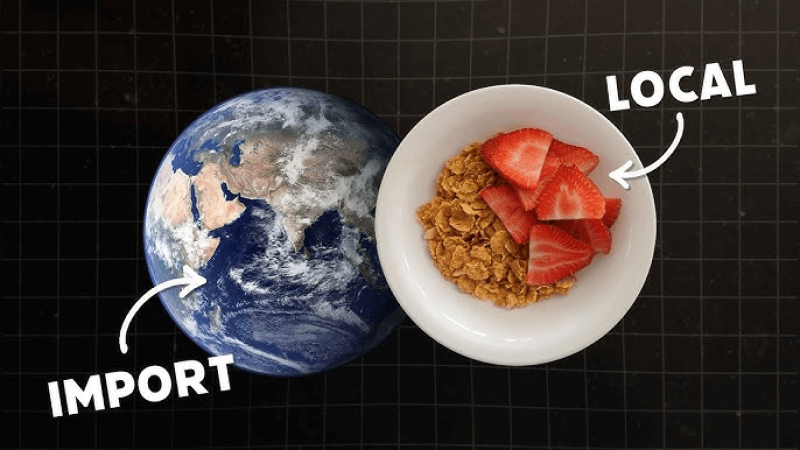
What’s better for the environment: Organic foods from far away or local conventional foods?

Credit: PUREFOOD/YouTube

Consumers buy food, whether organic or not, without paying attention to its origin and therefore without knowing the cost to the environment that this decision entails. There are numerous examples of commonly consumed foods from other countries with a high environmental footprint. The popular New Zealand kiwis are a paradigmatic example.

Mis- and disinformation are distorting science and public policy. Subscribe to our Daily and Weekly Digests for incisive coverage of ‘disruptive’ innovations in AI, agricultural biotechnology, food, chemicals, nuclear energy, vaccines, and other disruptive innovations.

“Paradoxically, the problem worsens, continues the expert, when these organic foods that are not locally sourced reach their destination. Beyond the environmental cost of long-distance transport, what often goes unnoticed is what happens when the product arrives at the destination country. A very long journey begins, during which the food travels between different logistics centers, often far apart: this is where the energy expenditure skyrockets,” explains [Gloria Isabel Guzmán, director of the Master’s program in Organic Agriculture and Livestock at the Pablo de Olavide University and the International University of Andalusia].

…
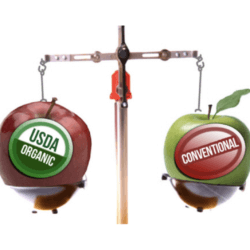
Does this mean that consumers of eco products should stop consuming those from long distances if their goal is to be sustainable? According to Guzmán, the answer is complex. “Although there is often an attempt to establish a dichotomy, especially in the media, there is no clear answer, it is not black or white.”


This is an excerpt. Read the original post here

Related Articles

Infographic: Global regulatory and health research agencies on whether glyphosate causes cancer

Infographic: Global regulatory and health research agencies on whether glyphosate causes cancer

Does glyphosate—the world's most heavily-used herbicide—pose serious harm to humans? Is it carcinogenic? Those issues are of both legal and ...

Most Popular

ChatGPT-Image-Mar-10-2026-01_39_01-PM
Viewpoint—“Miracle molecule” debunked: Why acemannan supplements don’t work
Screenshot-2026-10-08-at-10.41.33-AM
Viewpoint: Wellness patches: Most vitamin supplements are useless and sometimes even dangerous, but this craze is even worse
Screenshot-2026-10-14-at-11.45.36-AM
Viewpoint: RFK Jr.’s stacked FDA advisory council endorses multicancer screening test from ethically- questionable company that would increase false positives and waste billions of dollars
newborn baby spit up gerd
Vaccine-preventable congenital infections are a leading driver of autism
Screenshot-2026-10-15-at-12.13.33-PM
Ahead of the midterms, Meta has paid at least 29 anti-LGBTQ accounts for their posts
Misinformation-Shatters-the-Clockwork-Mind
Viewpoint: The price Americans pay for science denialism
Pride and Patriotism in the Breeze
Retreat from identity labels: Does the sharply declining number of young teens identifying as gay and bisexual reflect an ideological shift?
Screenshot-2026-10-14-at-12.47.21-PM
Viewpoint: Are these Trump-conservative GOP doctor-politicians violating their medical oath?
Open-Menthol-Cigarette-Pack
How the tobacco industry conspired with conservative activists to kill the Biden administration’s proposed ban on menthol cigarettes 
glp menu logo outlined

Get news on human & agricultural genetics and biotechnology delivered to your inbox.