
What should we be doing that we’re not? First, we should be making investments, not cuts, in pandemic preparedness. The U.S. has withdrawn funding from the World Health Organization. Working alongside local and national health authorities, the WHO is a key “first responder,” identifying and containing infectious-disease outbreaks before they spread. The U.S. contributed approximately $120 million in 2023-2024 on responding to acute health emergencies and to preventing pandemics and epidemics, so our step back leaves a massive hole in resources designed to tackle emergencies and stop outbreaks from spreading.
Also, recent funding cuts or freezes to agencies like USAID are already having ramifications on the ground, with public-health professionals concerned that progress in tackling diseases like tuberculosis will stall or regress. With less funding, pandemic preparations also slow down, and the U.S. ceasing negotiations for the Pandemic Agreement and amendments to the International Health Regulations makes matters worse.
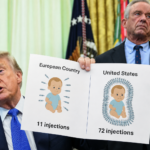
[T]he ideologies and track records of some of those with the greatest responsibility for protecting public health in the U.S. would suggest that, if a new pandemic were to emerge in the next few years, the response would be hands-off…. Robert F. Kennedy, Jr. has lobbied against and opposed COVID-19 vaccines. The Trump Administration is said to be re-evaluating nearly $600 million funding for H5N1 mRNA vaccine research. Dr. Jay Bhattacharya, the likely new head of the National Institutes of Health (NIH), held views on COVID-19 that deviated from the scientific mainstream, which included arguing in favor of a herd-immunity approach that thousands of scientists argued would have led to preventable deaths….
[W]e should be helping to rebuild public confidence and trust in science—which declined during the pandemic—not continuing to undermine it….Can the new administration restore trust in science and health organizations? If not, will people trust public-health guidance during future health emergencies, including infectious disease outbreaks?




If the answer isn’t “yes” by the time the next pandemic arrives, the risks will be grave.