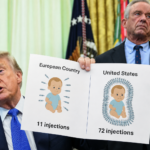
Is it time to eliminate public funding for scientific research? It’s an undeniably radical proposal, but one supporters say is necessary to solve the “existential crisis” facing science. US taxpayers invest over $160 billion annually on research, yet much of this funding is wasted on questionable or even fraudulent studies—expensive Parkinson’s studies based on fabricated data or dubious epidemiology linking fluoride exposure to neurological damage. According to one estimate, research that fails to replicate costs at least $28 billion in the U.S. alone. The problem is only magnified by the rank politicization of science, which has seen millions of taxpayer dollars funneled into partisan projects that actually suppress evidence officials deem unhelpful to their ideological goals.
As a result, it’s time for a paradigm shift to an entirely privatized funding model, proponents argue. They highlight historical precedents, noting that before World War II, private entities almost exclusively funded science, driving innovation without taxpayer burden. Businesses, nonprofits, and even individuals can fund high-quality research, as evidenced by National Science Foundation data showing private sector R&D growth, which swamps the public sector’s contribution anyway.
Proponents of the status quo aren’t convinced, however. While they concede the reality of the replication crisis and the politicization of science–vigorously objecting to the Trump Administration’s evolving restrictions on research–they emphasize that public support yields critical scientific advancements that benefit society. Taxpayer funding ensures equitable access to knowledge production, they add, which private actors might prioritize for personal gain over societal good. In the end, relying on private support warps science into a profit-seeking venture rather than a discovery-driven process.
Bottom line: the debate pits concerns about rampant fraud and bias against the societal benefits of public investment in science.
Join GLP founder Jon Entine and longtime contributors Liza Dunn and Cameron English as they discuss the risks and benefits of eliminating public science funding. Follow this link or listen to the conversation below:
Come join us at 11 am CST on Friday!https://t.co/Cxgt8UuSPt




— Liza Dunn (@DrLizaMD) April 23, 2025
Dr. Liza Dunn is a medical toxicologist and the medical affairs lead at Bayer Crop Science. Follow her on X @DrLizaMD
Jon Entine, founder and executive director of the Genetic Literacy Project, is an Emmy-winning investigative TV News producer and author of seven books, including three on genetics. Please follow him on X at @JonEntine
Cameron J. English is the director of bio-sciences at the American Council on Science and Health. Visit his website and follow him on X @camjenglish