The Dirt
Seed oils have become the most recent food to avoid. Despite being a staple in every diet and having significant economic value to the U.S., RFK and others have raised concerns about their effects in the news and on social media. Are these concerns valid? We spoke with industry and nutrition experts to find out more about this controversial topic.
Is the oil in your salad dressing damaging your health? Seed oils…you find them everywhere: in your kitchen cupboard, in restaurants, and in most processed foods. Otherwise known as vegetable oils such as soybeans, sunflower, canola, and peanut, these hapless seeds have been touted as a contributor to all diseases.
“[The industry is] poisoning us with seed oils – these industrial fats are one of the greatest drivers of chronic disease in America today.”
– Robert F. Kennedy, Jr., U.S. Secretary of Health & Human Services
Are Oilseeds to Blame?
Robert F. Kennedy, Jr., U.S. Secretary of Health & Human Services, has rightly pointed to American health as an issue. Over 50% of U.S. population has either cancer, heart disease, diabetes, obesity, or Alzheimer’s Disease.
Are seed oils to blame or is it the lack of nutrition in American diets? RFK would like everyone using beef tallow as their cooking oil of choice because it has less omega-6 fatty acids. However, these types of fats — saturated fats — have concerns of their own. For instance, too many saturated fats can raise both the good (HDL) and bad (LDL) cholesterol, including triglycerides that increase the size and amount of LDL cholesterol. They actually stick to the LDL as it is moving through your blood, leading to plaque in the arteries.
So which fat should we choose? Let’s unpack this a bit by looking at the larger picture…
The global population consumes a lot of fat: 218 million metric tons of vegetable oils each year. If you were to put it all in a train, it would go 83% around the Earth’s circumference. As for Americans, we consume 100 pounds of oil per person…per year.

China, India, and the United States are the top three consumers. The United States and China eat mostly soybean and canola oil while Indian diets are more varied with coconut, safflower, and mustard oil.
If the United States were to replace all seed oils with beef tallow or lard, there is only about 5% of supply to fulfill the oil demand. Used for thousands of years, are we just now finding out that seed oils should be avoided?
The State of Health in the U.S.

RFK is right: so many Americans are unhealthy.
When you look at pictures from the 1950s, there were very few obese people! Today, it’s a very different story.
According to the American Heart Association’s 2025 Statistics Update:
- Nearly 47% of U.S. adults have high blood pressure.
- More than 72% of U.S. adults have unhealthy weight (currently defined as body mass index ≥25, with nearly 42% having obesity (currently defined as body mass index ≥30).
- More than half of U.S. adults (57%) have type 2 diabetes or prediabetes.
- As many as 40% of U.S. children have an unhealthy weight (currently defined as body mass index ≥85th percentile), with 20% having obesity (currently defined as ≥95th percentile).
- Nearly 60% of adults globally have an unhealthy weight.
The news is dismal for sure. But can we really blame cooking oils? What about lifestyle? Healthy habits such as sleep, exercise, and a good diet are critical. How many people really eat five to seven servings of fruits and vegetables a day? Do people eat close to their ideal body weight in grams of protein? Is sugar prevalent? There are so many factors involved in one’s health.
What do medical organizations say?
Many medical organizations are in complete support of cooking with seed oils. American Heart Association, World Health Organization, Harvard Health, Academy of Nutrition and Dietetics, National Heart, Lung, and Blood Institute, Institute of Medicine, International Food Information Council all discuss the importance of diets which include both omega-6 and omega-3s. All of these organizations, plus more, cite research including randomized controlled trials, peer reviewed studies, and observational studies supporting seed oils. Why?
Seed oils offer a wide range of nutritional benefits:
Healthy Fats: Seed oils contain healthy unsaturated fats such as omega 3 and omega 6 fatty acids improve HDL (good) cholesterol, reduce inflammation, promote cell growth, and support brain health. Our bodies need these essential fatty acids since we can’t make organically them. Therefore, these fats must be brought in via our diet. Specific healthy fats include:
- Monounsaturated fats help lower triglycerides in the blood and lower the risk of heart disease.
- Polyunsaturated fats lower LDL (bad) cholesterol, triglycerides, raise HDL (good) cholesterol and help control blood sugar.
Protein: Seed oils are a source of plant-based protein. Plant protein is associated with anti-inflammatory, antibacterial, anti-diabetic, and antioxidant properties. Though, to be fair, they are incomplete because they are missing one or more of the 22 amino acids which are the building blocks of protein.
Fiber: Oilseeds contribute to dietary fiber intake, which aids in digestion, promotes satiety, and helps regulate blood sugar levels.
Vitamins and Minerals: Many seed oils contain various vitamins and minerals, including vitamin E, an antioxidant that protects cells from damage, and magnesium, which plays a role in many bodily functions.
Bioactive Compounds: Seed oils are a source of bioactive compounds, such as lignans and phenolic compounds, which have antioxidant and anti-inflammatory properties and may offer protection against chronic diseases as well as arthritis and rheumatism. Depending upon the seed, they contain DHEA, a pre-hormone compound that converts to testosterone and estrogen.
Milk Production: Using soybeans as an animal feed impacts the milk quality by improving the fatty acid compensation and amount in the milk.
On the other hand…
Despite their nutritional benefits and help with cooking, Dr. Mark Hyman, Dr. Casey Means, and Robert F. Kennedy have all taken a stand against seed oils. Their reasons are many:
- They have a high level of Omega 6s, causing an imbalance in one’s diet
- Processing includes two chemicals: hexane and deodorizers to pull the oil out of the oil and meal.
- They’re grown with glyphosate, and it follows the oilseed path from the crop to the oil and ultimately to the food
- While cooking, the oil’s oxidation process causes free radicals in your body, thus causing cancer.
Let’s take these apart…
Omega 3 & Omega 6 Fatty Acids
The omega-3 to omega-6 fatty acid balance is important as we need both healthy fats. The excess of omega 6s is not the problem; the issue is the balance of omega 3s in one’s diet. Most Americans just don’t eat enough foods with omega 3s.
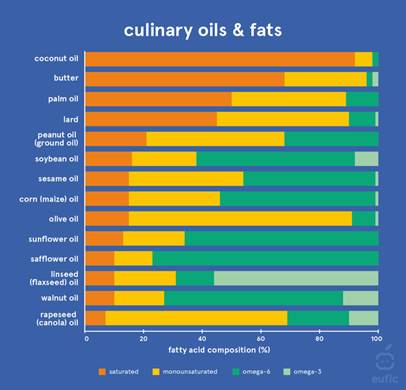
Omega 6s provide energy for you to manage your daily activities. They help regulate inflammation, support cognitive health, promote skin and hair health, support white blood cell production, and produce certain hormones such as progesterone and testosterone.


Your body doesn’t make these so you need to find them in eggs, soybean, corn, sunflower oils, almonds, cashews, and walnuts.
Omega 3s are polyunsaturated fats that your body cannot make on its own. You need it for your heart health, mental health, infant brain development, and to fight inflammation. By not eating enough, you might be more susceptible to chronic diseases.
A diet with oily fish, walnuts, soybeans, chia seeds, eggs, meat, spinach, and brussels sprouts will keep your omega 3s going strong.
You need both omega 3s and 6s. We spoke to David Dzisiak, COO at Botaneco Inc. He has worked with medical and health opinion leaders on the health impacts of various fatty acid profiles, including omega 3s, omega 6s, omega 9s, saturated fats and trans fats. He stressed the following:
“There is no medical evidence that eating soybean oil or canola oil is a causative for heart health. There is no smoking gun anywhere that says our 6:3 ratio is an issue. So it is important to eat omega 6s and omega 3s as part of a healthy diet.”
– David Dzisiak, COO at Botaneco
Seed Oil Processing Concerns
This is the chemical process that, understandably, makes headlines – and raises eyebrows.
Hexane
Yes, hexane is a solvent derived from petroleum. But no, it’s not hanging around in your cooking oil. Hexane is used to separate the oil from the seed. The hexane evaporates off and there is virtually no residual amount left in the oil. The European Union states that a residual level of 1 mg/kg is safe. However, since the FDA does not regulate hexane residue, there is suspicion that some remains.
We asked Willie Loh, Ph.D., Board Member at Yield10 Bioscience, Inc, what he thought about hexane residue:
“After the processing, there is no hexane left. A soybean seed contains 19-20% oil. To extract the oil, the seeds are pressed, flooded with hexane, and the oil washes out. Then the temperature is raised to evaporate all hexane.”
Deodorizing
This process sounds scary, as well. Deodorizing simply uses steam and high pressure to strip away volatile compounds that cause off-smells and reduce shelf life. No bleach. No mystery chemicals. Just water vapor doing a cleanup job, so your oil doesn’t go rancid a week after you open it. This is steam and water. That is it.
Glyphosate
Glyphosate is used in GMO crops to keep the weeds at bay and not harm the crop. There can be a trace amount of residue because the plant absorbs a scant amount glyphosate after spraying. The EPA has established tolerances for glyphosates in many different commodities, including
oilseeds.
In addition, since humans do not have a shikimic pathway, as plants do, our bodies flush these trace amounts through via our urine. For more information, we wrote about glyphosate in March 2025.
Dr. Loh explained that, “there is no detectible glyphosate left in a soybean seed, long before you start to process. Glyphosate is a molecule that doesn’t last very long. Some gets to the plant and some to the soil but it degrades rather quickly.”
It’s All About the Smoke Point
Walk down the grocery aisle and you will see multiple cooking oils. Everything from avocado oil to soybean oil to flaxseed oil. But which one to choose for scrambled eggs or a salmon dinner?
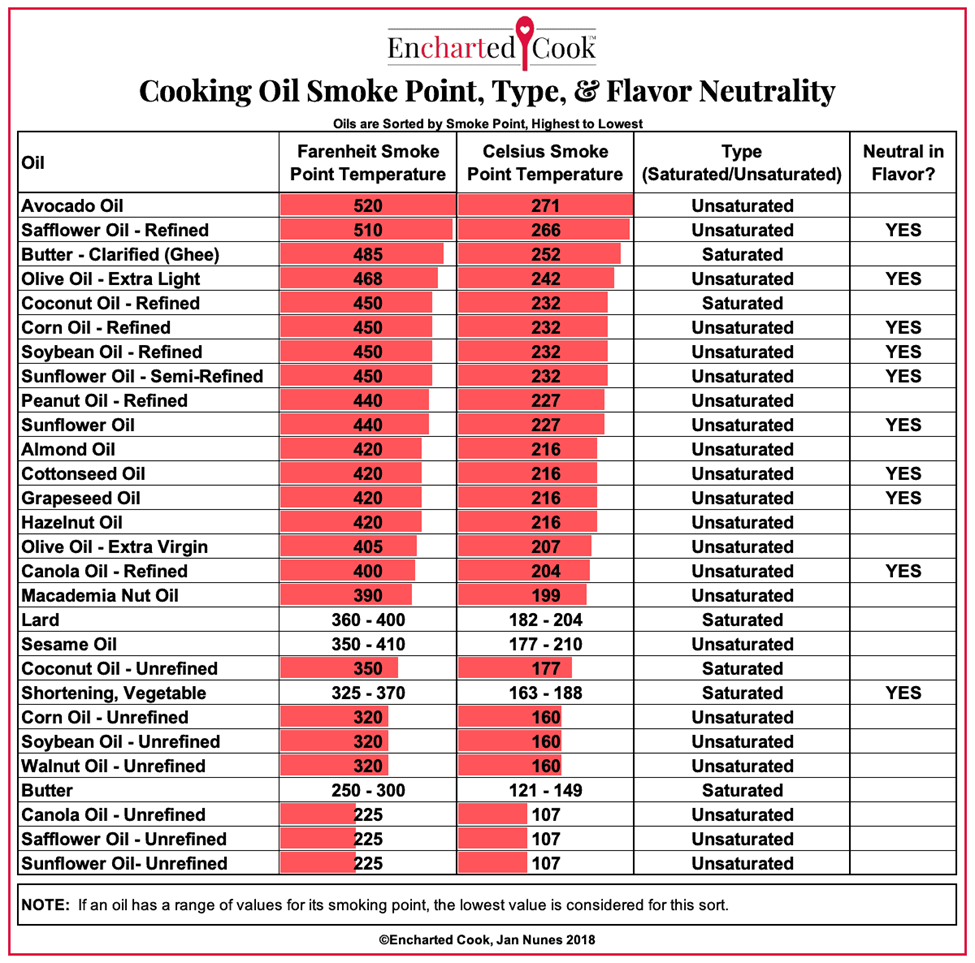
Using the wrong oil for the wrong temperature can produce a smoke point which shows the oil is too hot and is approaching dangerous thermal stages. Basically producing free radicals such as carcinogenic compounds like aldehydes and peroxides. This also leads to rancid oil – which certainly does not add to the flavor of your meal.
David Dzisiak explained further, “If you bought a box of cheerios or a bag of chips and it smells rancid, this means the oil has oxidized. Air causes them to react and so they break down and turn into fatty acid and different molecules. So when you deep-fry, that oil oxidizes and produces free radicals. That would happen with any oil.”
In this case, RFK, might be correct. However, you can control the smoke point by using the correct oil for cooking. Here is a chart of which oils to use for which temperatures.
A Well-Rounded Perspective on Health
Blaming seed oils for America’s health crisis is an oversimplification. Dr. Loh put this in perspective:
“We are not cave dwellers or hunter & gatherers anymore, walking 15 miles a day with no access to refined sugar and video games. We eat far more oxidized fats than we have for hundreds of years because of convenience foods. Everything in a super aisle has a shelf life of 6 months to a year. It is all about convenience.”
Human health is shaped by countless factors—diet, exercise, sleep, stress, genetics, and access to care, to name a few. And we need to keep each of these factors in balance to live a long, healthy life.
The Bottom Line
Science doesn’t support a sweeping villainization of seed oils. Instead, it reminds us that health is holistic. Human health is based on many many factors and while it is simple to boil it down to a seed oil, that is not realistic. So before ditching canola oil for beef tallow, talk to your doctor, zoom out, and consider the big picture: what you eat every day matters more than the oil you sauté with.
A version of this article was originally posted at Dirt to Dinner and is reposted here with permission. Dirt to Dinner can be found on X @Dirt_To_Dinner