‘It’s like a throbbing pain that becomes quite unbearable’: What happens in the brain when a limb is amputated

Screenshot 2025-09-03 at 12.46.14 PM

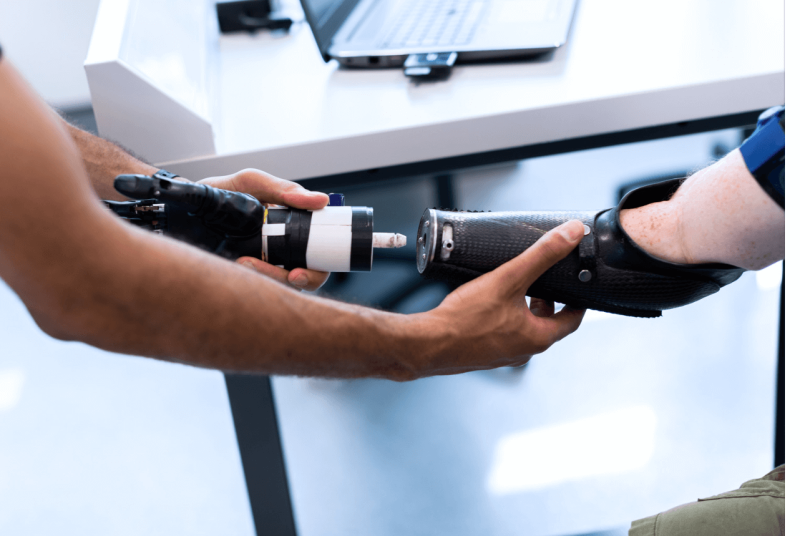
Like many people who’ve had an amputation, [Emily] Wheldon often feels pain in her phantom arm and hand.

“It’s like a throbbing pain that becomes quite unbearable at times,” she says. Sometimes it feels like her wrist is sore, other times it’s like her fingers are cramping.

Previous research suggested phantom limb pain was the result of changes in the brain’s body map. But the new study suggests it occurs because the map hasn’t changed, and the brain is still expecting signals from the missing body part.

Follow the latest news and policy debates on sustainable agriculture, biomedicine, and other ‘disruptive’ innovations. Subscribe to our newsletter.

“Imagine if you had a nerve that was receiving a highly detailed information for the body and suddenly now it’s receiving some strange, atypical input,” [said Hunter Schone, a postdoctoral associate at the University of Pittsburgh who started the project as a doctoral student at University College London]. “How would the brain deal with something like this?”

It might interpret the input as pain, he says.

If so, he says, the solution may lie in finding a new home for a nerve ending, rather than just leaving it exposed.


This is an excerpt. Read the original post here

{{ reviewsTotal }}{{ options.labels.singularReviewCountLabel }}
{{ reviewsTotal }}{{ options.labels.pluralReviewCountLabel }}
{{ options.labels.newReviewButton }}
{{ userData.canReview.message }}

Related Articles

Infographic: Global regulatory and health research agencies on whether glyphosate causes cancer

Infographic: Global regulatory and health research agencies on whether glyphosate causes cancer

Does glyphosate—the world's most heavily-used herbicide—pose serious harm to humans? Is it carcinogenic? Those issues are of both legal and ...

Most Popular

Picture1
The FDA couldn’t find a vaccine safety crisis, so it buried its own research
ChatGPT-Image-Apr-16-2026-02_56_53-PM
Financial incentives, over diagnosis, and weak oversight: Autism claims are driving up Medicare costs
Screenshot-2026-04-22-at-12.21.32-PM
Viewpoint: Why the retracted Monsanto glyphosate study doesn’t change the science—the world’s most popular herbicide is safe 
Screenshot-2026-05-08-at-11.55.47-AM
Anti-vax activists falsely blame COVID vaccines for the rising U.S. cancer rate among younger people.
Screenshot-2026-05-19-at-11.23.34-AM
West-originated vaccine disinformation sparks murders of health care workers across Africa
ChatGPT-Image-May-7-2026-12_32_36-PM
Viewpoint: The state of U.S. vaccine policy? Dismal nationally, but some states are stepping up.
ChatGPT-Image-May-12-2026-11_27_01-AM-2
AI likely to improve health care, research shows—but not for blacks and ethnic minorities
modi visit sikkim
Viewpoint: Indian PM wants farmers to switch to 50% organic. It would take at least 10 years, likely won’t work, and isn’t more sustainable
Screenshot-2026-04-13-at-1.39.26-PM
Viewpoint: ‘Safer for children?’ Stonyfield yogurt under fire for deceptive organic marketing
placebo
Viewpoint — Alternative medicine and the placebo effect: Selling a reassuring illusion of health
glp menu logo outlined

Get news on human & agricultural genetics and biotechnology delivered to your inbox.